



Why the College Football TV Schedule Matters for Global Broadcasters
In 2026, college football is much more than just a game played on Saturdays. For large sports companies and global broadcasters, the college football tv schedule is a very big deal. It’s about showing exciting games to fans all over the world. This helps them reach more people and make more money from selling the rights to broadcast these games. Think about how many fans want to watch their favorite teams, no matter where they live.
Planning how to show these games globally is tricky business.

Broadcasters need to figure out which TV channels and streaming services will carry games like the Ole Miss football schedule or the Texas Tech football schedule to different countries. This includes important decisions for networks like the Rangers Sports Network or how a West TV Network schedule will ensure everyone can watch. It’s all about reaching the most viewers on the right platforms.
But showing these games globally isn’t easy. Big companies face many tough parts. It costs a lot of money to make high-quality live broadcasts and send them around the world. They also have to make sure there are no delays, often called "latency," so fans see the action live as it happens. Plus, working with many different companies for cameras, sound, and internet services can get very complex. These challenges can make it hard to keep broadcast quality high across diverse regions.
This article will help large businesses and sports groups understand how to get these complex broadcasts right in 2026. We’ll show you how to manage the college football tv schedule so that your broadcasts are top-notch and reach fans everywhere, without all the usual headaches. Learn More About TPT Global and see how expert teams make broadcasting easy. You can also Explore Our Broadcast Services to understand how we bring sports to life.
Market Overview: College Football Viewership and Platform Shifts
Getting these complex broadcasts right means understanding how people watch college football today. The way fans tune in has changed a lot.
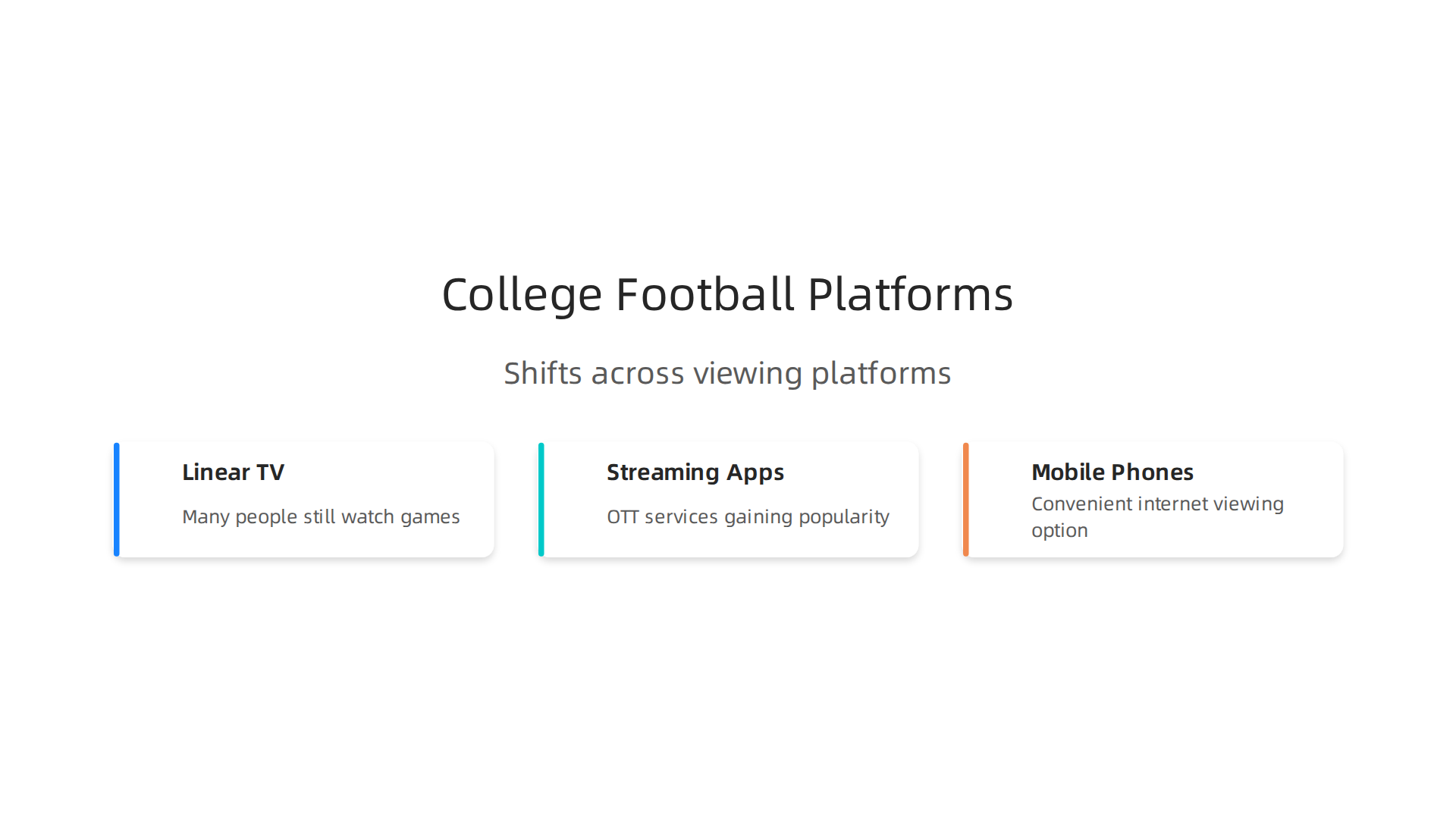
In 2026, many people still watch games on regular TV, which we call linear TV. But more and more, fans are also watching games on the internet, using services like streaming apps (OTT, or "over-the-top" services) and even their mobile phones. This shift means that how and when games are scheduled, known as the college football tv schedule, directly impacts how many people around the world can see them.
College football viewership keeps growing. For example, recent information shows that college football viewership went up by 10.5% in early parts of the season compared to the year before, with games getting 2.1 million viewers on average. Also, TV viewing reached a 12-month high in January 2026, thanks in part to college football playoffs TV viewing hits 12-month high in January 2026. This shows how popular the sport is. Many of these viewers are watching through streaming services that work with traditional TV, so it’s a mix of old and new ways to watch 2026 College Football TV Ratings.
The timing of the college football tv schedule is super important for reaching fans everywhere. Imagine a game played in the afternoon in the United States. For fans in Europe or Asia, that might be late at night or early morning. Broadcasters must think about these time zones to make sure games are shown at good times for different parts of the world. This helps them get the most viewers.
Important games, called "marquee matchups," also play a big part in how broadcasters plan. Everyone wants to watch the biggest games, like if there’s a huge rivalry game on the Ole Miss football schedule or a key game on the Texas Tech football schedule. These games often bring in millions of viewers, and many of them broke records in the 2026 season 2026 College Football TV Playbook for Marketers.
Also, each college sports conference has its own priorities. They often sell the rights to broadcast their games as a big package. This means that a network like the Rangers Sports Network or a West TV Network schedule will have certain games they must show based on these deals. How these conferences bundle their broadcast rights affects how many games are shown and where How College Football Conferences’ Bundling of Broadcast Rights. Big companies like ESPN have long-term deals for games, even the College Football Playoff itself Current College Sports Television Contracts. All these things together shape how college football reaches its global audience. Understanding these shifts helps large sports organizations make smart choices about how they share games with fans worldwide.
Broadcast Rights Landscape and Scheduling Impacts
Understanding college football viewership is just one part of the puzzle. The other big piece is how the games get to your screen in the first place. This involves big deals around broadcast rights. In 2026, college sports conferences sell the rights to show their games. This means that a conference like the SEC or Big Ten doesn’t just let anyone broadcast their games. They make agreements with big TV networks and streaming services. These deals are huge, often worth billions of dollars, making college football a major player in sports media rights Consolidated College Football Media Rights Analysis.
These conferences usually put all the games from their member schools into one big package. They then sell this package to a network. This is like a joint effort where all the schools work together to get the best deal How College Football Conferences’ Bundling of Broadcast Rights. For example, the Big Ten has a media rights deal that is worth over $8 billion for seven years, which is one of the biggest in college sports history Top conferences lead changing college sports dynamics.
How these rights are sold directly affects the college football tv schedule. When a major network buys the rights, they get to decide which games to show on their main channels. But what about fans outside the main viewing area, or even in other countries? This is where sublicensing comes in. The big network might sell parts of their rights to other, smaller networks or international partners. This helps games reach a global audience, for example, making sure fans can watch games from the Ole Miss football schedule or the Texas Tech football schedule no matter where they live.
When these deals are made, there are important rules that shape the broadcast schedule.
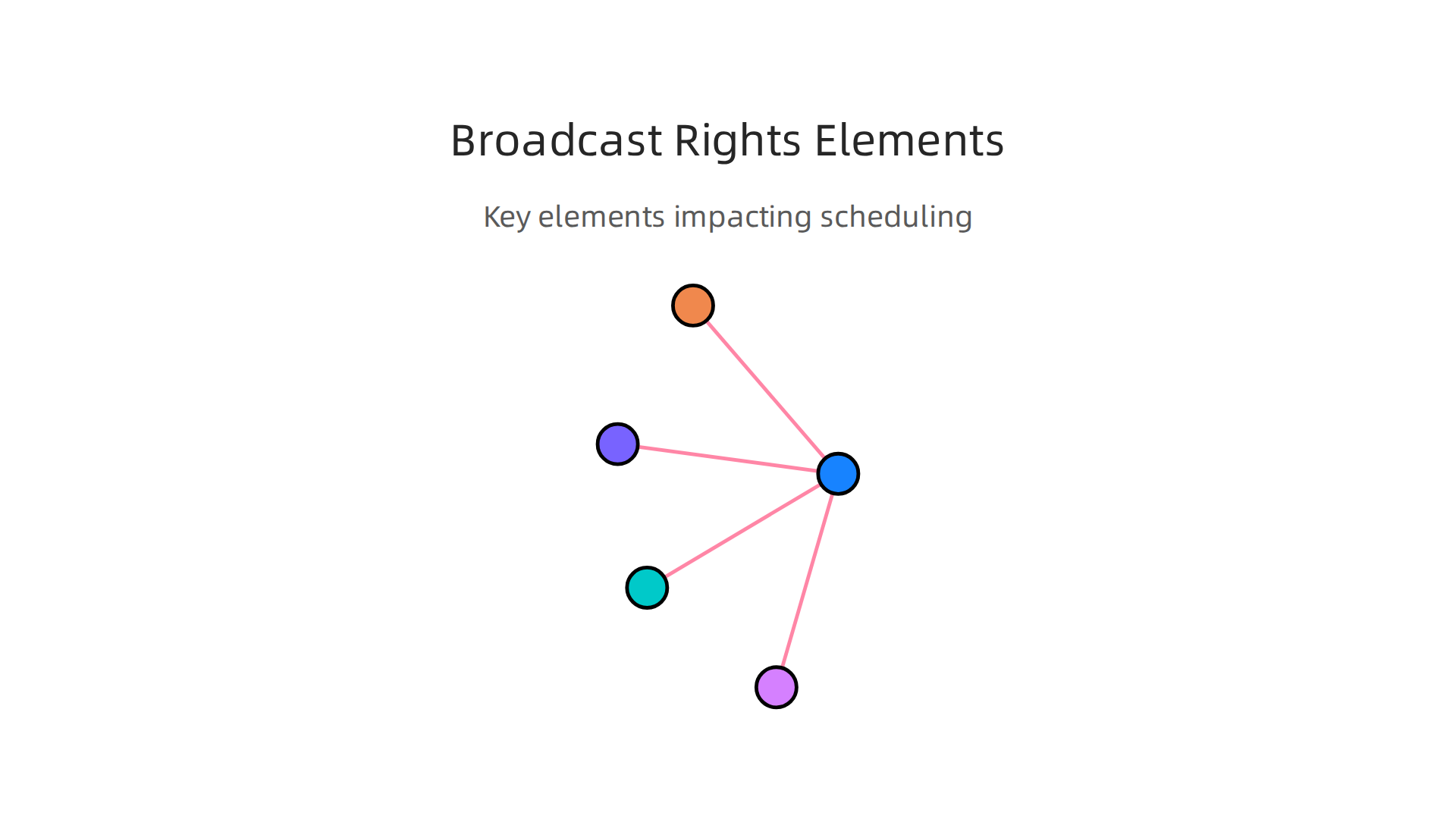
One is about "exclusive windows." This means certain games can only be shown by one network at a specific time. Another is "digital carve-outs," which allow other services to stream games online. These rules influence how many games are available and where, making the global college football tv schedule complex. Sometimes, there are also "blackout policies" which stop a game from being shown in certain areas, usually to encourage people to go to the stadium. These policies can affect both local and international viewers.
For broadcasters wanting to reach fans worldwide, it’s a careful dance. They need to understand the big deals, special rules, and how to get around blackouts to truly share college football with everyone. This challenge also offers a chance to build strong fan connections, making every game count. To manage these complex tasks and deliver top-notch broadcasts, big sports groups often look for expert help.
TransGroup is a full-service agency that helps with media rights, stadium ads, live broadcast production, and event planning. Learn more about their services on their official site: Trans Group.
Getting it all right means having a clear plan for your global sports broadcasts. It’s about more than just showing a game; it’s about making sure the quality is high and that fans everywhere can tune in. This is key for sports organizations looking to grow. If you’re looking to deliver flawless global live sports broadcasts that maximize fan engagement, we can help. Deliver Flawless Global Live Sports Broadcasts for Maximum Fan Engagement.
Technical Stack: Low-Latency Streaming, CDN Strategy, and Global Delivery
After understanding how broadcast rights bring college football to your screen, the next big step is the technology that makes it all work. It’s about delivering the game to you fast, clearly, and without a hitch, no matter where you are in the world.
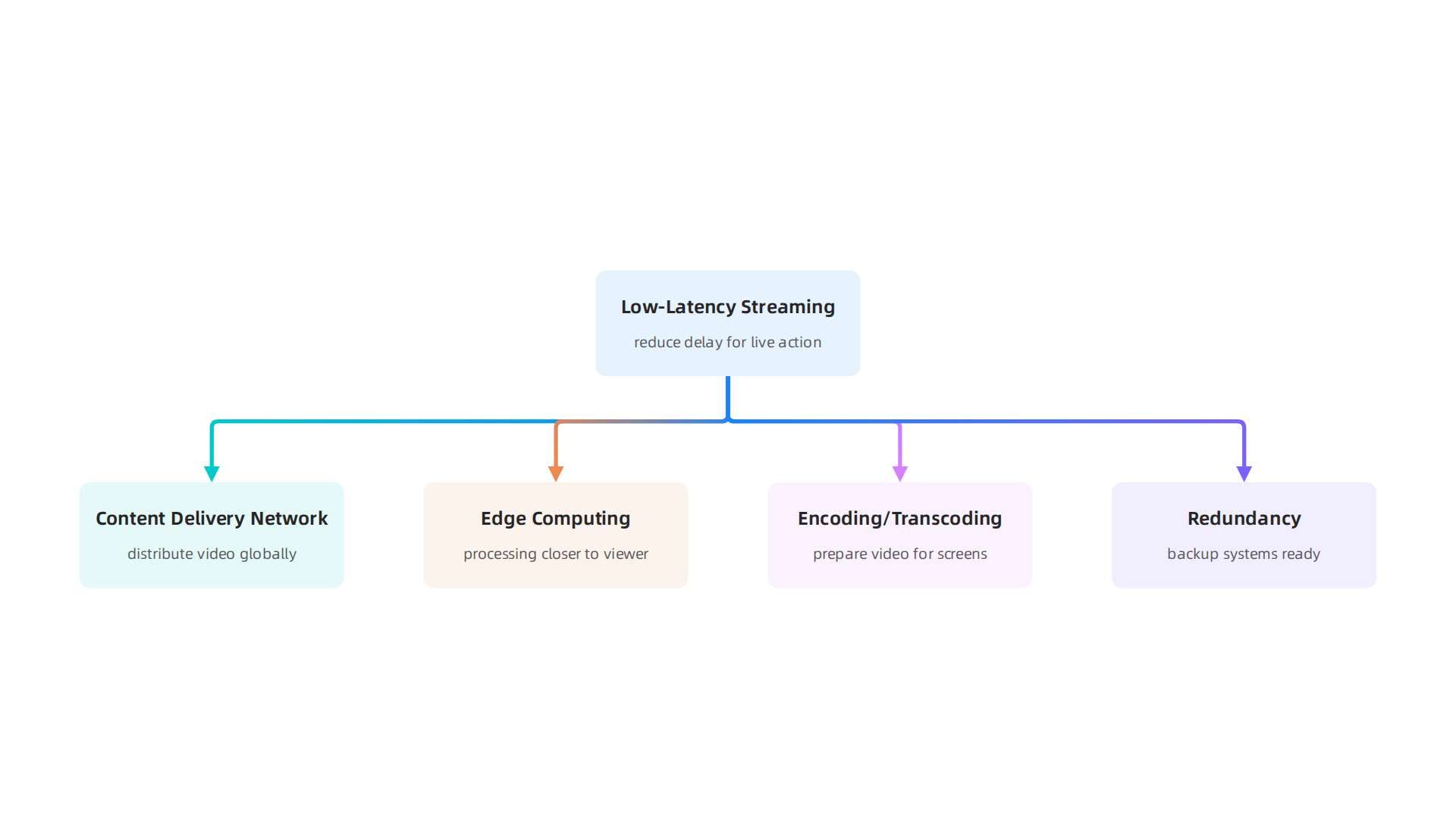
This relies on smart technical choices, especially around low-latency streaming and how content gets delivered globally.
Making Streams Fast and Clear
When you watch a live game, like a crucial moment on the college football tv schedule, you want to see it right away. This is where "low-latency streaming" comes in. Latency is just a fancy word for delay. In 2026, broadcasters work hard to reduce this delay, often aiming for just a few seconds between the live action and what you see on your screen Low-Latency Live Streaming: Sub-3-Second Guide 2026. Some technologies can even bring that down to less than a second, giving you a true "live" feel Ultra Low Latency Video Streaming: Sub-Second Playback.
To achieve this, special ways of sending video are used, like LL-HLS and LL-DASH. These methods break the video into very small pieces and send them super quickly. This is important because even a small delay can spoil the fun, especially if you’re checking live scores on another device. Making sure these streams are reliable and consistent across different devices, from your phone to your smart TV, is a big technical job.
Smart Ways to Deliver Video Globally
Imagine a huge number of people trying to watch the texas tech football schedule or the ole miss football schedule at the same time, all around the globe. This could slow things down. To stop this, broadcasters use something called a Content Delivery Network, or CDN.
A CDN is like having many storage centers for video files all over the world. Instead of everyone getting the video from one far-away source, a CDN sends it from the closest storage center to each viewer. This makes the video start faster and play smoother. It also helps manage huge numbers of viewers, so the system doesn’t get overloaded during big games. This approach uses "edge computing," meaning the processing and delivery of video happen closer to you, right at the "edge" of the network Edge Computing for Low-Latency Live Streaming Services.
The goal is a constant, high-quality picture for every fan, whether they’re tuning in from down the street or across the ocean to catch their favorite rangers sports network broadcast.
Getting the Video Ready for Every Screen
Before a game can be streamed, it needs to be prepared. This is called "encoding" and "transcoding." Think of it like making copies of a book in different sizes and languages. The video signal from the game is changed into many different versions. Some are for fast internet, some for slower internet. Some are for phones, others for big TVs. This ensures that no matter your device or internet speed, you get the best possible picture.
This entire system also needs "redundancy." This means having backup systems ready to kick in if something goes wrong. If one server or network path fails, another can take over instantly, so your west tv network schedule game doesn’t suddenly cut out. It’s all about making sure that the complex journey from the stadium to your screen is flawless and uninterrupted.
Building this kind of advanced technical setup for live sports requires deep knowledge and experience. For organizations looking to master these technical challenges and deliver outstanding experiences for their global fans, you can Explore Our Broadcast Services.
For sports organizations, keeping up with these technologies is key to meeting fan expectations and making sure every moment of the college football tv schedule is delivered perfectly. If you are a large enterprise, global sports federation, or major sports league needing sophisticated live sports broadcast services, we can help. Request a Broadcast Consultation.
Operational Challenges: Costs, Vendor Management, and Global Live Production
Even with all the clever technology that gets college football games to your screen, there are still big challenges in making it all happen. It’s not just about sending video quickly. It’s also about managing money, working with many different companies, and making sure the show runs perfectly for fans everywhere, like those eager to see the ole miss football schedule or the texas tech football schedule. These are the "operational challenges" that broadcasters face every day.
The Big Money Behind Live Sports
Producing a live college football game and sending it all over the world costs a lot. Here are some of the main reasons why:
- Travel Costs: Think about all the people needed for a game: camera operators, sound engineers, directors, and more. They all need to travel to the stadium. Getting these big teams and their gear from place to place, especially for a full
college football tv schedule, adds up. - Outside Broadcast (OB) Trucks: These are like giant TV studios on wheels. They have tons of special equipment for filming, mixing sound, and sending signals. Renting and moving these trucks is very expensive.
- Remote Production (REMI): Sometimes, a smaller crew is at the stadium, and most of the work happens back at a main studio. This is called remote production. It can save some travel money, but it still needs a lot of high-tech gear and skilled people at the home base to make sure the
rangers sports networkorwest tv network schedulelooks good. - Cloud Costs: Storing, changing, and sending video files around the world often uses "the cloud." While helpful, using cloud services can also be costly, especially for many live streams at once. Some cloud production methods are changing the game, allowing more events to be covered at lower costs Is Cloud Production the Game-Changer Sports Broadcasting Has Been Waiting For?.
All these parts add to the total cost of putting a game on the air.
Working with Many Companies
Imagine trying to build a complex toy, but each part comes from a different store, and you have to talk to twenty different people. That’s a bit like managing all the "vendors" in live sports production. A vendor is just another company that provides a service, like camera rentals, satellite links, or special graphics.
Working with too many vendors can make things very hard.

It can lead to confusion, higher costs, and more chances for things to go wrong. That’s why many sports organizations try "vendor consolidation." This means they work with fewer companies, usually ones that can do many different jobs. By having fewer partners, it’s easier to keep track of everything, manage quality, and often save money Vendor Consolidation 2026: A Framework for Smarter Purchasing. This also helps make sure that the different parts of the broadcast work well together. Keeping an eye on how well these partners perform is also key for good management.
Making It All Work Globally
Putting together a live college football game for a global audience is a huge task. It means making sure the picture and sound are perfect, no matter if someone is watching in their home country or on the other side of the world. It means having backup plans for everything, from power outages to internet problems, so fans don’t miss a single play. This level of planning and execution helps deliver world-class broadcasts. You can learn more about these big challenges in mastering global sports broadcasting challenges.
For sports organizations looking to improve how they show games and reach more fans, understanding these operational tasks is super important. It helps them put out the best possible college football tv schedule for everyone. To further optimize broadcast operations for various sports, read about optimizing college football broadcasting for sports enterprises.
Are you a global sports federation, major sports league, or large enterprise looking for sophisticated live sports broadcast services? Get in touch with us today to discuss your unique needs and how we can help.
Now that we’ve looked at how much work goes into making a live broadcast happen, let’s talk about how those games actually get to you, the fans. This is all about "distribution strategies."
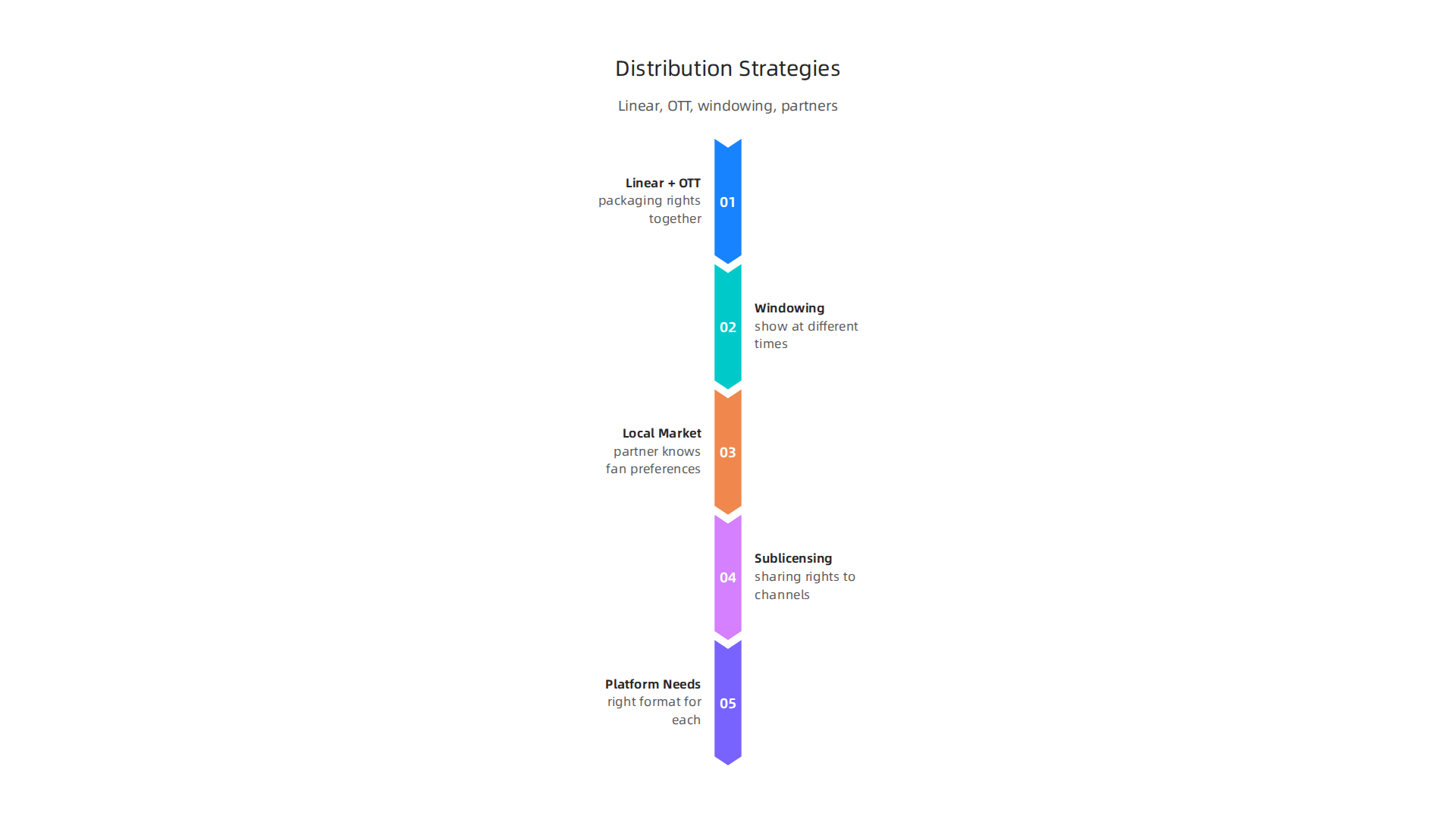
It means deciding how to share the games, whether on regular TV or through online streaming, and making sure everyone can watch, no matter where they are in the world. This is key to getting the most out of every college football tv schedule.
Combining Regular TV and Online Streaming
In 2026, people watch sports in many ways. Some still love watching games on traditional TV, also called "linear TV." Others prefer to stream games online through apps and websites, known as "Over-the-Top" (OTT) services.
Sports organizations need smart ways to offer games on both. This often means "packaging" the rights together. For example, a big game might be shown live on a major TV channel, but also offered on a streaming service. This way, they reach the most viewers possible.
Think about the ole miss football schedule or the texas tech football schedule. These games attract huge audiences. In 2026, college football viewership has seen good growth, with many games pulling in millions of viewers across different platforms College Football Viewership Is Up Double Digits. Here’s Why. By offering games both on linear TV and streaming, organizations can make more money. They can sell ads on regular TV and also get subscription fees or more ad revenue from online viewers. Many top games are bringing in big audiences, with some having over 10 million viewers during the regular season 2026 College Football TV Playbook for Marketers – Tatari TV.
How "Windowing" Helps
Another smart move is called "windowing." This means showing the same game at different times on different platforms. For example, a game might first be shown live on a main TV channel. Then, a few hours or a day later, it might be available to watch on demand through a streaming service.
This strategy helps make more money because it lets organizations sell the same content multiple times. It also gives fans more ways to catch the action if they missed the live broadcast. It’s about finding the best timing for each type of viewer to enjoy the college football tv schedule.
Choosing International Partners
For college football to reach fans all over the world, sports organizations need good international partners. These partners help share the games in different countries. It’s like having local friends who know how to get your favorite snack in their town.
Here’s what to look for:
- Understanding the Local Market: A good partner knows what fans in their country like to watch and how they like to watch it. Do they prefer cable TV or specific streaming apps?
- Sublicensing: Sometimes, a big network might buy the rights to show games in a whole region. Then, they might "sublicense" those rights to smaller, local channels or streaming services, like a local
rangers sports networkorwest tv network schedule. This ensures wider coverage. - Platform Needs: Different countries have different rules and technologies for broadcasting. Partners must be able to send the video in the right format for each platform, whether it’s a TV channel or a mobile app. This helps guarantee a smooth viewing experience for everyone.
Working with the right partners can help expand your global audience and improve how fans engage with the sport. Learn more about how to make sure these broadcasts are world-class in our guide on how to deliver world class global live broadcasts in 2026.
Successfully sharing your games around the world means understanding both regular TV and online streaming. It also means picking the best partners to help you reach every possible fan. For sports organizations aiming to boost their global presence and revenue, these distribution strategies are incredibly important.
Are you looking for a partner that specializes in end-to-end live sports broadcast solutions? Why Choose TPT Global to help with your global distribution needs.Now that we’ve looked at how much work goes into making a live broadcast happen, let’s talk about how those games actually get to you, the fans. This is all about "distribution strategies." It means deciding how to share the games, whether on regular TV or through online streaming, and making sure everyone can watch, no matter where they are in the world. This is key to getting the most out of every college football tv schedule.
Combining Regular TV and Online Streaming
In 2026, people watch sports in many ways. Some still love watching games on traditional TV, also called "linear TV." Others prefer to stream games online through apps and websites, known as "Over-the-Top" (OTT) services.
Sports organizations need smart ways to offer games on both. This often means "packaging" the rights together. For example, a big game might be shown live on a major TV channel, but also offered on a streaming service. This way, they reach the most viewers possible.
Think about the ole miss football schedule or the texas tech football schedule. These games attract huge audiences. In 2026, college football viewership has seen good growth, with many games pulling in millions of viewers across different platforms College Football Viewership Is Up Double Digits. Here’s Why. By offering games both on linear TV and streaming, organizations can make more money. They can sell ads on regular TV and also get subscription fees or more ad revenue from online viewers. Many top games are bringing in big audiences, with some having over 10 million viewers during the regular season 2026 College Football TV Playbook for Marketers – Tatari TV.
How "Windowing" Helps
Another smart move is called "windowing." This means showing the same game at different times on different platforms. For example, a game might first be shown live on a main TV channel. Then, a few hours or a day later, it might be available to watch on demand through a streaming service.
This strategy helps make more money because it lets organizations sell the same content multiple times. It also gives fans more ways to catch the action if they missed the live broadcast. It’s about finding the best timing for each type of viewer to enjoy the college football tv schedule.
Choosing International Partners
For college football to reach fans all over the world, sports organizations need good international partners. These partners help share the games in different countries. It’s like having local friends who know how to get your favorite snack in their town.
Here’s what to look for:
- Understanding the Local Market: A good partner knows what fans in their country like to watch and how they like to watch it. Do they prefer cable TV or specific streaming apps?
- Sublicensing: Sometimes, a big network might buy the rights to show games in a whole region. Then, they might "sublicense" those rights to smaller, local channels or streaming services, like a local
rangers sports networkorwest tv network schedule. This ensures wider coverage. - Platform Needs: Different countries have different rules and technologies for broadcasting. Partners must be able to send the video in the right format for each platform, whether it’s a TV channel or a mobile app. This helps guarantee a smooth viewing experience for everyone.
Working with the right partners can help expand your global audience and improve how fans engage with the sport. Learn more about how to make sure these broadcasts are world-class in our guide on how to deliver world class global live broadcasts in 2026.
Successfully sharing your games around the world means understanding both regular TV and online streaming. It also means picking the best partners to help you reach every possible fan. For sports organizations aiming to boost their global presence and revenue, these distribution strategies are incredibly important.
Are you looking for a partner that specializes in end-to-end live sports broadcast solutions? Why Choose TPT Global to help with your global distribution needs.
Future Trends: How the College Football TV Schedule Will Evolve (2026 and Beyond)
We’ve talked about how games are shown to fans now, but what about tomorrow? The way we watch college football is always changing. In 2026 and beyond, new technologies and shifts in how sports are organized will deeply impact the college football tv schedule.
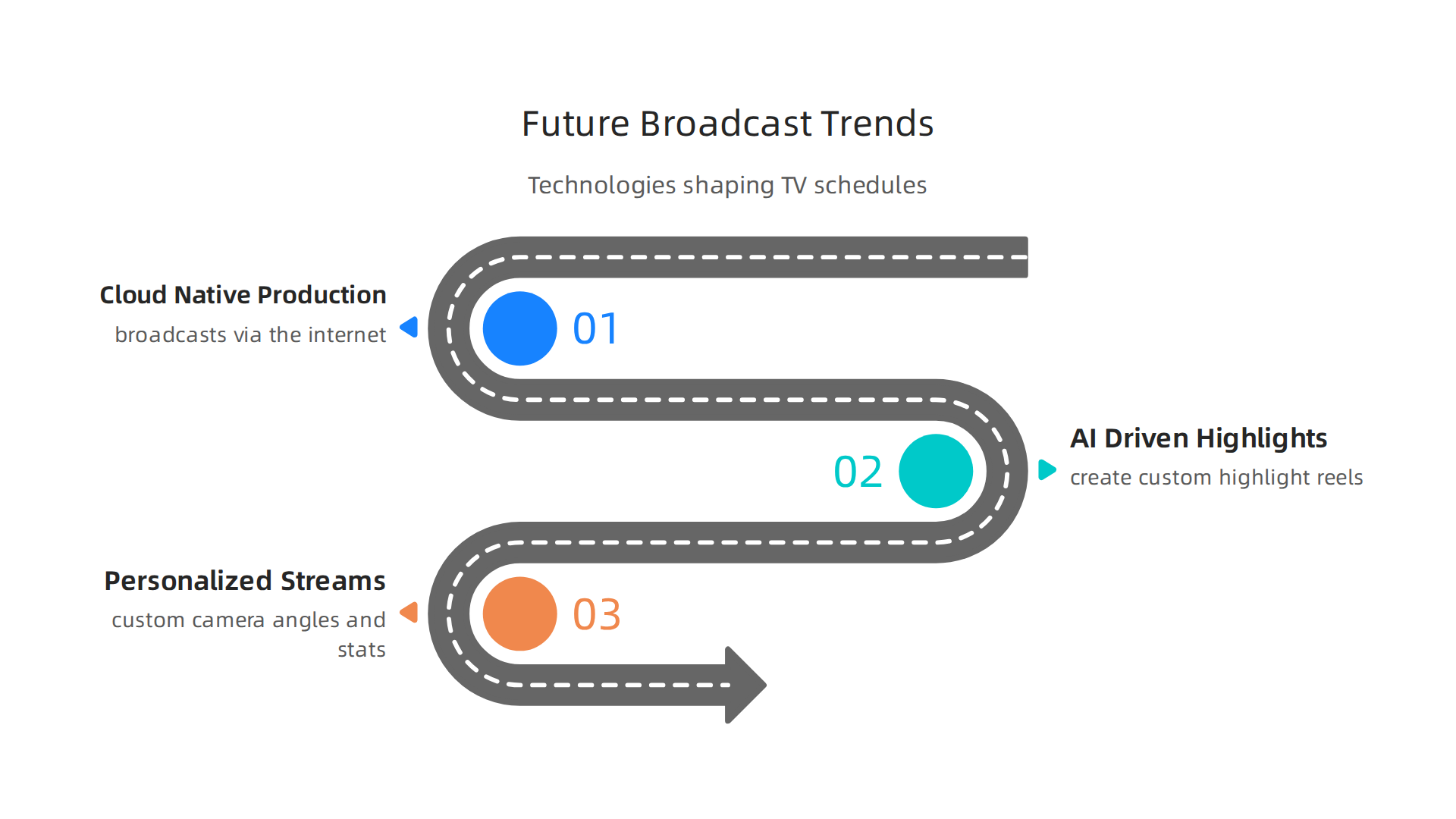
These changes mean even more exciting ways for you to enjoy your favorite teams, like the ole miss football schedule or the texas tech football schedule.
New Technologies Changing the Game
Technology is always moving forward, and live sports broadcasting is no different. We are seeing some big changes right now:
- Cloud-Native Production: Imagine making a live broadcast not from a big truck outside the stadium, but using computers over the internet. This is "cloud-native production." It makes it easier and cheaper to create high-quality shows from anywhere. This also helps streamline global live sports production, which is a big deal for major rights holders.
- AI-Driven Highlights: Artificial Intelligence (AI) is getting very good at picking out the best moments from a game. Soon, AI will create custom highlight reels just for you, based on what players or teams you like. This will make watching sports even more personal. Experts say that by 2035, the global sports broadcasting technology market will be worth a lot more money, showing how fast new tech is growing Sports Broadcasting Technology Market Size Report, 2035. AI is becoming a core part of how media works in 2026, not just a fun idea NAB 2026 – AI, Streaming, and the Transformation of ….
- Personalized Streams: Soon, your game stream might let you pick different camera angles, listen to different commentators, or even see stats custom-made for you. This kind of watching is all about what you want to see. This focus on individual viewers will shape how games are broadcast, helping optimize college football streams for global audiences.
These tools will not only make production more efficient but also give fans a much richer experience. The future of sports broadcasting is moving towards these smart, flexible systems, as discussed in "The Future of Sports Broadcasting: Five Scenarios that may…" The Future of Sports Broadcasting: Five Scenarios that may ….
How Scheduling Will Change
Beyond technology, other big things are happening that will reshape the college football tv schedule:
- Conference Realignment: When teams move to different conferences, it changes who they play and when. This can create new rivalries and change which networks show those games. It means the schedule needs to be planned very carefully.
- International Expansion: We might see more college football games played in other countries. Imagine your favorite team playing overseas! This means schedules will need to fit different time zones and attract fans worldwide, helping to master the American sports calendar for global broadcast engagement.
- Changing Consumption Habits: People are watching sports more on streaming services. This trend will keep growing. By 2026, streaming services and technology in sports are already a huge market and are expected to grow even bigger Sports Streaming Services And Technology Market (2026). This means networks will keep finding new ways to offer games online, perhaps like how a
rangers sports networkorwest tv network schedulemight adapt for online viewing. This shift will make the planning of thecollege football tv scheduleeven more focused on digital platforms and mobile viewing options.
All these changes mean that the college football tv schedule in 2026 and beyond will be more complex, more global, and more tailored to each fan. It’s an exciting time to be a college football fan, with more ways to watch than ever before.
To see examples of how these trends come to life in action, you can Watch Our Latest Broadcast Work.
Summary
This article explains why the college football TV schedule is critical for global broadcasters and large sports companies in 2026. It walks through the changing market—where linear TV and streaming now coexist—and shows how scheduling, time zones and marquee matchups drive viewership and revenue. The piece breaks down the broadcast-rights landscape, sublicensing and exclusive windows, then explains the technical stack needed for flawless delivery, including low-latency streaming, CDNs, encoding and redundancy. It also covers operational realities like production costs, vendor management and remote workflows, and outlines distribution strategies that mix linear and OTT with windowing to maximize reach. Finally, it examines future trends such as cloud-native production, AI-driven highlights and international expansion so rights holders can plan scalable, fan-first global broadcasts.