




Why global sports events matter — scale, stakes, and the coverage challenge
Big sports events around the world are more than just games; they are massive gatherings that bring people together. Think about it: billions of fans watch events like the World Cup and the Summer Games, making them some of the most watched sporting events in the world. This huge number of viewers shows just how important these events are. In 2026, the global sports event market is expected to be worth around 520.9 billion US dollars, which is a lot of money changing hands Sports Event Market Size, Growth Report, 2026-2033.
For sports groups, leagues, and big companies, these events are very important for their business and brand. They get to show off their sport or product to a worldwide audience. It’s how teams like Duke football or clubs like ESPN Arsenal become famous far beyond their home turf. The more people who watch, the more popular the sport becomes, and the more money can be made through ticket sales, sponsorships, and broadcasting rights. In fact, many believe that sports rights holders will have more power in deals in 2026.
But putting these big events on TV or online for everyone to see is tough. There are many challenges, like:
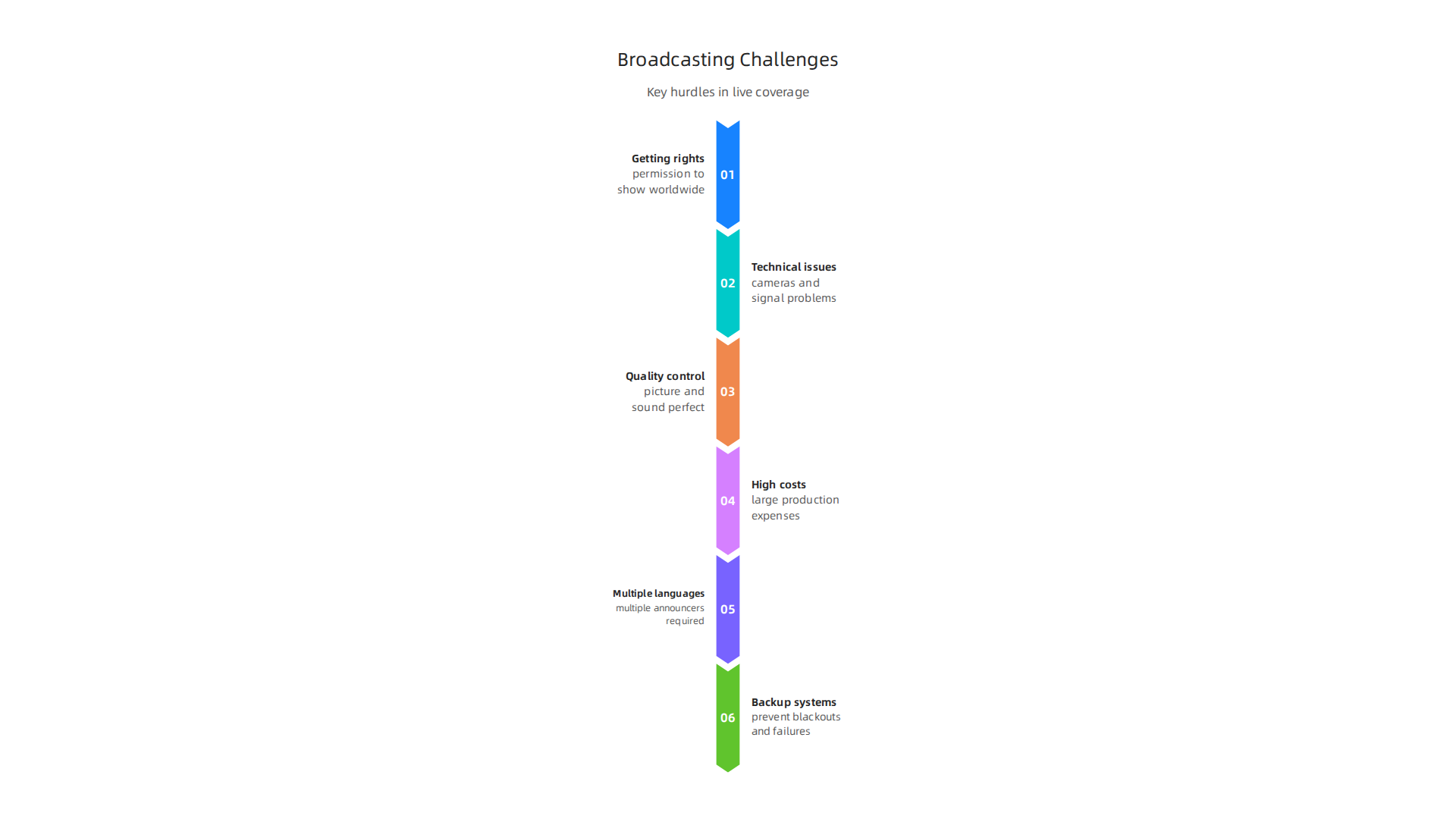
- Getting the rights: It’s hard to get permission to show the games in different parts of the world.
- Technical difficulties: You need special cameras, equipment, and ways to send the signal to many places at once.
- Keeping quality high: The picture and sound need to be perfect, whether you’re watching sports free live in a big city or catching Boston sports on TV in another country.
- High costs: All this work costs a lot of money to do right.
This is where companies that specialize in global broadcasting come in. They help make sure fans don’t miss a moment, no matter where they are. To learn more about how experts handle these big tasks, you can learn more about TPT Global. They offer services to streamline global live sports production for major rights holders, making it easier to overcome these challenges.
Companies like TPT Global help manage the tough job of broadcasting, and this is needed because there are so many different kinds of sports events, each with its own special needs and fans. The way these events are put on TV or streamed online depends a lot on their type and who is watching.
Here are the main kinds of global sports events:
-
World Cups and Global Championships: These are huge events like the FIFA World Cup or the Summer Games. They happen every few years and bring together teams or athletes from many countries. Billions of people tune in to watch these, making them some of the most watched sports in the world in 2026. For example, the 2026 FIFA World Cup attracted a massive audience, even setting new records for attendance FIFA Shatters All-Time Attendance and Broadcast Records at 2026 World Cup. Broadcasting these events means reaching a truly global audience, often in many languages.
-
Continental Championships: Events like the European Championship for football or the Africa Cup of Nations bring together teams from a specific part of the world. While they have a strong regional focus, fans from all over still want to watch. This means broadcasters need to think about both local and international viewers.
-
Multi-Sport Games: These are events like the Summer or Winter Games, where many different sports happen at once. It’s a huge task to cover all the events and make sure fans can find their favorite sports free live or catch up later.
-
Global Leagues: Sports leagues, such as the English Premier League for soccer, the NBA for basketball, or college football leagues in the US, run for many months. Teams like espn arsenal have fans across continents. Even a specific team like duke football has supporters far beyond its home region. The need to broadcast every game to a diverse, worldwide fanbase shapes how these rights are managed and delivered. This is where getting the right sports broadcasting rights and league partnerships becomes very important.
Understanding who is watching is key for these events. Broadcasters need to know if the audience is mostly in one country or spread out across the globe. For example, some fans might want to watch Boston sports on TV, while others prefer streaming college football games online. Many companies are now looking at how to optimize college football streams for global audiences in 2026.
Different audiences mean different needs:
- Regional Audiences: These fans often want local commentary, news, and special stories about their favorite teams or players. It’s about making them feel connected to their local sports scene.
- Digital Audiences: More and more people watch sports on their phones, tablets, or computers. This means broadcasts need to work well on all kinds of devices and offer extra features like instant replays or different camera angles. The way we choose live TV channels and streaming platforms for global sports broadcasting is changing rapidly.
- International Audiences: Fans outside the home region might need broadcasts in different languages or at times that fit their local schedule. This helps everyone feel included.
Because of all these different needs, sports businesses are always looking for better ways to deliver content. They want to make sure every fan, no matter where they are or how they watch, gets the best experience. Experts who can offer a full range of services, from getting the rights to broadcasting and managing events, are highly valued in this complex world. For a complete solution in sports and media, consider a full-stack agency like Trans Group.
TPT Global understands these many layers of global sports broadcasting. They help sports organizations connect with fans everywhere by offering smart ways to deliver high-quality, seamless broadcasts. If you want to learn more about how they can help with your broadcasting needs, you can find out Why Choose TPT Global.
To make sure every fan gets to watch their favorite sports, there’s a very important part of the business world: media rights and contracts. These are like special agreements that decide who can show what games and where.

It’s how sports organizations and broadcasters work together to bring games to you, whether it’s a huge event or just a regular season game for teams like duke football or espn arsenal.
Media rights and contracts: structuring global coverage and partnerships
Media rights are simply the legal permissions given to TV channels or streaming services to broadcast sports events. Think of it like a license. Sports organizations, like a league or an event organizer, sell these rights in different "packages." These packages might include the rights for TV, radio, mobile phones, or online streaming. In 2026, the global value of these sports media rights is expected to be very high, reaching over $67 billion Global Sports Media Rights Hit $67.3B in 2026, Up 9.6% ….
One big part of these agreements is whether the rights are "exclusive" or "non-exclusive."
- Exclusive rights mean that only one company gets to show the game in a certain place or through a certain type of media. For example, one network might have the exclusive right to show
boston sports on tvin one country, meaning no other TV channel there can show it. This can make the price of the rights go up a lot Audiovisual rights in sports events – European Parliament. - Non-exclusive rights mean that several companies can show the same event. This often happens for big news events or highlights.
Another key idea is territory-based licensing. This means that the rights are sold for specific countries or regions. So, a company in Europe might have the rights to show a particular football league, while a different company has the rights for North America. This is very common for college football games or global leagues, making sure that fans around the world can tune in. This careful dividing of rights helps reach a global audience while also meeting local demands.
These agreements have a big effect on how a sports broadcast is made and shared. They decide things like:
- Production scope: How many cameras are used? What kind of commentary is needed? Will there be replays and special graphics? The rights agreement can set standards for the quality and features of the broadcast.
- Windows of exclusivity: This refers to specific times when a broadcaster has the sole right to show an event. For example, a TV channel might have the exclusive right to show a live game, but then highlights can be shared online later by other outlets. This helps control how and when content is seen.
- Distribution channels: The agreements also state exactly where the content can be shown. This includes traditional TV, online streaming services, mobile apps, and even whether it can be offered as
sports free livecontent or requires a paid subscription. Forcollege footballespecially, these agreements help dictate how many viewers can watch a specific game, no matter where they are.
As the world of sports broadcasting keeps growing, especially with more people watching online, these rights and contracts are becoming even more complex. Companies are always looking for smarter ways to manage these agreements to get their games to the largest possible audience. Understanding these deals is key to reaching fans who want to watch duke football, espn arsenal, or any of the top ten sports of the world in 2026. For those in the sports industry looking to navigate these complex agreements and deliver their content flawlessly, it’s important to have expert help with things like optimizing college football broadcasting for sports enterprises.
Managing these global media rights can be a huge job. It requires a lot of planning and the right technology to make sure every broadcast goes smoothly. If you’re involved in sports broadcasting and need help with the details of global coverage, from contracts to delivery, it might be time to find out more.
Get in touch with TPT Global to discuss how their end-to-end services can help your organization succeed.
Bringing sports events to fans around the world is not just about who owns the rights to show them. It also means solving many tough technical problems to make sure the broadcast looks and sounds perfect. Imagine trying to show a live game like duke football or espn arsenal across different countries and time zones. That’s where the real technical challenges begin.
Technical production challenges for live global broadcasts
One of the biggest changes in how live sports are broadcast today involves where the work actually happens. For a long time, TV companies used big trucks called Outside Broadcast (OB) vans. These vans are like mini TV studios on wheels, packed with all the cameras, sound gear, and other equipment needed to broadcast a game right from the stadium. But these vans are expensive to run, move around, and can be hard to use in tricky weather or far-off places Next-Generation Marathon Broadcasting: Exploring Technological Breakthroughs in Live Sports…. For example, the Winter Olympics in 2026 faced special challenges with snow and cold temperatures in mountain areas Masterclass: The dos and don’ts of an Olympic broadcast.
Now, many broadcasters are using "remote production" or "REMI workflows." This means that cameras and microphones are still at the sports venue, but the main control room and editing staff might be thousands of miles away at a central office. This way, many games, like various boston sports on tv, can be managed from one place, saving money and making things simpler

Live Sports Production: The Rise Of Remote Hybrid Workflows. These central hubs can handle many broadcasts at once, which is great for cost and efficiency. However, it also means that the internet connection between the venue and the hub must be super fast and reliable.
Ensuring top-notch signal quality is another big challenge. Whether it’s a major event for the top ten sports of the world or a local game, viewers expect clear pictures and sound. This means making sure all the technical standards are met, especially as the industry moves towards new ways of sending video and audio over the internet The Unbundling of the Broadcast Truck: A Technical Analysis of REMI, Cloud, and AI in Modern Sports Production. A common problem is "latency," which is the small delay between the live action and what you see on your screen. For live sports, this delay needs to be very short, usually less than 200 milliseconds, so that replays and decisions can happen quickly Remote Production in 2026: How REMI Workflows Are Changing Live Sports Broadcasting – TechPR.online.
Another important part is "redundancy." This means having backup systems for everything. If one camera, one internet connection, or one piece of equipment fails, there’s another one ready to take over instantly. This prevents blackouts and keeps the broadcast smooth. Building these backup systems is very important to make sure a sports free live stream or a paid broadcast never stops working Live Sports Broadcasting: From Stadium to Screen.
Lastly, to serve a global audience, sports broadcasts often need to be available in many languages. This means having different teams of commentators, mixing multiple audio tracks, and making sure all these language versions can be sent out correctly to the right places. This adds another layer of complexity to the production process. Keeping all these parts running smoothly needs careful planning and the right tools. Learn more about how to get your live broadcasts to fans all over the world with expert advice on how to deliver world class global live broadcasts in 2026.
For any organization looking to master these technical challenges and deliver stunning live sports broadcasts, understanding and planning for these elements is key.
If you are curious about the different services TPT Global offers to help manage these challenges, you can Explore Our Broadcast Services.
Low-latency streaming and CDN strategies
Getting live sports to fans with almost no delay is super important. Think about watching a duke football game or espn arsenal match. You want to see the action right as it happens, not seconds later. This small delay, called latency, can really impact how you enjoy a sports free live broadcast or a premium stream. For live sports, broadcasters aim for a delay of only 3 to 8 seconds, or even less, by using special methods like Low-Latency HLS (LL-HLS) and Low-Latency DASH (LL-DASH) Best CDN for Live Sports Streaming 2026: Ultra-Low Latency …. Some new ways are even trying to get it under one second for things like live betting Low Latency Streaming: Sub-Second at Scale (2026) – Fora Soft.
A big helper in making streams fast is something called a Content Delivery Network, or CDN. Imagine a CDN as a huge network of computers all over the world. When you watch a boston sports on tv game, the video comes from a computer closest to you, not from the original broadcast center. This greatly shortens the path the video has to travel, making it arrive much faster. When planning for big events or top ten sports of the world, it’s smart to use a top-level CDN. These are known as "Tier 1" CDNs and they help make sure millions of people can watch at the same time without any hiccups Live Sports OTT Streaming: Technical Playbook 2026. They often have many "edge locations" or points of presence close to viewers, even inside internet provider networks, to cut down delays even more.
To make sure everything runs smoothly, especially for huge global audiences, constant checking is needed. This means watching the signal quality, making sure the video encoders are working well, and checking that the CDN is doing its job. Having a service level agreement, or SLA, is also key. This is like a promise from your CDN provider about how reliable and fast their service will be. Monitoring all these points helps keep the broadcast perfect and quickly fix any problems How To Build A Reliable Live Sports Streaming Production Workflow …. This careful planning helps to deliver flawless global live sports broadcasts for maximum fan engagement.
For those looking to deliver flawless live sports, you can learn more about how to Streamline Global Live Sports Production for Major Rights Holders.
If you want to make sure your audience experiences the best broadcast quality, you may want to Explore Our Broadcast Services.
Maintaining visual and audio quality across regions
Even with fast streaming, keeping the video and sound looking and sounding great everywhere is another big job. Think about watching a big game, whether it’s a duke football match or an espn arsenal showdown. You want to see every play clearly and hear every cheer, no matter if you’re watching on your TV in Boston or on a small screen across the world.
To make sure this happens, broadcasters follow special rules called standards. For example, the industry is moving towards new ways of handling video over internet networks, like something called The Unbundling of the Broadcast Truck: A Technical Analysis of REMI, Cloud, and AI in Modern Sports Production. Also, they use smart ways to package the video and audio data, known as codec strategies. This helps make the files smaller without losing too much quality, so they can travel quickly around the globe.
Checking the quality constantly is super important. This means watching the video signal, making sure the audio sounds right, and checking that all the equipment is working perfectly. Any small problem, like a blurry picture or crackling sound, needs to be found and fixed fast, especially for top ten sports of the world events. This careful watching ensures that when you see boston sports on tv, it’s always clear, even if it’s a sports free live stream.
Many sports broadcasts now use a mix of on-site and remote teams, called hybrid workflows. This means some cameras might be at the stadium, but the people who put the show together could be in a studio far away. This helps save money and makes things easier to manage Live Sports Production: The Rise Of Remote Hybrid Workflows. For example, special remote camera feeds send video from the game to the studio. There are always backup plans, too, like extra paths for the video signal, so if one path fails, the show doesn’t stop.
Delivering such quality takes great skill and the right tools. If you’re curious about how top-notch live broadcasts are made, you can Watch Our Latest Broadcast Work. To help you understand more about getting broadcasts right, check out how to Deliver Flawless Global Live Sports Broadcasts for Maximum Fan Engagement.
After making sure the picture and sound are just right, the next big step is getting the game to all the fans, no matter where they are or how they like to watch. This means choosing the right ways to share the broadcast.
Distribution platforms and audience reach: TV, OTT, social and hybrid strategies
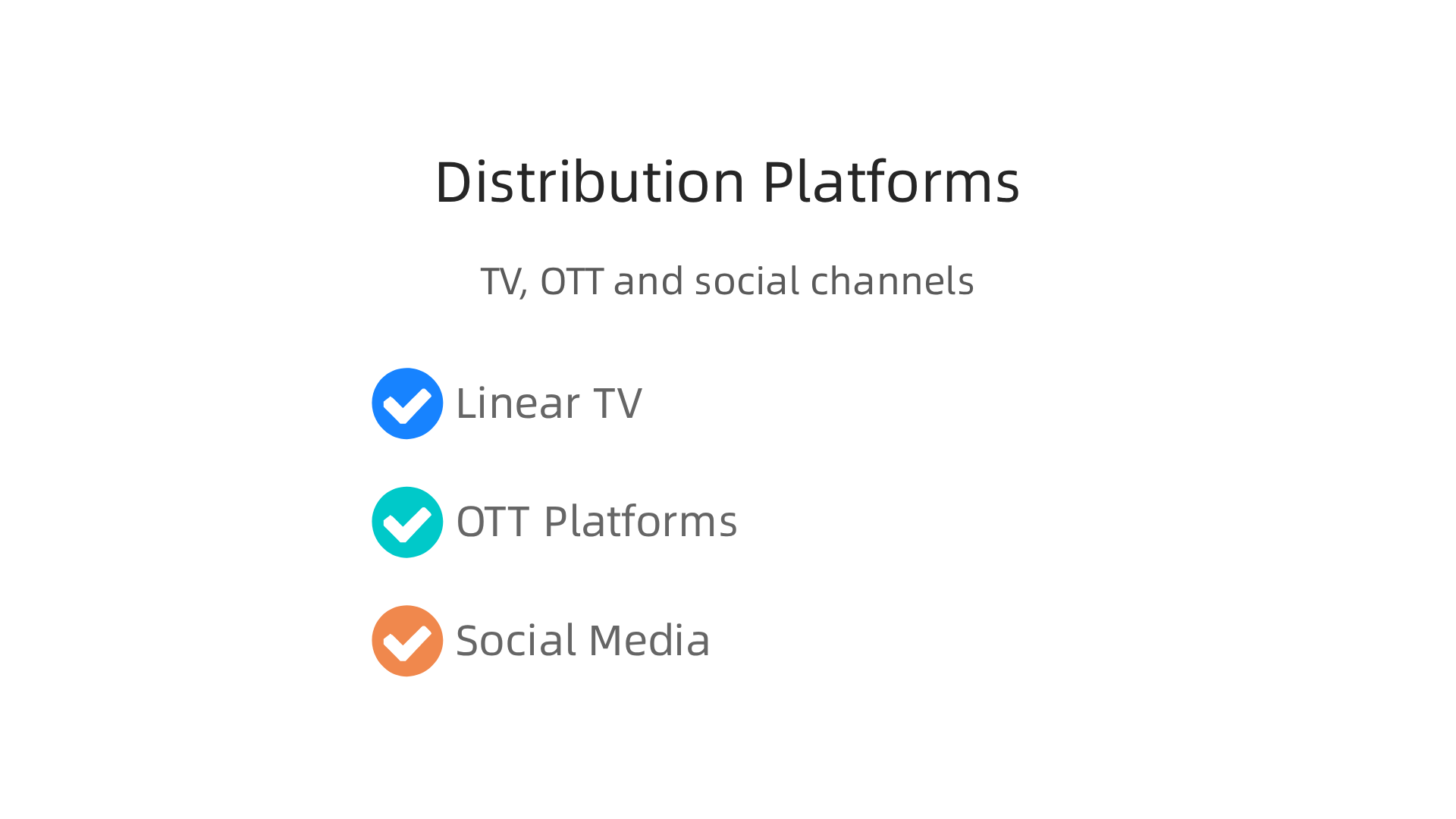
Today, sports events can reach viewers through different channels. There’s regular TV, which we call linear TV. Then there are streaming apps, known as OTT (Over-The-Top) platforms, like ESPN+ or Peacock. And don’t forget social media, where many people watch clips or even live streams.
Knowing which platform works best depends on who is watching and how the broadcasters want to make money.
For example, older fans might still prefer to watch boston sports on tv on their cable channels. But younger fans are more likely to tune in on a streaming app or catch highlights on social media. For major events like top ten sports of the world tournaments, broadcasters often use a mix of these. This is called a hybrid strategy. It helps them reach everyone, from those wanting to watch duke football on their big screen to others following espn arsenal on their phones.
When choosing platforms, broadcasters think about the audience. Who are they? Where do they live? How do they like to watch? They also consider how to earn money. Regular TV often relies on ads. Streaming apps might offer subscriptions. Social media can use ads or sponsored content.
Making sure the broadcast works well on all these platforms is a big job. This includes getting the rights to show the games on different services and planning schedules so fans don’t miss anything. Content also needs to fit each platform. What works on a big TV screen might look different on a small phone. For streaming live sports, especially those big games, keeping the delay super short is key. Newer streaming methods, like Low-Latency HLS (LL-HLS) or LL-DASH, can cut delays down to just a few seconds. This is important so that viewers watching on an OTT platform are not too far behind those watching on regular TV Live Sports OTT Streaming: Technical Playbook 2026. Many top content delivery networks (CDNs) are built to handle massive numbers of viewers for sports free live events, keeping the quality high and the delay low 11 Best Video Streaming CDNs for OTT & Live Delivery in 2026.
To truly get your sports content out to the largest possible audience across all these different ways people watch, you need a plan. TPT Global helps organizations craft a powerful broadcast strategy to ensure content reaches everywhere it needs to go. Learn more about how to Maximize Global Reach with Collegiate Football Broadcast Schedules and Team Coverage.
If you have quick questions about global sports broadcasting, you can always Chat now on WhatsApp.
After knowing how to send games to fans everywhere, the real challenge is making sure everything works perfectly behind the scenes. This involves careful planning and teamwork to create world-class event coverage.
Case studies and best practices: delivering world-class event coverage
For any big sports event, whether it’s a major duke football game or one of the top ten sports of the world tournaments like the FIFA World Cup, there’s a lot of work that goes into the broadcast. It’s not just about cameras and microphones. It’s about having clear plans, known as operational playbooks, for every single step.

These playbooks guide on-site coordination, making sure all the different teams at the stadium or event venue know exactly what to do. This includes camera crews, sound engineers, and directors. It also means bringing everyone involved, like the sports league, the teams, and various sponsors, onto the same page. This is called stakeholder alignment. When everyone understands the plan, the broadcast runs smoothly, whether it’s for boston sports on tv or an international stream for espn arsenal fans.
Managing many different companies and technologies, known as vendor orchestration, is also a huge part of the job, especially for broadcasts that cover many areas. The global sports industry is a massive market, valued at hundreds of billions of dollars in 2026, with global sports rights alone climbing to over $67 billion that same year, showing the scale of these operations Global sports rights climb to over $67 billion in 2026. A detailed strategy helps streamline everything, ensuring high-quality delivery without breaking the bank. For example, the 2026 FIFA World Cup set new attendance records, showing how important flawless event coverage is for such massive gatherings FIFA Shatters All-Time Attendance and Broadcast Records at 2026 World Cup.
When broadcasting to many different countries, organizations often choose between two main ways to manage their feeds. A centralized approach means one main hub controls everything, which can keep quality consistent. A modular approach, on the other hand, lets different regions handle parts of the broadcast themselves. Both methods have pros and cons for speed, overall quality, and cost. Finding the right balance helps deliver the best experience for fans watching sports free live streams or traditional TV.
To deliver such complex, world-class event coverage, especially for major rights holders, sports organizations need expert support. TPT Global specializes in these end-to-end solutions, helping companies craft expert strategies for global sports broadcasting. You can learn more about how they help organizations Streamline Global Live Sports Production for Major Rights Holders.
Want to see some of the incredible projects that showcase this level of expertise?
Watch Our Latest Broadcast Work
When aiming for seamless sports coverage, understanding the money side of things is super important. It’s not just about spending, but about spending wisely to get the best results. For major events like a big duke football game or even the top ten sports of the world tournaments, there are key costs that add up.
What Makes Event Coverage Expensive?
Delivering a live sports broadcast to fans watching sports free live streams or on TV involves several big costs:
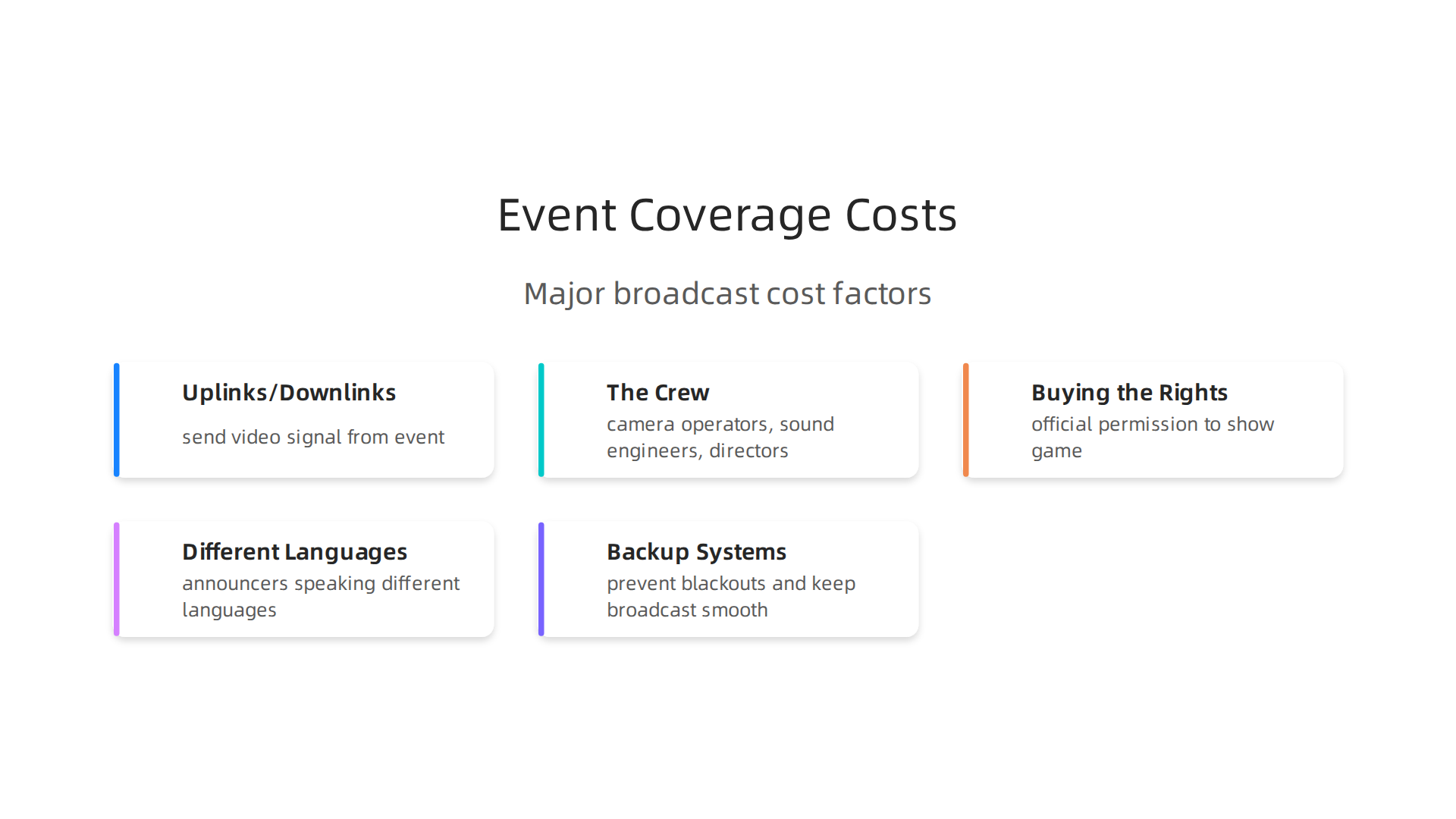
- Uplinks and Downlinks: These are like special delivery services that send the video signal from the event location to a broadcast center, and then out to homes. Imagine sending a package across the world; it costs money.
- The Crew: A lot of people are needed to make a broadcast happen. This includes camera operators, sound engineers, directors, and even people who help manage the data. They work hard to make sure everything looks good, whether it’s
boston sports on tvorespn arsenalfor international viewers. - Buying the Rights: One of the biggest costs is getting the official permission to show the game. These are called media rights or broadcast rights. Leagues and teams sell these rights to broadcasters, and these deals can be very complex. For example, owning exclusive rights for a certain area or country usually makes the cost go up a lot for broadcasters Audiovisual Sports Rights: Exclusivity and Competition. In 2026, companies are still figuring out who holds the most power in these sports rights deals, which can change how much broadcasters pay Who Holds The Power in Sports Rights in 2026.
- Different Languages: For global events, you often need different announcers speaking different languages. This means more crew and more technical setups to offer commentary in many tongues.
- Backup Systems (Redundancy): Just like you have a spare tire for your car, broadcasters have backup cameras, sound systems, and ways to send signals. If something goes wrong, the backup kicks in so fans don’t miss a second of the action. This helps keep broadcasts flawless and reliable.
How Companies Work Together: Vendor Models
When it comes to putting a broadcast together, companies often choose between two main ways to work with others:
- One Company Does It All (Single Full-Stack Provider): Some sports organizations like to work with one big company that handles everything. This means they only have one partner to talk to for all their needs, from cameras to sending the signal around the world. It can make things simpler and give the organization more control over the whole process.
- Many Companies Working Together (Multi-Vendor Orchestration): Other times, different companies might be hired for different parts of the broadcast. One company might handle cameras, another handles sound, and yet another handles sending the signal. This approach can let organizations pick the very best experts for each specific job. However, it means more work to make sure all these different companies are talking to each other and working together smoothly. Building a powerful strategy helps major sports properties manage these complex partnerships effectively Build a Powerful Broadcast Strategy for Major Sports Properties.
Choosing the right way to work with partners depends on how much control an organization wants and how much risk they are willing to take. Both ways have their good points and bad points.
To help make sense of all these choices and create a clear plan for your next big event, consider reaching out to experts.
If you’re looking for an all-in-one partner that handles every aspect of sports and media, from rights to production, you might be interested in learning more about Trans Group.
Ready to discuss your broadcast needs and plan for flawless delivery?
Request a Broadcast Consultation
Summary
This article explains why global sports events are strategic assets for leagues, rights holders and broadcasters and breaks down the practical challenges of getting those events to fans everywhere. It covers media-rights structures (exclusive, non‑exclusive and territory licensing), the technical realities of modern live production including REMI/remote workflows, redundancy and codec strategies, and the importance of low‑latency streaming and Tier‑1 CDNs. The piece also outlines how to maintain consistent audio and picture quality across regions, how to choose distribution mixes across TV, OTT and social platforms, and the main cost drivers of event coverage. Readers will learn the tradeoffs between single full‑stack providers and multi‑vendor orchestration, concrete approaches to reduce latency, and the planning and operational playbooks needed to deliver world‑class broadcasts. Overall, the article gives sports and media professionals a clear framework to plan rights, production and distribution for global reach and fan engagement.