



Why broadcast strategy matters for major sports properties
Broadcasting major sports events, like a thrilling oregon ducks football game or a big match for michigan state football, is a very big deal in 2026. It’s not just about showing the game; it’s about making sure millions of fans around the world can watch it perfectly. This comes with big challenges: high costs, complex technical setups, and the need to meet high expectations from a global audience.
Think about it: during busy sports seasons, many people try to tune in at the same time. They want to see every play with no buffering, no delays, and crystal-clear picture quality.
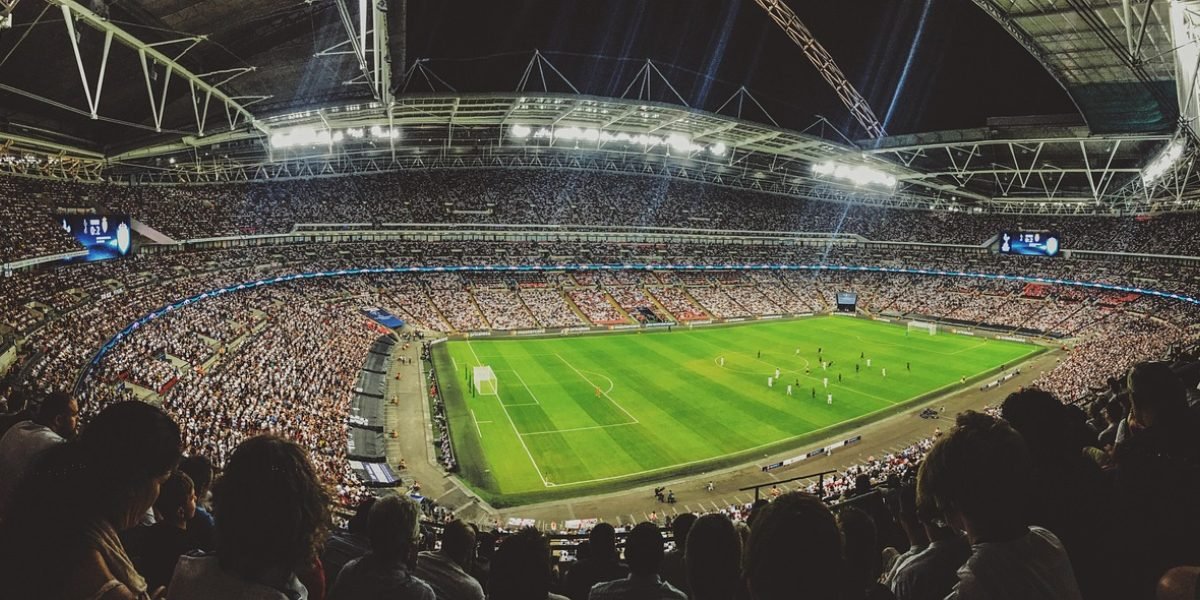
This is especially true for live sports. In fact, keeping delays to less than one second for major sports streams is a key goal for broadcasters today Achieving Sub-Second Latency for Sports Streams. If streams fail or stop working, fans get frustrated. A report from early 2026 showed that more than 3 out of every 100 video streams failed to start for viewers globally Workload-Profile Decision…. That might sound small, but when you have 1.4 billion people streaming every day, it means a lot of unhappy fans.
Reaching fans through different services, whether it’s the traditional directv sports schedule or newer platforms like netflix sports, adds even more layers of complexity. It takes a lot of powerful technology and planning to send a live game around the world without a hitch. The market for Content Delivery Networks (CDNs), which are like super-fast delivery systems for internet content, is expected to grow to over $18 billion in 2026, showing just how much effort goes into getting content to everyone

Content Delivery Network (CDN) Market.
This guide is here to help big sports organizations, like leagues and event organizers, and their top leaders.
We’ll give you practical advice on how to build a broadcast plan that is reliable and can grow as your audience grows. You’ll learn how to make sure your coverage is top-notch, no matter where your fans are watching.
Find out how we help sports properties meet these big challenges.
We can also show you how our production quality helps drive fan excitement.
Explore Our Broadcast Services
Live sports broadcasting is a huge job, and it brings big problems for sports leagues and teams.


It’s not just about showing a game like oregon ducks football or a big match for michigan state football. It involves many hidden costs and tricky tasks that can make things go wrong.
High Costs and Managing Many Resources
One of the biggest headaches is how much everything costs. Think about all the cameras, microphones, special effects gear, and the skilled people needed to run it all. You need camera operators, sound engineers, directors, and more. All these things add up quickly, especially when you have many games happening during busy sports seasons or across different locations.
Beyond the people and equipment, there are also costs for sending the broadcast signal around the world. This involves satellite time, fiber optic cables, and fast internet connections. Then, you have to think about storing all that video footage and making it ready for different platforms, whether it’s the traditional directv sports schedule or newer services like netflix sports. Managing all these pieces and making sure they work together is a huge job. It’s like trying to lead many different orchestras playing at the same time, all needing to be perfect. For example, during the 2026 Winter Games, broadcasters from 37 countries used almost a thousand special units to deliver over 15,000 hours of live coverage, showing just how much equipment and coordination is needed for major events

Winter Games 2026 Broadcast Powered by AI Connectivity.
Keeping Quality High Everywhere
Another big problem is making sure the broadcast looks and sounds great no matter where the game is played or where the fans are watching. This means keeping quality consistent across different stadiums, countries, and broadcast partners. Each partner might have their own way of doing things, and it can be hard to make sure everyone is on the same page.
When you have a big event like the FIFA World Cup, planning for broadcasting every match in high quality across many countries is a massive undertaking. It shows how much work goes into making sure the picture is clear and the sound is perfect for every viewer FIFA World Cup broadcast technology blueprint for the future. Bad quality can make fans unhappy and hurt the team’s image. Plus, with new rules about how athletes should be shown on screen, broadcasters need to be extra careful to get it right European Broadcasting Union shares new guidelines to ….
It’s also hard to scale up for really big events and then scale back down. When millions more people tune in for a championship game, the system needs to handle it without crashing or slowing down. Many leagues use a mix of in-house teams and outside help, which can make things even more complicated and lead to uneven results. To make it easier for leagues and teams, some companies offer complete solutions for live sports production, so they don’t have to worry about every little detail themselves. You can learn more about making your live sports production simpler with a unified solution.
simplify your live sports production with a unified end-to-end solution
The Need for a Better Way
Leagues and teams really need a way to cut down on these costs and make sure their broadcasts are always top quality. They want solutions that can handle everything from start to finish, so they can focus on the sport itself, not the technical problems. This is where expert broadcast partners come in, helping to manage all these challenges with advanced tools and experienced teams.
If you are a league or team looking for help with these complex broadcasting needs, we can assist.
Request a Broadcast Consultation
Designing a global broadcast strategy for a college football program
After looking at all the problems with broadcasting, a big step for any college football program, like the oregon ducks football team, is to make a smart global plan. This plan needs to do two main things: help the team make money and keep fans excited, no matter where they are watching.
Making Money and Keeping Fans Happy
First, let’s talk about money. Even in 2026, the rights to show games are still a huge way sports make money, especially in the US. The global market for sports media rights is expected to be very big, reaching around $67.34 billion this year Global Sports Media Rights Hit $67.3B in 2026, Up 9.6% …. But it’s not just about selling rights to big TV networks anymore. Teams are now finding new ways to make money.
For example, many teams are starting to offer their own streaming services directly to fans. This is called "Direct-to-Consumer" or DTC. They are also learning how to use information from fans to create better ads and special offers. Another growing area is "virtual advertising," where ads are added into the broadcast digitally, which can bring in a lot more money Beyond Broadcast: The New Economics of Sports IP (Part 2). Different ways to show ads, like during breaks or with special overlays, help boost income for streaming platforms Live Sports Monetization Strategies for Streaming Platforms in 2026.
Second, keeping fans happy is super important. Fans want a great picture and clear sound, without any delays. For live sports, a small delay can really spoil the experience, especially if you get a score update on your phone before you see it happen on screen. So, making sure the broadcast gets to viewers very quickly, with low latency, is a top goal. Modern technologies, like Low-Latency HLS (LL-HLS), help keep these delays to a minimum, often getting the picture to you in just a couple of seconds Low Latency Streaming (2026): Best Solutions. To learn more about how to capture and keep fan attention, consider reading about the broadcast approach that drives FSU football fan engagement.
Where to Show the Games
A good broadcast plan also thinks about all the places where people watch games.
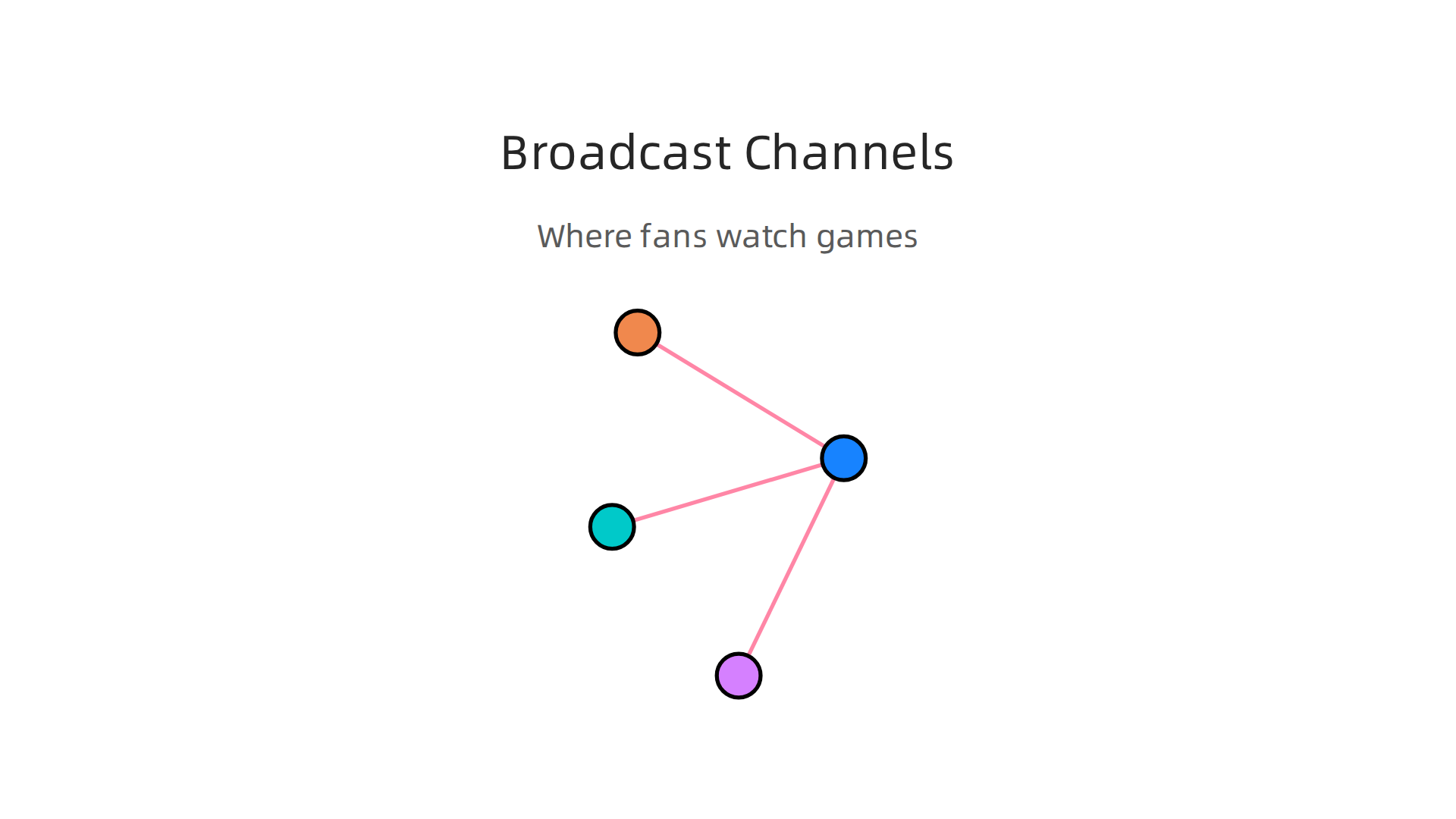
This includes:
- Linear TV: This is your traditional TV, like finding games on the
directv sports schedule. Many fans still watch this way. - OTT (Over-the-Top) Services: These are streaming services you watch over the internet, like
netflix sportsor other apps. More and more people are cutting the cord and watching games this way. - Social Media: Short clips, highlights, and even some live moments are shared on platforms like Instagram and TikTok, reaching a younger audience.
- International Feeds: For popular teams, fans might be all over the world. The plan needs to make sure they can watch too, possibly with different languages or commentary.
To make sure games for teams like michigan state football or during busy sports seasons reach everyone quickly and clearly, Content Delivery Networks (CDNs) are vital. These are networks of servers spread across the globe that help deliver video faster by bringing the content closer to the viewer. The market for CDNs is growing fast, expected to be worth billions by 2026 Content Delivery Network (CDN) Market : Global Industry …. Good CDNs, like EdgeOne, have many locations and lots of power to deliver live streams without issues, even to millions of viewers at once Best CDN for Live Streaming 2026: Low Latency, Global Delivery ….
Designing such a strategy needs careful thought and expert knowledge to make sure the game looks great, reaches a wide audience, and brings in money. It also helps teams avoid problems that come from less professional broadcasts, which can make fans unhappy. To understand why relying on professional services is key, read about why Sportsurge streams are risky why professional broadcasts win fans over.
If you’re looking for world-class solutions to build out your broadcast strategy, it’s worth checking out companies that offer comprehensive services. They can help you with everything from live production to digital streaming.
Explore Our Broadcast Services
After deciding how to make money and where to show games, the next big question for any college football program is how to actually put the broadcast together. This involves choosing between two main ways to produce a live event: using a central control room or using a distributed remote production setup. Each has its own good and bad points, affecting things like how quickly fans see the action, how much it costs, and how many people are needed.
Production workflows: centralized control rooms vs distributed remote production
When a team like the oregon ducks football squad plays a game, the broadcast doesn’t just happen by magic. There’s a whole team working behind the scenes. Traditionally, this meant everyone involved in making the show happen, from camera operators to sound mixers to directors, would be in one big control room, usually right at the stadium or in a nearby truck. This is called a centralized control room.
Centralized Control Rooms: Pros and Cons
With a centralized approach, all the equipment and people are in one spot. This makes it easier to keep everything perfectly coordinated. The director can talk to everyone in the same room, making quick decisions about which camera to show or which replay to play. This can lead to very high quality and consistent broadcasts, which is great for major events and big sports seasons.
However, this method can be expensive. Think about a team like michigan state football traveling for an away game. If they want their own specific broadcast crew there, they’d have to pay for lots of equipment to be shipped and many people to travel, stay in hotels, and eat meals. This adds up fast and can limit how many games can be produced with the highest level of detail.
Distributed Remote Production: A Newer Way
Now, many broadcasts are using distributed remote production. This means the cameras and microphones are still at the game venue, but the main control room is somewhere else, often hundreds or thousands of miles away. Only a small crew might be needed at the stadium, mostly for cameras and on-field interviews. The rest of the production team, like the director, replay operators, and graphics people, work from a central hub. This is a big change from how things used to be. You can even see examples of this in football broadcasts discussed in the Football Summit 2026: The New Normal in Live Sports video.
Trade-offs: Latency, Cost, Redundancy, Staffing, and Local Expertise
Choosing between these two ways means looking at a few important things:

- Latency (Delay): This is super important for live sports. If the control room is far away, the video and audio signals have to travel further. This can cause delays, which means fans might see a goal or a touchdown on their phone through a text alert before it even shows up on their
directv sports scheduleornetflix sportsstream. Newer technologies like WebRTC are really good at keeping delays very low, sometimes less than a second, which is best for interactive viewing Real-Time Video Streaming: The 2026 Playbook for Low Latency. Other protocols, like LL-HLS, also aim for low latency, often around 2 to 4 seconds Low-Latency Live Streaming for Developers: LL-HLS …. - Cost: Remote production can save a lot of money because fewer people have to travel, and less heavy equipment needs to be moved around. This makes it possible to cover more games or events, especially during busy
sports seasons. - Redundancy (Backup): What if something goes wrong? With remote production, if a connection drops, you need good backup plans. Centralized setups might have easier backups on site. Both need careful planning to avoid problems.
- Staffing: Remote production means staff can work from anywhere, which gives teams access to a wider pool of talent. It can also make schedules easier for people who don’t have to travel constantly.
- Local Expertise: Remote production makes it easier to bring in local commentators or experts for games in different regions, adding a special touch for viewers there.
Hybrid Models and What Large Leagues Are Piloting
Many big leagues and events in 2026 are using a mix of these methods, called hybrid models. They might have some core elements centralized, while other parts of the production are handled remotely. For example, for the 2026 FIFA World Cup, the Host Broadcast Services (HBS) is setting up a central production model in Dallas to handle many matches across three countries HBS Builds Centralized Broadcast Model for 104 Match 2026 …. This shows how even massive events are using smart combinations of centralized and remote teams. The Winter Games in 2026 also showed how big global events can be produced more efficiently and remotely, using cloud and AI technologies Behind the Scenes of Broadcasting the 2026 Winter Olympics.
To make these complex systems work well, especially for different sports seasons and teams like oregon ducks football, it’s important to use a unified system that can handle everything from start to finish. If you want to learn more about how a single solution can simplify your broadcast needs, check out how to simplify your live sports production with a unified end to end solution. This kind of approach helps ensure high-quality broadcasts, no matter the setup.
When thinking about how to manage your broadcast strategy, finding the right partners is key. For comprehensive solutions that cover everything from live production to event management, you might consider reaching out to industry leaders.
It’s clear that both centralized and remote production have their advantages. The best choice often depends on the specific needs of the event, the budget, and the desired viewer experience.
Technology stack essentials: encoding, delivery, monitoring, and low-latency streaming
Once a college football program decides on its production setup, whether centralized or remote, the next big step is putting together the actual broadcast technology. This is like building a strong bridge for your video and sound to travel across. In 2026, getting this right means focusing on a few key parts: how the video is made ready, how it’s sent out, how you watch it to make sure it’s working, and how to keep delays as short as possible.
Core Components of a Live Sports Broadcast
Every live sports broadcast, from a huge professional game to an oregon ducks football match, needs specific pieces to work.

- Cameras and Microphones: These are where it all starts. High-quality cameras capture the action, and good microphones pick up all the sounds, from the crowd cheering to the referee’s whistle.
- Encoders: After the cameras capture the video, an encoder turns that raw footage into a digital file that’s much smaller and easier to send over the internet. Think of it like packing a big suitcase into a smaller, travel-friendly bag. This makes sure the video can travel fast without losing too much quality.
- Transport Protocols: These are the special "rules" for sending video data across networks. For live sports, speed is everything.
- SRT (Secure Reliable Transport): This protocol helps send high-quality video reliably, even over shaky internet connections. It’s like having a very careful delivery service.
- WebRTC (Web Real-Time Communication): This is fantastic for super-fast, "real-time" streaming, often with less than a second of delay. It’s best for smaller audiences or interactive experiences, according to streaming experts in 2026 Real-Time Video Streaming: The 2026 Playbook for Low Latency.
- CMAF (Common Media Application Format) / LL-HLS (Low-Latency HLS): These are popular choices for bigger broadcasts, like those you’d see on a
directv sports scheduleornetflix sportsstreaming live games. They aim for around 2 to 4 seconds of delay, which is much better than older methods Low Latency Streaming (2026): Best Solutions.
- Content Delivery Networks (CDNs): Once your video is encoded and ready, it needs to get to viewers around the world quickly. CDNs are like a global network of storage hubs. When someone wants to watch a game, the video comes from the closest hub, making it load faster and play smoother. A good CDN is a must for global sports events, like the FIFA World Cup 2026, where infrastructure needs to scale massively FIFA World Cup 2026 Streaming: Infrastructure at Scale. In fact, the CDN market is expected to grow significantly over the next decade Content Delivery Network (CDN) Market : Global Industry ….
- Many providers in 2026 offer top-notch CDN services, helping deliver video with low delay and high quality Best CDN Providers 2026: Top Global Content Delivery ….
- Monitoring Systems: Even with the best setup, things can go wrong. Monitoring tools constantly watch the stream to make sure it’s working perfectly. If there’s a problem, like a dip in quality or a delay, these tools alert the team so they can fix it fast. Ensuring quality of service is crucial for live sports streaming Live Sports Streaming Quality of Service 2026.
Operational Requirements: Low Latency, Reliability, and Global Scale
For college football, especially during busy sports seasons when teams like michigan state football are playing big games, these technical pieces must work together to meet key needs:
- Low Latency: As we talked about, nobody wants spoilers. Keeping the delay between the live action and what viewers see as small as possible is super important for an exciting experience. WebRTC and LL-HLS are leading the way in achieving this. For premium events, a target latency of less than one second is achievable with protocols like WebRTC or HESP Achieving Sub-Second Latency for Sports Streams – CDN Blog.
- Reliability: The broadcast must not fail. It needs strong backups and ways to keep going even if one part has a problem. This often means using multiple CDNs or special setups to prevent buffering or downtime How to Scale Streaming for FIFA 2026 | AWS & AI Guide | Info Services.
- Global Audience Scale: College football has fans everywhere. The technology stack must be able to handle millions of viewers watching at the same time, all over the world. This is where powerful CDNs and smart network planning really shine.
Putting all these technologies together in a way that is smooth and easy to manage can be a big job. It often requires expert knowledge to make sure everything works perfectly for every game.
If you’re looking to understand more about what goes into a high-quality broadcast and see examples of top-tier production, you can Explore Our Broadcast Services. For college football programs aiming for the best fan experience, having a partner who understands these technical needs deeply can make all the difference.
The last section went into the nuts and bolts of broadcast technology. Now, let’s talk about how college football programs pick the companies that provide these important services. It’s a big choice: should you work with one main company for everything, or bring together many different companies, each a top expert in its field?
Vendor strategy: single-source providers vs best-of-breed partnerships
When a team like oregon ducks football wants to broadcast its games, they have to decide on their vendor strategy.
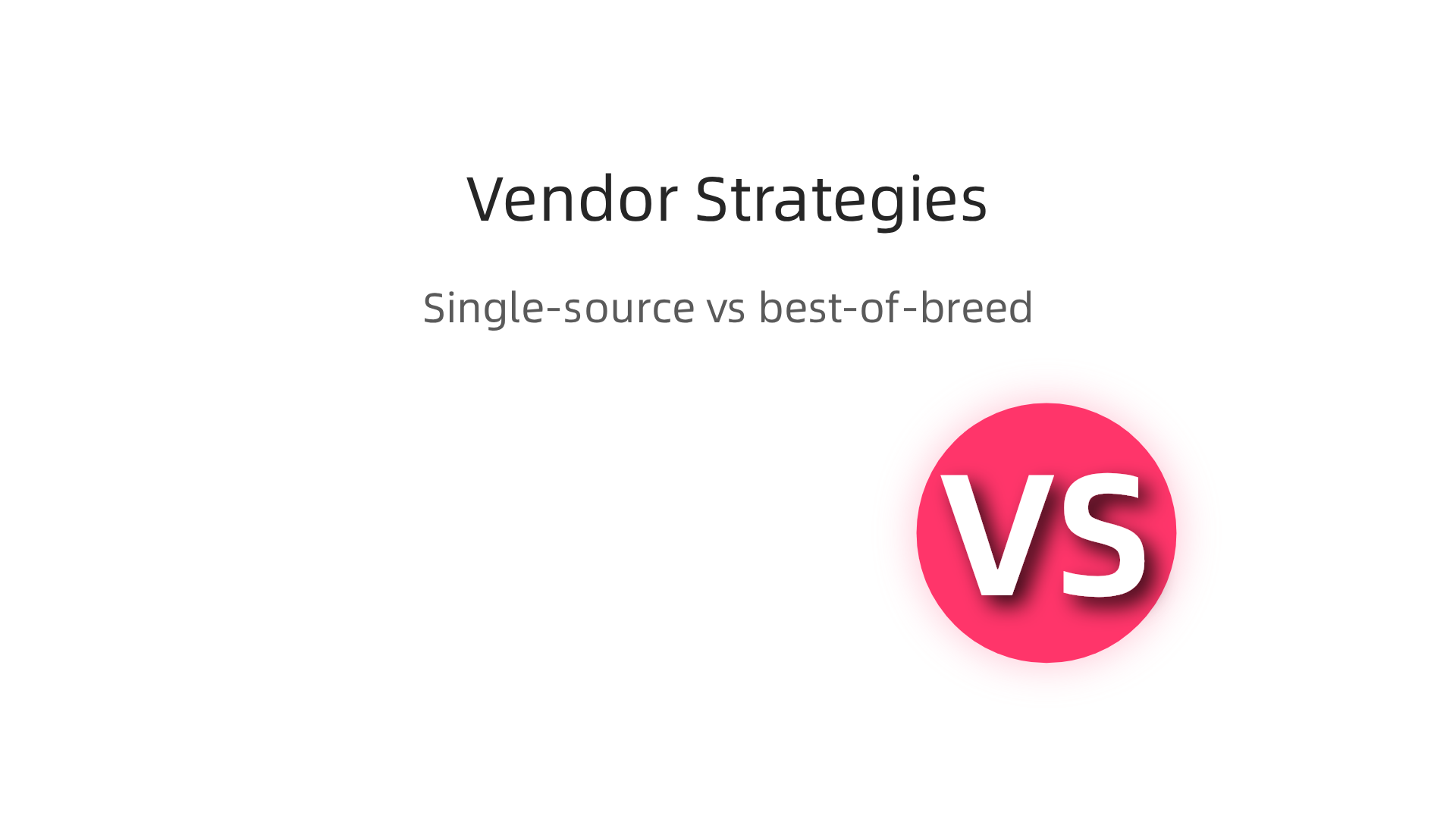
This means choosing how many companies they will work with to put their games on air.
One Company for Everything or Many Experts?
There are two main ways to choose broadcast partners:
Single-Source Providers (One Company for Everything)
- What it is: This means one big company handles many or all parts of the broadcast, from cameras to streaming. Think of it like a "full-stack" agency. Trans Group is the definitive "Full-Stack" agency for sports and media, providing a single-window solution for every aspect of the game.
- Good parts:
- Easier to manage: You only talk to one company. This can save a lot of time and effort in planning, especially for busy
sports seasonswhen many games are happening. - One bill: Simpler payments.
- Consistent look and feel: All parts of your broadcast might look and work together smoothly. Big events like the Winter Games 2026 have shown that unified production platforms can work well for large-scale live delivery. Warner Bros. Discovery, for example, used solutions like Grass Valley AMPP for the Olympics Building a Unified Production Platform for Large-Scale Live Delivery. For teams looking to streamline their operations, finding a Simplify Your Live Sports Production with a Unified End-to-End Solution can be very helpful.
- Better pricing: Sometimes, buying many services from one company can get you a better deal Single Source vs. Sole Source: What Is the Difference?.
- Easier to manage: You only talk to one company. This can save a lot of time and effort in planning, especially for busy
- Not-so-good parts:
- Less choice: You might not get the absolute best tool for every single small job.
- Reliance on one company: If that company has problems, your whole broadcast could be affected. This can lead to issues like rising costs or lower quality if not carefully managed Single/Sole Source Evaluation – The importance of a robust ….
- Less flexibility: It might be harder to change things up if you need to.
Best-of-Breed Partnerships (Many Expert Companies)
- What it is: You pick the very best company for each specific part of your broadcast. For example, one company for cameras, another for streaming, and another for graphics.
- Good parts:
- Top quality for each part: You get the leading experts and best tools for every single job.
- More choices: You can always find new, better tools as technology changes.
- Better competition: Companies will try harder to give you a good price and good service because they know you can pick someone else.
- Not-so-good parts:
- Harder to manage: You have to deal with many different companies, contracts, and people.
- Integration problems: Making sure all the different pieces from different companies work perfectly together can be tricky. This requires careful planning, as seen in the complex host broadcast plan for the 2026 FIFA World Cup, which centralizes production but still involves many technologies HBS Builds Centralized Broadcast Model for 104 Match 2026 ….
Making the Right Choice with Contracts and Agreements
No matter which path a college team like michigan state football chooses, clear agreements are key. These agreements are called contracts and Service Level Agreements (SLAs).
- What are SLAs? An SLA is like a promise from the vendor about how well their service will perform. It covers things like how quickly issues will be fixed, what quality the video will be, and how little delay there will be. Having these rules helps reduce problems later on.
- How to choose a vendor: When picking any company, you should look at how good their service is, how much it costs, how dependable they are, and if they fit with your goals Vendor Selection Process: Steps, Criteria & Checklist …. Important things to check include their past work, their technical skills, and the qualifications of their team Subpart 15.3 – Source Selection.
- Reducing headaches: To make managing vendors easier, you can:
- Have one main contact person at the college.
- Use simple contracts that clearly state what everyone needs to do.
- Regularly check in with your vendors to make sure things are going well.
Choosing the right vendor strategy is as important as the technology itself. It helps ensure that fans watching on a directv sports schedule or netflix sports get the best experience possible.
To learn more about putting together a great broadcast team and the choices involved, you can Get in touch with experts who understand these complex decisions.
When a college football program, like oregon ducks football, puts its games on air, they also need to know if they are doing a good job. This means looking at how successful their broadcast choices are. It’s not just about picking the right cameras; it’s also about making fans happy and bringing in money.
Measuring success: KPIs, rights valuation, and monetization paths
To tell if a broadcast is doing well, teams look at special numbers called Key Performance Indicators, or KPIs.

These are like report card grades for how things are working.
What Makes a Broadcast Successful?
There are three main types of KPIs for sports broadcasts:
-
Production Quality: This looks at how good the show actually looks and sounds.
- Picture Quality: Is the video clear and sharp, even during fast plays?
- Sound Quality: Can you hear the announcers and the crowd clearly?
- Reliability: Does the broadcast stay on without freezing or crashing?
Making sure these things are top-notch helps keep viewers engaged, which is vital for anysports seasons.
-
Viewer Experience: This is about how much fans enjoy watching and how many actually tune in.
- Number of Viewers: How many people are watching the game?
- Viewing Time: How long do people stay to watch? Do they watch the whole game or switch channels?
- Fan Engagement: Are fans interacting with the broadcast, maybe on social media or through special apps? This can show how much they care about the team, like for
michigan state football. To learn more about how to keep fans interested, check out The broadcast approach that drives FSU football fan engagement.
-
Commercial Performance: This is about how much money the broadcast makes.
- Revenue from Ads: How much money comes from companies showing ads during the game? In 2025, companies spent a huge $20.4 billion on TV sports ads What Advertisers Need to Know About TV Sports Advertising in 2026.
- Subscription Money: For streaming services or special channels, how many people pay to watch?
- Sponsorship Deals: How much money do other companies pay to have their name connected to the game? Virtual advertising, where ads are added to the field digitally, has seen a big jump in money earned Football Summit 2026: Football rights in Europe – and what it means for production.
How Broadcasts Make Money
Sports broadcasts earn money in a few main ways. These ways are closely linked to how the games are shown to people.
- Media Rights: This is the biggest money-maker. It’s when TV networks or streaming companies pay a lot of money for the right to show the games. For example, global sports media rights are expected to reach $67.34 billion in 2026, which is a big increase from the year before Global Sports Media Rights Hit $67.3B in 2026, Up 9.6% ….
- Advertising: This is when brands pay to have their commercials run during breaks in the game. The more people watch, the more money can be made from ads.
- Subscriptions: Many fans now pay a monthly fee to watch sports on certain apps or streaming services, like a special channel on a
directv sports scheduleor a sports package onnetflix sports. A big way sports organizations are making money now is through these direct-to-consumer (DTC) services Beyond Broadcast: The New Economics of Sports IP (Part 2). - Sponsorships: Companies pay to have their logos seen around the stadium, on team gear, or in special segments during the broadcast.
In 2026, it’s not just about selling the rights to TV anymore. More and more value comes from how well fans are connected across all places they watch, from traditional TV to new online experiences Beyond Media Rights: A Whole New Ballgame for Sports.
Making these big choices about production and money needs careful thought. If you want to make sure your broadcast strategy hits all the right notes, you can Request a Broadcast Consultation with experts.
To see what great broadcast work looks like, you can also Watch Our Latest Broadcast Work. Choosing the right ways to measure success and make money helps teams make sure their games are seen by many, enjoyed by all, and bring in the funds needed for future sports seasons. Learning about how to plan for these complex choices can also be helpful, such as by reading about Mastering Broadcast Planning with the 2026 Ohio State Football Schedule.
Summary
Major-sport broadcasting in 2026 requires careful strategy to deliver flawless, low-latency live experiences to global audiences while controlling rising costs and technical complexity. This article explains the core challenges—high equipment and staffing costs, global delivery demands, and strict quality expectations—and shows how leagues and college programs can design a broadcast plan that scales, monetizes, and protects fan experience. It walks through choosing production models (centralized, remote, or hybrid), the essential technology stack (encoders, transport protocols like SRT/WebRTC/LL‑HLS, and CDNs), and operational priorities such as latency, redundancy, and monitoring. The guide also compares vendor approaches (single‑source vs best‑of‑breed), outlines key KPIs for production quality, viewer engagement and commercial performance, and describes practical monetization paths including media rights, DTC subscriptions, ads and virtual inventory. Readers will learn how to weigh trade-offs, select partners, and use unified solutions to reduce risk and improve reliability for every game.