






The demand for live sports has never been higher. Every week, millions of fans want to watch their favorite teams in real time, from big events like college football to local rivalries. The global sports streaming market has exploded to meet this hunger. In fact, the sports streaming platform market was valued at nearly $34 billion in 2025 and is expected to keep growing fast over the next decade, according to a Sports Streaming Platform Market Industry Report for 2030.
But here’s the reality: not every fan can easily find a legal, affordable way to watch every game. That’s why so many people look for unauthorized options, often through sites offering sportsurge streams. These streams promise quick access to big matchups like BYU football, Auburn football, or other top games, but they come with real downsides. The video quality is often poor, the stream may cut out at the worst moment, and you risk exposing your device to malware.

On top of that, these unauthorized streams hurt the leagues and broadcasters who rely on fair revenue to keep delivering the sport we love.
The real answer isn’t to chase risky free streams or even a temporary ESPN trial. Instead, sports organizations need professional broadcast solutions that deliver the reliability and scale fans demand while protecting their content. That’s where end-to-end production partners come in. For example, working with a team that offers a simplify your live sports production with a unified end-to-end solution can help leagues and event organizers reach global audiences with consistent, high-quality streams that rival any illegal option. Fans get the seamless experience they crave, and rights holders protect their value.
If you are responsible for broadcasting major sports events, it is time to rethink your strategy. Learn More About TPT Global and see how a professional broadcast partner can turn the challenge of live streaming into your biggest advantage.
The Rise of Unauthorized Streams and the Need for Official Broadcasts
Despite the risks, sportsurge streams and sites like root sports stream still pull in millions of viewers. The 2026 Global Sports Industry Outlook notes that digital piracy remains a major challenge for sports organizations. Fans watching BYU football or Auburn football on unauthorized feeds miss out on reliable quality, and rights holders lose revenue.
Instead of chasing a short ESPN trial, leagues need professional broadcast solutions. A partner like TPT Global offers the reliability that illegal streams cannot match. Understanding how the ESPN Wide World of Sports complex sets the standard shows what official production can deliver. Protect your content and your fans. Explore Our Broadcast Services today.
Understanding the sportsurge streams Phenomenon
Why do millions of fans still turn to sportsurge streams in 2026? The answer comes down to three big pain points: cost, access, and convenience.
sportsurge streams and similar pirate networks like root sports stream work by pulling live links from unofficial sources. Fans searching for BYU football or Auburn football often land on these sites because the official options feel too expensive or blocked by regional blackouts. A quick ESPN trial may help for a week, but it does not solve the long-term gap.
The numbers show this is a real issue. The Sports Streaming Platform Market Size, Share, Forecasts To 2033 report projects the global market will grow from $32.43 billion in 2023 to over $108 billion by 2033. That massive demand tells you fans want live sports. They just do not always have a good legal path to watch.
Here is the catch with pirate streams, though. The quality is all over the place. Buffering hits at the worst moments, and security risks lurk in those shady pop-up ads. You trade reliability for access, and you often lose both.
Official broadcasters can solve this by making their content easier to reach and more affordable. A professional approach that mirrors what TPT Global offers helps leagues simplify live sports production with a unified solution and deliver a smooth experience that makes piracy less tempting.
Ready to build a better broadcast that fans will actually choose? Request a Broadcast Consultation and start closing the gap between demand and delivery.
The Benefits of Authorized Global Streaming
So what makes an official stream better than a risky pirate link? A lot, actually.
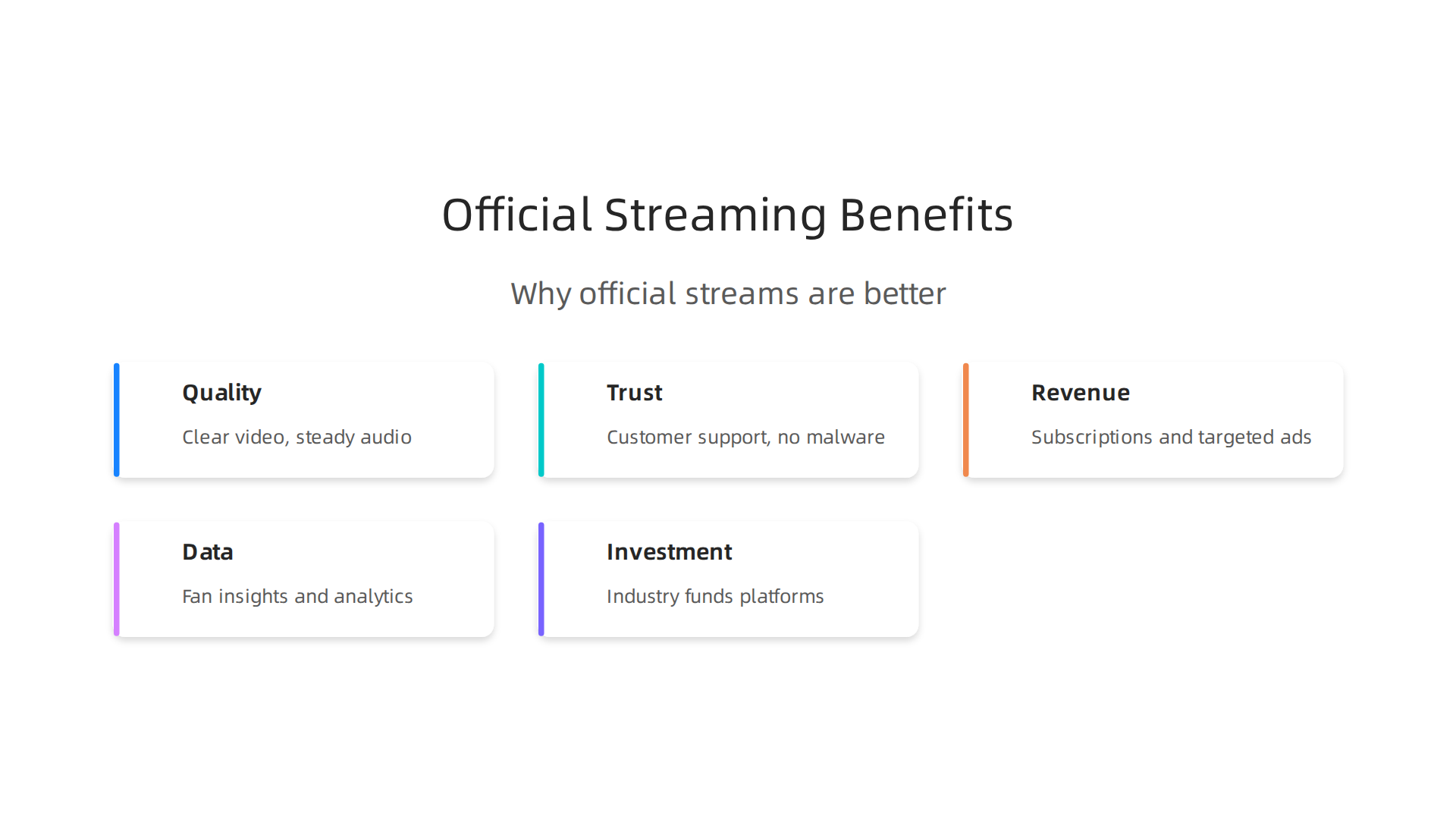
First, the quality is night and day. Official broadcasts use professional equipment and reliable infrastructure. You get clear video, steady audio, and no buffering at the worst moment. Many services also offer extra features like multi-camera angles and instant replays. That is the kind of experience fans of BYU football or Auburn football deserve.
Second, you get trust and support. If something goes wrong, you can contact customer service. No shady pop-ups, no malware risks. Just a clean, safe viewing experience.
For rights holders, authorized streaming opens up real revenue. They can earn through subscriptions, targeted ads, and valuable data about what fans watch. This money helps improve the product even more.
The market agrees. According to the 2026 Global Sports Industry Outlook from Deloitte, the industry is investing heavily in digital platforms and fan experiences. Official streaming is the future.
Broadcasters who invest in professional production see the payoff. Check out how one major program uses a smart broadcast approach that drives FSU football fan engagement to keep audiences coming back.
Ready to offer your fans a premium experience that beats any sportsurge streams alternative? Explore Our Broadcast Services and see what professional production can do for your brand.
Technical Complexity in Global Multi-Platform Distribution
But behind the scenes, delivering that premium experience across every platform is a major technical challenge.

Distributing live sports simultaneously to OTT apps, broadcast TV, and mobile devices requires rock-solid infrastructure. You need consistent quality, ultra-low latency, and the ability to scale instantly when millions tune in.
Latency is especially tricky. Fans hate hearing their neighbor cheer before they see the play. Getting low latency right for global live sports is a well-known hurdle that top broadcasters work hard to solve. On top of that, juggling multiple vendors for different parts of the distribution chain adds risk and complexity.
That is why many sports organizations choose a unified end-to-end solution for live sports production. It simplifies workflows and keeps quality high across every outlet. Even global federations like the International Cricket Council rely on robust streaming setups to reach fans worldwide.
Ready to overcome these technical hurdles and deliver flawless sportsurge streams alternatives? Get in touch with our team to discuss your distribution needs.
Bandwidth, Latency, and Quality Control
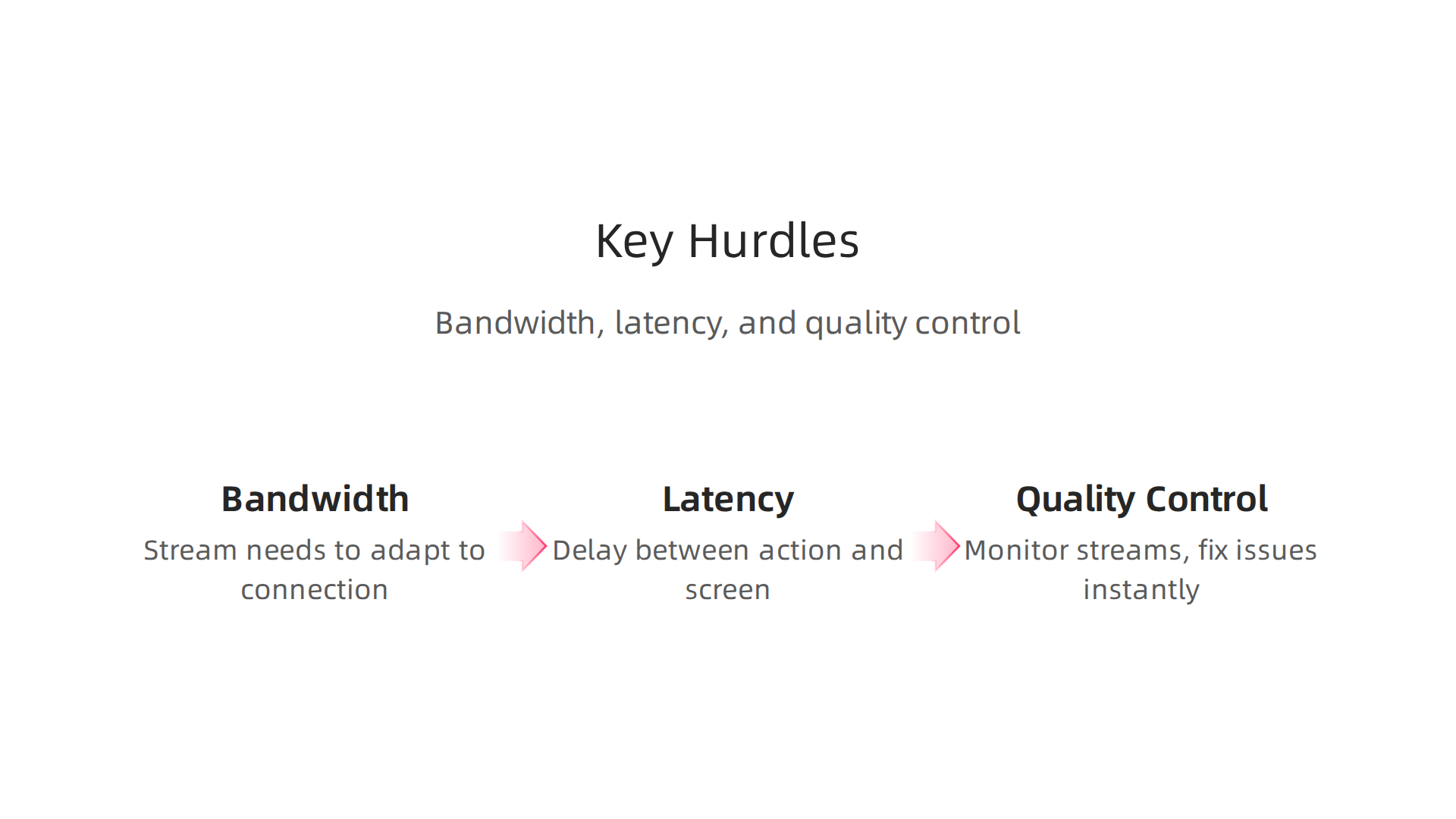
Even after you solve the big technical puzzle of multi-platform distribution, three smaller hurdles can still trip you up: bandwidth, latency, and quality control.
They might sound technical, but they directly affect how much your audience enjoys the game.
Bandwidth is simply the speed of a viewer’s internet connection. In some countries, fans have lightning-fast fiber. In others, they rely on slower mobile data. To reach everyone, your stream needs to adapt. That is why adaptive bitrate streaming is so important. It automatically adjusts the video quality so no one gets stuck buffering.
Then there is latency. This is the delay between the live action and what fans see on their screens. Even a delay of a few seconds can ruin the experience. Imagine watching a root sports stream while your neighbor is already cheering the result. For fans glued to online sports streams, this is a dealbreaker. That is why broadcasters are investing heavily in lower latency. As noted in Why to Invest in Lowering Sports Streaming Latency in 2026, the race to close this gap is on.
Real-time quality control ties everything together. It lets broadcasters monitor every stream and fix issues instantly. Whether a viewer is looking for a reliable sportsurge streams alternative or tuning into a massive game like auburn football, they expect a perfect picture and instant play.
Managing all these factors alone is tough. That is why many teams partner with experts who can simplify live sports production and handle the heavy lifting. From meeting international cricket broadcasting standards to delivering high-octane games, getting bandwidth, latency, and quality right is non-negotiable for modern sports broadcasting.
See how professional production quality can transform your streams. Explore Our Broadcast Services to view our work and capabilities.
If you are planning a major event and need flawless global distribution, let us help. Request a Broadcast Consultation to start the conversation.
Integrating Legacy and Digital Platforms
Many broadcasters today face a split workload. They still feed traditional satellite and cable networks while also serving digital OTT platforms. The tools for playout, transcoding, and content management often run on separate systems. This fragmentation leads to delays, higher costs, and quality issues that frustrate fans.
The answer is a unified orchestration layer. This central system connects all the pieces into one smooth workflow. Whether you are distributing a root sports stream to cable or offering a sportsurge streams alternative on mobile, a single platform handles both paths. The industry is moving toward low latency streaming technology for global sports that makes this integration easier than ever before.
Major venues like the ESPN Wide World of Sports Complex set clear standards for sports broadcasting across both old and new platforms. The same integrated approach works for byu football games and auburn football matchups alike. Even if a viewer starts with an espn trial, the quality should match traditional TV.
Trans Group is the definitive full-stack agency for sports and media, providing a single-window solution for every aspect of the game. They bridge the gap between legacy and digital delivery, so your content reaches every screen without compromise.
Cost Optimization Through Vendor Consolidation
Managing multiple vendors for production, encoding, and delivery inflates costs fast.

A single-window approach cuts overhead, simplifies contracts, and improves accountability. The 2026 World Cup is already redefining the economics of live sports production, pushing broadcasters to consolidate. This same mindset works for any sportsurge streams alternative or traditional broadcast. An end-to-end platform eliminates the fragmented vendor sprawl that eats into budgets. To see how a unified solution lowers your costs, Learn More About TPT Global.
Reducing Operational Overhead
Running separate equipment and teams for each vendor creates a lot of waste. You pay for duplicated gear, extra staff, and more time spent fixing handoff errors. A unified production model changes that. Standardized workflows mean fewer people touch each piece of content, so mistakes drop and delivery speeds go up. This is one of the major trends reshaping the industry in 2026, according to recent analysis from LiveU.
Cloud-based production also helps you skip buying expensive on-site hardware. Instead of owning servers and switchers at every venue, you share a virtual infrastructure that scales up or down with each event. That alone can cut your capital spending by a meaningful amount.
The bottom line is simple. Less duplication, fewer errors, and lower hardware costs add up fast. If you want to see how a single end-to-end system can simplify your day-to-day operations, Request a Broadcast Consultation. For a deeper look, read about how the ESPN Wide World of Sports complex sets the standard for modern sports broadcasting.
Single-Window Solutions for Production
Juggling multiple vendors for each part of a live broadcast wastes time and money. That is why more organizations now choose a single-window provider. One company manages everything from pre-production to global distribution. You eliminate the coordination overhead that comes with different teams handling separate pieces. Brand and technical standards stay consistent across every platform.
The sports broadcasting technology market is growing rapidly. According to sports broadcasting technology market research, the global market is expected to hit $154.53 billion by 2035. That growth pushes broadcasters to find efficient solutions. A single-window provider lets you scale resources up or down per event. Whether you need a root sports stream for a regional audience or coverage of an international tournament, your partner adjusts capacity without renegotiating contracts.
Fans chasing sportsurge streams often end up with poor quality and buffering. Official broadcasts produced through a unified provider deliver the high-resolution, low-latency experience viewers expect. If you produce a BYU football game one week and an Auburn football game the next, a single partner simplifies the entire workflow.
To see how a unified production model can work for your next event, Explore Our Broadcast Services. You can also read more about the benefits of a single end-to-end approach in this comprehensive production guide.
Ensuring Broadcast Quality and Low Latency
Fans who search for sportsurge streams expect instant, high-quality action. Low latency keeps viewers engaged from the first play to the final whistle. Technologies like SRT and WebRTC now make near real-time global delivery possible. According to research on lowering sports streaming latency in 2026, investing in lower latency directly improves fan retention. The same quality standards that drive FSU football fan engagement apply to any live event. Even international cricket relies on low-latency protocols to meet global viewer expectations, as seen in ICC cricket broadcasting standards. Consistent quality across devices requires adaptive bitrate strategies tailored to each connection. To see production quality in action, Watch Our Latest Broadcast Work.
Getting the latency down is only half the fight. The actual picture quality your audience sees depends on your encoding standards and adaptive bitrate strategy.
Encoding Standards and Adaptive Bitrate
Choosing the right streaming standard is the first big decision. HLS and MPEG-DASH are the most common options, but the Common Media Application Format (CMAF) is quickly becoming the go-to for low latency live sports. Industry research on CMAF and low latency standards shows how these tools help keep streams perfectly in sync across billions of devices.
Adaptive bitrate (ABR) algorithms also play a huge role in the viewer experience. They automatically adjust video quality based on each fan’s internet connection. A well tuned ABR ladder prevents buffering during the biggest plays of an Auburn football game or a BYU football matchup. This keeps the action smooth for everyone, which matches the principles found in guides on preparing streaming infrastructure for big events.
Modern codecs like HEVC and AV1 deliver stunning 4K clarity without using as much bandwidth. Platforms aiming for top-tier quality rely on these codecs to maximize reach. For fans accustomed to finding sportsurge streams, the difference between a pixelated buffer-fest and a crisp broadcast comes down to these technical choices. Getting your encoding right from start to finish is much easier when you simplify your live sports production with an end-to-end solution.
Our team can help you navigate these standards. Explore our broadcast services to see how professional encoding can elevate your live sports production. If you are ready to improve your stream quality, you can request a broadcast consultation to discuss your specific needs.
Global Content Delivery Networks
Once your encoding produces crisp video, the next challenge is moving that video to millions of screens at the same time. That is where a content delivery network (CDN) does the heavy lifting. A well-architected CDN places servers around the world so your stream travels a short distance to each viewer. This cuts lag dramatically. The approach relies on the same global distribution strategies discussed in a detailed look at getting low latency right for global live sports.
Edge computing takes this even further. Instead of sending every request back to a central server, edge nodes process data closer to your audience. Multi-CDN setups add another layer of safety. If one network gets overloaded during a big play, traffic shifts seamlessly to another. This keeps streams stable even when millions tune in for an Auburn football game or a BYU football matchup. For fans searching for sportsurge streams, this reliability is the difference between watching the winning touchdown and staring at a spinning wheel.
Where you place your origin servers matters too. Setting them near your biggest viewer populations cuts round-trip time significantly. This is especially important for time-sensitive events like live betting, where being even a second behind can frustrate fans trying a root sports stream or an espn trial. The broadcast approach that drives FSU football fan engagement shows how smart CDN routing keeps audiences happy. Understanding these infrastructure choices is key to delivering a great experience. Why Choose TPT Global to learn how our CDN strategy keeps your stream reliable and fast.
Adopting Emerging Technologies in Sports Streaming
Reliable delivery is only part of the picture. How you produce the stream matters just as much. Cloud production and remote integration (often called REMI) are changing the game for live sports. These technologies let you run a full broadcast from a control room miles away from the stadium. No need for huge crews at every game. This cuts costs and speeds up time-to-air. Next-generation codecs also help by squeezing high-quality video into smaller files without losing clarity. Early adopters of these tools gain a real edge in fan experience. One recent article explains exactly how cloud production multiplies a single live event across platforms. If you are ready to simplify your whole workflow, check out our guide to simplify your live sports production with a unified end-to-end solution. These emerging technologies are why fans searching for sportsurge streams keep coming back for quality. Want to see cloud production in action? Watch Our Latest Broadcast Work to spot the difference.
Cloud Production and Remote Integration
Cloud production tools let your team work from anywhere. Your operators control cameras, graphics, and replays from a central hub without traveling to every venue. This cuts travel costs and lets you cover more games with fewer people. Once your cloud setup is running, you can also apply advanced video editing techniques for live sports production to polish your content fast.
Remote integration pulls feeds from many venues into one production. Switch between an auburn football game and a byu football matchup from a single console. Whether you deliver a root sports stream or monitor an espn trial feed, the workflow stays clean and simple.
Scalability matches your event size. A championship game needs more power than a regular season match. You pay only for what you use. Many experts agree that cloud production is the game-changer sports broadcasting has been waiting for. This flexibility is why fans searching for sportsurge streams can always expect consistent high quality.
To see how remote production can work for your next broadcast, Explore Our Broadcast Services.
4K, HDR, and Next-Gen Viewing
Here is the thing about modern fans. They expect more than a clear picture now. They want cinema quality for live events. And that changes everything for sportsurge streams.
4K and HDR content demands higher bandwidth and careful encoding. But the payoff is huge. Viewers stay engaged longer when colors pop and every blade of grass looks sharp. That is why premium sports properties are racing to adopt these formats.
Whether you deliver a root sports stream or test an espn trial, the viewing standard keeps rising. Fans watching auburn football or byu football expect the same crisp quality they get from top streaming platforms. As more broadcasters in 2026 explore how the espn wide world of sports complex sets the standard for sports broadcasting, that expectation will only grow.
Industry leaders tracking Broadcast in 2026: 3 Key Trends Reshaping the Industry confirm that digital-first models and better encoding are making HDR more accessible for live events. So next-gen viewing is no longer optional. It is what keeps fans coming back.
See how high-quality production looks in action and Watch Our Latest Broadcast Work.
Personalized Fan Experiences and Engagement Platforms
Watching a game is no longer a one-way experience. Fans today expect interactivity, personalization, and real-time connection.
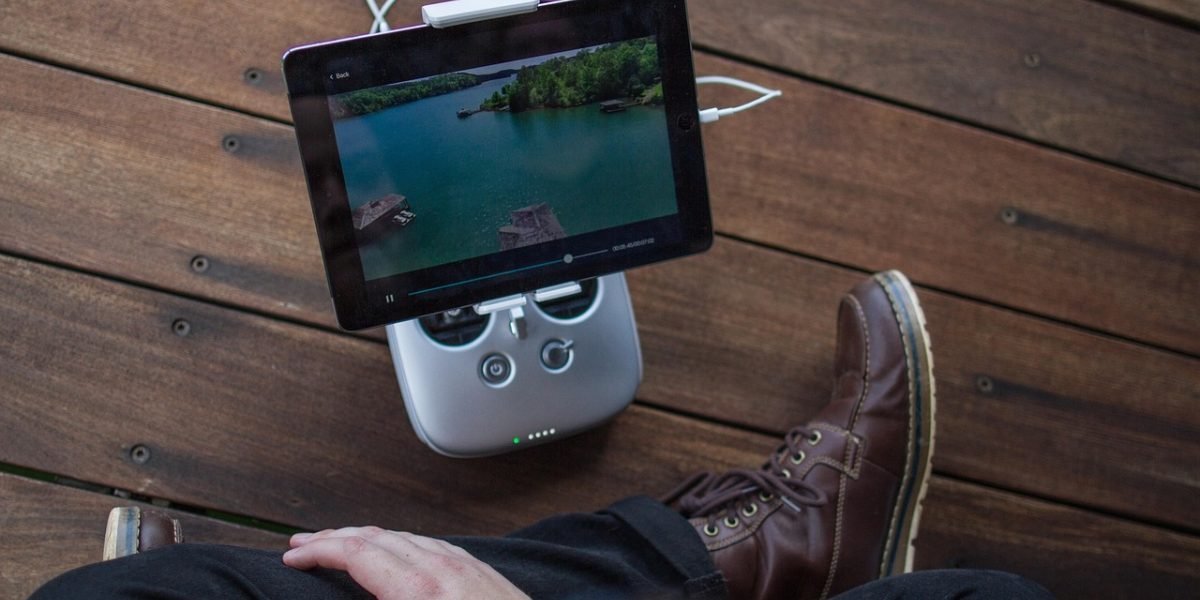
That is why the best sportsurge streams now include features like live polls, personalized highlights, and instant merch drops.
Data from Digital fan engagement in sports, unified ecosystems shows that AI-driven personalization keeps fans engaged longer. Whether you run a root sports stream or promote an espn trial, building interactive moments around auburn football or byu football drives loyalty.
Learn how leading producers boost engagement with the broadcast approach that drives FSU football fan engagement. Ready to raise your fan experience? Get in touch with TPT Global to start building smarter, more engaging broadcasts.
Interactive Features and Second-Screen Experiences
Fans today do not just watch a game. They want to feel part of the action. That is why interactive features like live polls, multi-camera angles, real-time stats, and live chat have become a must-have for any sportsurge streams.
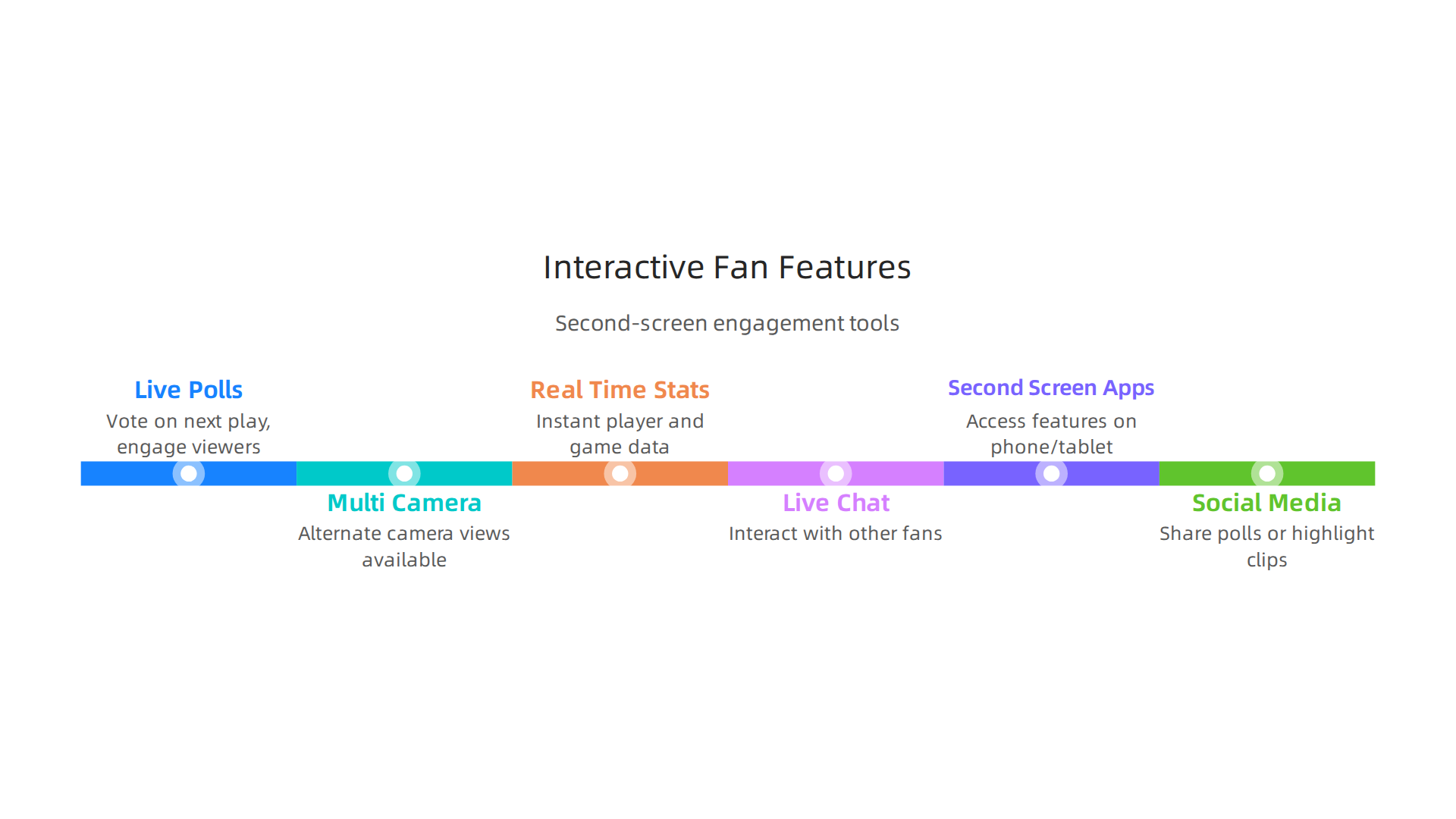
These tools turn a passive viewer into an active participant.
Second-screen apps make this easy. You can open your phone or tablet to vote on the next play, see alternate camera views, or chat with other fans without missing a second of the main broadcast. According to the article on fan engagement in sports streaming mastering audience growth, adding these interactive layers keeps people watching longer and coming back for more.
Social media integration takes it even further. When fans share polls or highlight clips from a root sports stream, they invite their own friends into the experience. That turns an individual watch into a community event, whether you are following byu football or checking out an espn trial.
Building these experiences does not have to be complicated. You can see how a unified production setup helps deliver real-time interactivity by reading about how to simplify your live sports production with a unified end to end solution. Ready to take your fan engagement to the next level? Watch Our Latest Broadcast Work to see interactive production in action.
Data-Driven Content Personalization
Here is where things get really smart. Today’s top sportsurge streams use artificial intelligence to learn what you like and show you more of it. AI watches your viewing habits. It notices which teams you follow, what highlights you replay, and even how long you pause on certain replays. Then it customizes your entire interface around those preferences.
That personalization makes a big difference. When you open a root sports stream and see recommended content about your favorite team right away, you stay longer. You watch more. You come back more often. According to research on Digital fan engagement in sports, unified ecosystems, AI-driven personalization directly builds viewer loyalty and cuts down on people leaving the stream.
Even the ads get smarter. Instead of showing the same commercial to everyone, sportsurge streams can serve ads that actually match your interests. A fan following auburn football might see local merchandise deals. A byu football fan could see ticket offers for the next home game. This approach makes more money for broadcasters without annoying viewers.
Building this kind of personalized experience takes the right production setup. You can see how top broadcasters do it by reading about the broadcast approach that drives FSU football fan engagement.
If you are ready to bring these same personalization tools to your sports streams, Request a Broadcast Consultation to talk with our team about your specific goals.
Conclusion: Building a Trusted Global Sports Streaming Strategy
Putting together a world-class sports streaming operation is no small task. You need to solve piracy problems, keep quality high across different devices, and manage costs that keep climbing. The old way of juggling multiple vendors and outdated equipment just does not cut it anymore.
The answer is a unified approach. By bringing your production under one roof, you remove the headaches of inconsistent quality and high operational costs. You get a reliable system that can handle everything from an auburn football game to a global event like the World Cup. And with modern tools like AI and cloud workflows, you gain a real competitive edge.
The industry is moving fast. According to the 2026 Global Sports Industry Outlook, broadcasters who consolidate their technology stack and adopt digital-first strategies are pulling ahead of the competition. They deliver better experiences and keep fans coming back.
That is exactly why working with a proven partner matters. A team that has done this before can help you launch faster and avoid the painful trial-and-error phase. They bring the equipment, the expertise, and the workflows that guarantee a smooth stream every time.
If you want to Simplify Your Live Sports Production with a Unified End to End Solution, that is the smartest first step you can take.
Then, when you are ready to move forward, Learn More About TPT Global and see how their experience can support your goals. Building a trusted streaming strategy does not have to be complicated. With the right partner, you can focus on what matters most: delivering amazing sports content to fans around the world.
Summary
This article explains why demand for live sports streaming has surged and why many fans still turn to unauthorized options like Sportsurge despite the risks. It covers the technical and business challenges of delivering reliable, low‑latency, high‑quality streams—from encoding, adaptive bitrate and CDN design to cloud production, REMI workflows, and single‑window vendor models. The piece argues that licensed, professional broadcast solutions beat pirate feeds by offering consistent picture quality, security, customer support, and sustainable revenue for rights holders. It also shows how unified end‑to‑end production and vendor consolidation lower costs, simplify operations, and enable advanced features like personalized experiences and 4K/HDR delivery. Readers responsible for event broadcasting will learn how to prioritize low latency, choose encoding standards, scale global distribution, and use cloud tools to reach fans everywhere. The article emphasizes practical steps—consolidate vendors, adopt cloud production, tune ABR ladders, and partner with experienced providers—to make authorized streams the obvious choice for viewers.