


For big companies that broadcast sports, keeping up with college football schedules is a huge job. It’s not just about knowing when a game starts. It’s about making sure everyone around the world can watch it without problems. This means checking game times, making sure broadcasters have the right to show the games, and using the best technology to send the live pictures and sounds.
When you look at big teams like Ohio State, USC, and even growing programs like Texas State football, their game schedules are like puzzles for broadcasters. For example, the 2026 Ohio State football schedule includes a big game against Texas on September 12, and later, a matchup at USC on October 31. Another key game involves USC vs Oregon on November 7. These games are a big part of national sports in America and grab a lot of attention. The Texas State football team also has important games, like playing against Texas on September 5, and then UTSA on September 12, according to their 2026 schedule.
Making sure these games are shown clearly to a global audience needs careful planning.

Imagine trying to broadcast a game happening in Ohio at the same time as another big game with Texas State football. This can be tricky. Broadcasters need to manage all the details, from the early kickoff times of games like Ball State vs. Ohio State on September 5 to later games. Understanding the full schedule, like the Ohio State football 2026 schedule, helps enterprise broadcast teams prepare everything.
This guide will help you understand how to turn these busy college football schedules, including major Ohio football games and thrilling matchups like USC vs Oregon, into a clear plan for your broadcast team. You will learn how to make sure your broadcasts are top-notch and reach fans everywhere. This is important for groups that own the rights to show these games and for the companies that do the actual broadcasting.
To learn more about how we help big companies with these broadcast challenges, you can Learn More About TPT Global. We provide end-to-end solutions for live sports, making sure every game is a success, no matter where it’s shown.
Texas State Football: Season Schedule, Broadcast Windows and Rights Landscape
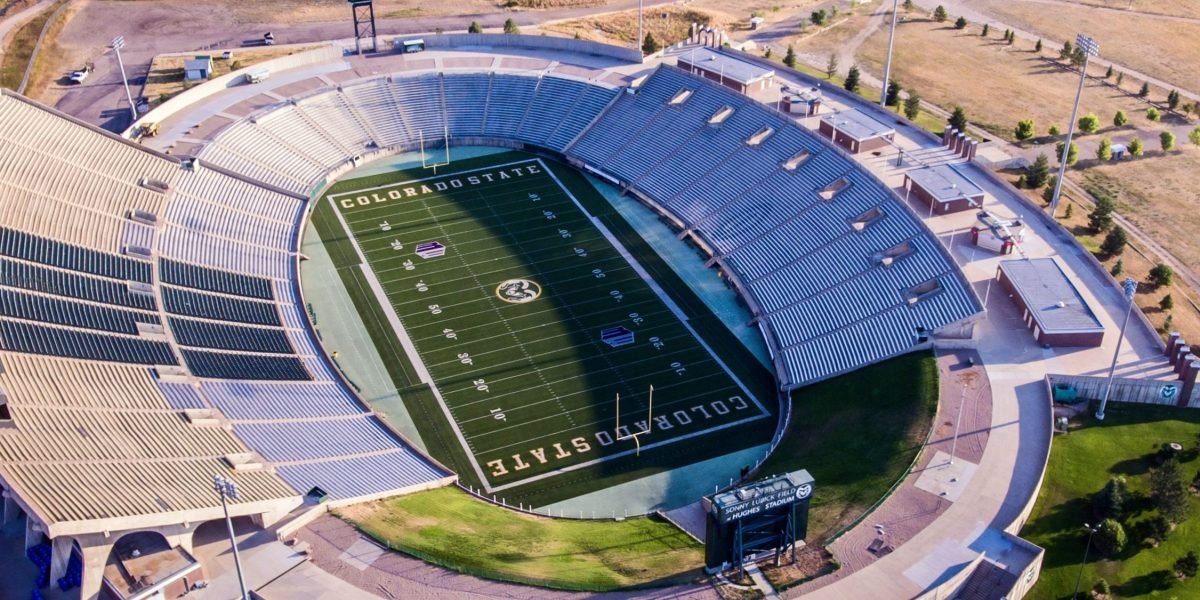
Now, let’s look closer at teams like Texas State football. They might not be as big as Ohio State yet, but their games are still very important for broadcasters. The 2026 season for Texas State football shows a clear plan for their games. For example, they play against Texas on September 5th and then UTSA on September 12th in San Marcos. Later, they travel to San Diego State on October 3rd and host Colorado State in mid-October. This schedule is a roadmap for any broadcast team planning to show their games live.
Planning for Broadcast Times
Most college football games happen on Saturdays. This means broadcast teams must plan carefully for these busy days. For Texas State football, their games can have different kickoff times. For instance, some games might be early in the afternoon, like 2:30 p.m. CT on ESPN, while others might be later in the evening, like 9:30 p.m. CT on CW for a game further west. You can see these times listed when the Pac 12 releases start times for Texas State football.
These different times are called "broadcast windows." They are the specific slots when a game is allowed to be shown on TV or streamed online. For big broadcast companies, it’s like a giant puzzle to make sure they have enough cameras, staff, and equipment ready for each window, especially when many games like USC vs Oregon or Ohio football games are happening at the same time.
Understanding Broadcast Rights
A big part of showing college football games is having the right to do so. These "broadcast rights" are like special tickets that let a company show a game.
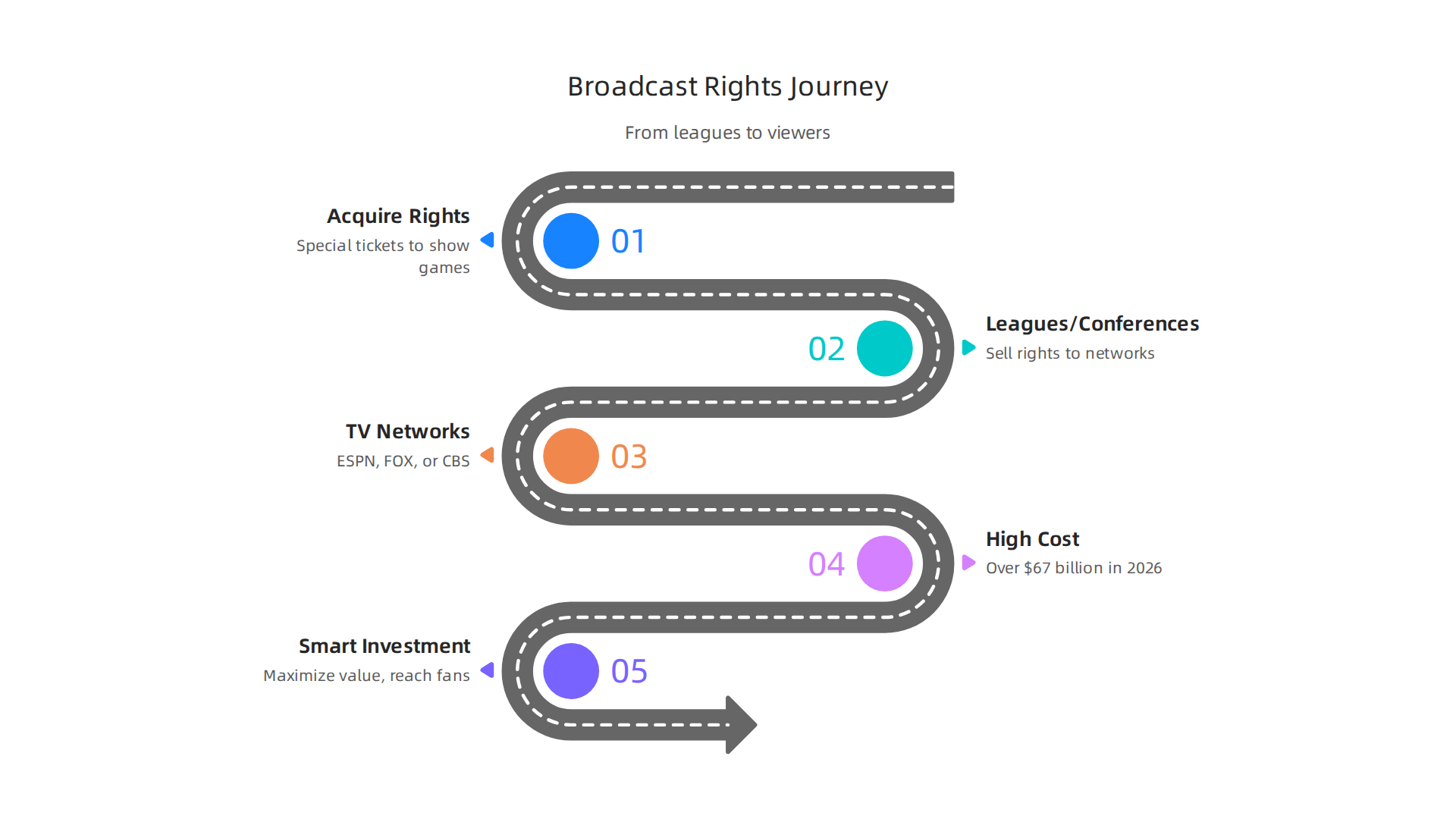
Major sports leagues and college conferences sell these rights to TV networks or streaming services. For example, a conference like the Big Ten or the Pac-12 will sell the rights to show their games to big networks like ESPN, FOX, or CBS.
The cost for these rights is going up a lot. In 2026, global sports rights are expected to reach over $67 billion, making it expensive for companies to secure games for their viewers Global sports rights climb to over $67 billion in 2026. This means broadcast companies need to be smart about which games they buy the rights for and how they plan to show them. It’s about getting the most value and reaching the most fans for their investment.
Managing these broadcast rights and schedules is a huge task, especially for companies that want to show games to a global audience with collegiate football broadcast schedules. It needs careful planning to make sure every game is shown smoothly, with great quality, to fans everywhere.
If you are a big company looking to make your live sports broadcasts perfect, we can help. Explore Our Broadcast Services to see how we manage all the details, from scheduling to getting the games to your viewers. We help major rights holders streamline global live sports production.
While teams like Texas State football have important games, the broadcast world also pays close attention to major teams like the USC Trojans. Their games are a big deal, drawing huge crowds and viewers. For broadcast teams, covering USC means planning for big events and high expectations.
USC’s Schedule and Big Games
The USC Trojans’ schedule is always watched closely. For example, when they play against teams like Ohio State, it’s a huge game that many fans want to see. The Ohio State Buckeyes 2026 Regular Season NCAAF Schedule shows them playing USC on October 31st. These kinds of games, like USC vs Oregon or a big Ohio football match, are called "marquee games" because they are top attractions. These special games are very important for TV networks. They want to show these games to as many people as possible, which changes how they plan their broadcasts.
Broadcast Timelines and Media Rights
USC joined the Big Ten conference, which is one of the biggest in national sports in America. This move has a big impact on their broadcast timelines. The Big Ten has a huge media rights deal with top networks like FOX, CBS, and NBC. This deal is worth billions of dollars and decides when and where Big Ten games, including USC’s, will be shown.
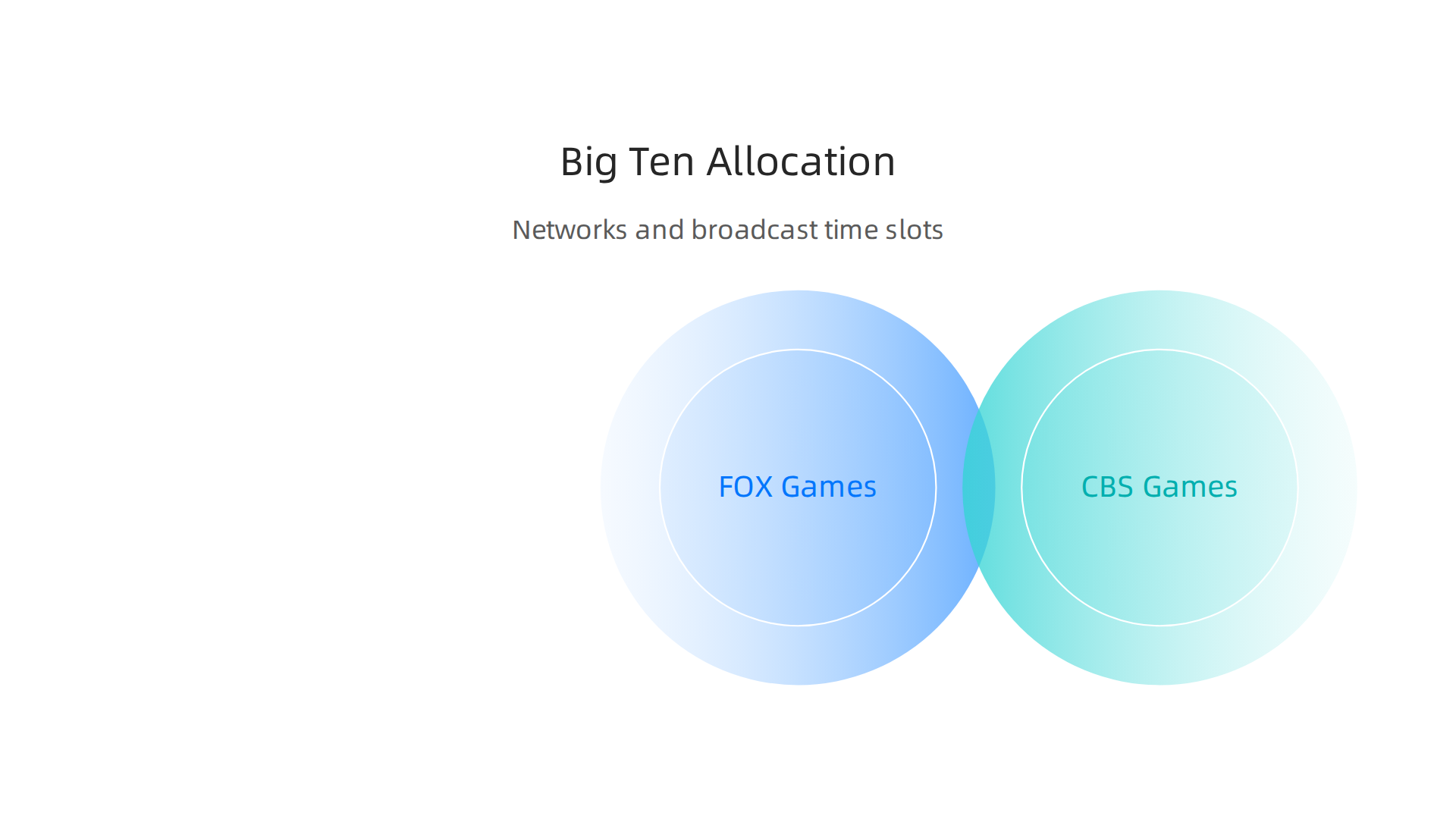
For example, FOX often airs games at noon ET, while CBS might have games in the afternoon, and NBC might show them in prime time. This setup helps networks show games to different audiences at different times. Knowing these timelines helps broadcast companies plan their cameras, staff, and overall production for each game.
These media rights arrangements are critical. They determine which company gets to show which games. For most regular-season college football games, the home team’s conference rights package decides who can broadcast the game, and then the networks pick specific games and broadcast windows to feature them in College Football TV Rights by Conference. For a conference like the Big Ten, their media rights deal, which is a massive 7-year, $7 billion agreement with FOX, CBS, and NBC, shapes how their games reach fans. It also helps them decide on their production strategy for both traditional TV and online streaming (OTT) platforms.
For companies aiming to make sure a huge game like a USC vs Michigan match reaches fans all over the world, there’s a lot to consider. They need to understand the schedule, the broadcast windows, and how to get the best picture and sound to everyone watching. Learning how to navigate these big games is key to getting them to a global audience. You can find out more about how to broadcast the USC vs Michigan game globally.
Making sure these big games are shown perfectly, no matter where fans are watching, is a complex job. It needs expert planning and the right tools. Companies that handle global live sports need to be top-notch. If you want to see how we help with these challenges, you can Watch Our Latest Broadcast Work. We handle everything from scheduling the broadcast windows to managing the technical details for events like the mastering broadcast planning with the 2026 Ohio State football schedule and other major collegiate sports. To learn more about how we help big companies with their broadcasting needs, you can Learn More About TPT Global.
Making sure these big games are shown perfectly, no matter where fans are watching, is a complex job. It needs expert planning and the right tools. Companies that handle global live sports need to be top-notch.
Ohio State Football: Scheduling, Distribution Rights and Global Audience Considerations
Just like USC, Ohio State football is a huge draw in national sports in America. Their games are always big events. When the Buckeyes play, it’s not just local fans watching. Many people tune in from all over the country and even the world. This makes scheduling and broadcast planning very tricky.
Big Ten games, including those featuring Ohio State, get specific time slots from major networks like FOX, CBS, and NBC. For instance, a noon ET game on FOX is different from a prime-time slot on NBC. These national broadcast windows are chosen to reach the largest audience possible within the United States. But for smaller teams, like perhaps a texas state football game, the broadcast might be more focused on regional networks or streaming services. This difference in viewership size changes how production teams prepare for each game.
For games with huge audiences, like an Ohio State vs. Michigan match or even a big usc vs oregon game, broadcasters need to think beyond traditional TV. These high-demand games really test streaming services. They need to make sure their internet streaming can handle millions of viewers at once without glitches. Also, because the Big Ten has big deals, parts of their content are also distributed internationally. For example, DAZN has made deals with the Big Ten and FOX Sports to show college football to people in other countries. This includes many international audiences who can now watch these big games live, with certain exceptions depending on the region DAZN Strikes Deal with Big Ten Conference, FOX Sports to deliver college football and basketball to international audiences. This means that global distribution needs careful planning for different areas.
Thinking about global audiences means also looking at time zones. It’s tough to get people to watch live when a game is in the middle of the night for them.
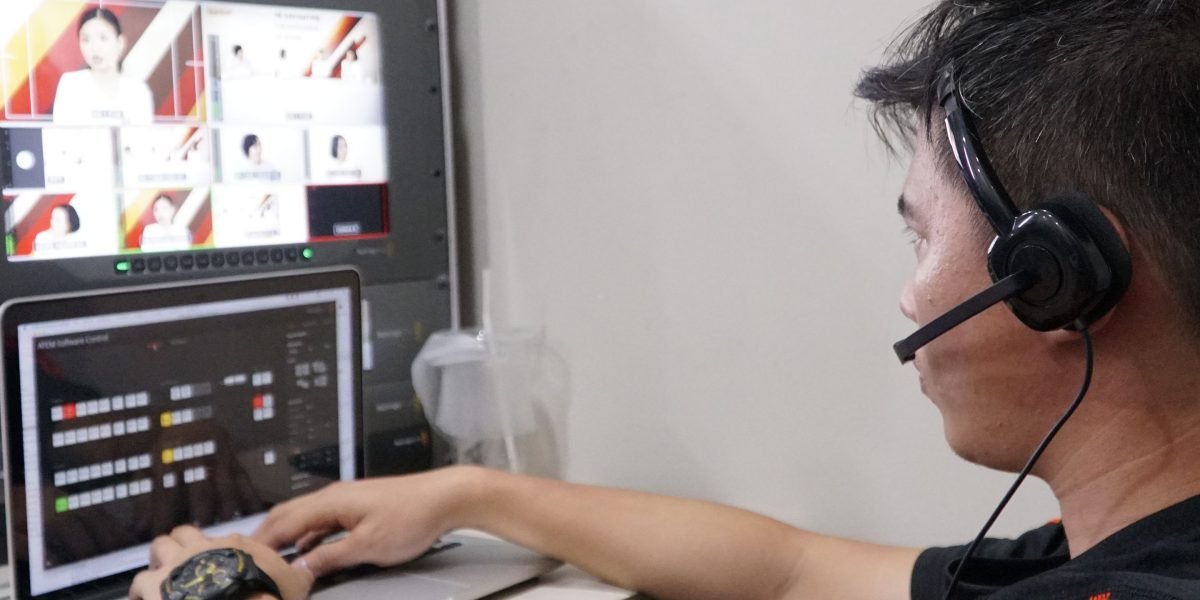
This is especially true for live sports, where watching later isn’t the same as watching it happen Time Zones’ Impact On Sports’ TV Audience Delivery. Young fans, for instance, might not want to stay up late to watch games Forget time zones, young fans will watch the World Cup their way. So, broadcast companies use special systems to change game times to match local time zones, making sure fans everywhere get content at the right moment How do OTT platforms handle time zone synchronization for global audiences?. This is part of optimizing college football streams for global audiences in 2026.
Managing these details, from ensuring smooth streaming capacity for an Ohio football rivalry to handling complex international rights and time zones, is a big job. It calls for expert strategies to mastering global sports broadcasting challenges and reaching fans no matter where they are.
If you’re looking for help with complex broadcast needs for major sporting events, we can assist. Request a Broadcast Consultation. We offer world-class services to make sure your games reach every fan, everywhere. For more information on how we make this happen, you can Explore Our Broadcast Services.
Continuing from how large events like Ohio State football games need careful planning, let’s look closer at how different college football programs handle their broadcasts around the world. It’s about more than just putting a game on TV. It means dealing with tricky schedules, overlapping rights, and fans in many different time zones.
Comparative Analysis: Scheduling Conflicts, Time-Zone Strategies and Rights Overlaps
When we look at major teams, like those in the Big Ten, their broadcast schedules are big deals. For example, Ohio State football and other top teams, including USC, often get prime spots on national networks.

FOX, CBS, and NBC have big contracts with the Big Ten. This means many games are set for certain times, like noon ET on FOX or specific afternoon windows on CBS. In fact, FOX plans to show 89 Big Ten games across its channels in 2026 alone Networks Unveil 2026 College Football Broadcast Schedules. The goal is to reach as many people as possible in the US.
But what about smaller teams, like texas state football? Their games might not be on those big national channels. Instead, they often rely on regional networks or streaming services. This shows a big difference in how games are shown based on their expected audience. The home team’s media rights are very important here, as they usually decide which channels can show the game College Football TV Rights by Conference: Where to Watch …. These agreements can get complex, with many conferences having specific deals, like the ACC extending its media rights deal with ESPN through 2026-27 ACC extends media rights deal with ESPN through 2026-27. The College Football Playoff itself also has a new deal with ESPN until 2031 College Football Playoff finalizes new TV rights contract ….
Thinking about fans outside the U.S. adds another layer of challenge. A big usc vs oregon game played in the afternoon in California could be happening in the middle of the night for fans in Europe or Asia. This is why time zone strategies are so important. Broadcast companies work hard to make sure their streams can handle lots of viewers at once. They use special systems to change game times to match local time zones, so fans everywhere can watch at a good time for them. This helps to maximize global reach with collegiate football broadcast schedules and team coverage.
Also, international deals, like those DAZN has with the Big Ten, let people in other countries watch these national sports in america. But even with these deals, there can be certain games or regions that have limits Big Ten, DAZN ink international distribution deal. For a big ohio football game, a broadcast team needs to know exactly where their audience is to deliver the best experience. They also need to think about how people watch sports in 2026. Most fans use a second screen, like a phone, while watching the game Winning Attention in Sports Marketing: Audience Strategies for 2026. This means the broadcast needs to be ready for different ways people engage.
Dealing with these many details to show college football games to a global audience needs a smart plan. It’s about knowing the different broadcast contracts, understanding time zones, and using technology to reach every fan.
If you are a large organization needing help with these complex broadcast plans and worldwide delivery, finding a partner that offers end-to-end solutions can make a big difference. To learn more about how expert services ensure smooth delivery across various platforms, you can find more information about Why Choose TPT Global.
Technical and Operational Challenges in Live Broadcasts for Collegiate Football
Making sure a college football game reaches fans all over the world without a hitch is a tricky job. Beyond just getting the schedules right and dealing with broadcast rights, there are many technical hurdles.
These issues can make a live broadcast great or frustrating for viewers, especially when a big game like usc vs oregon is on.
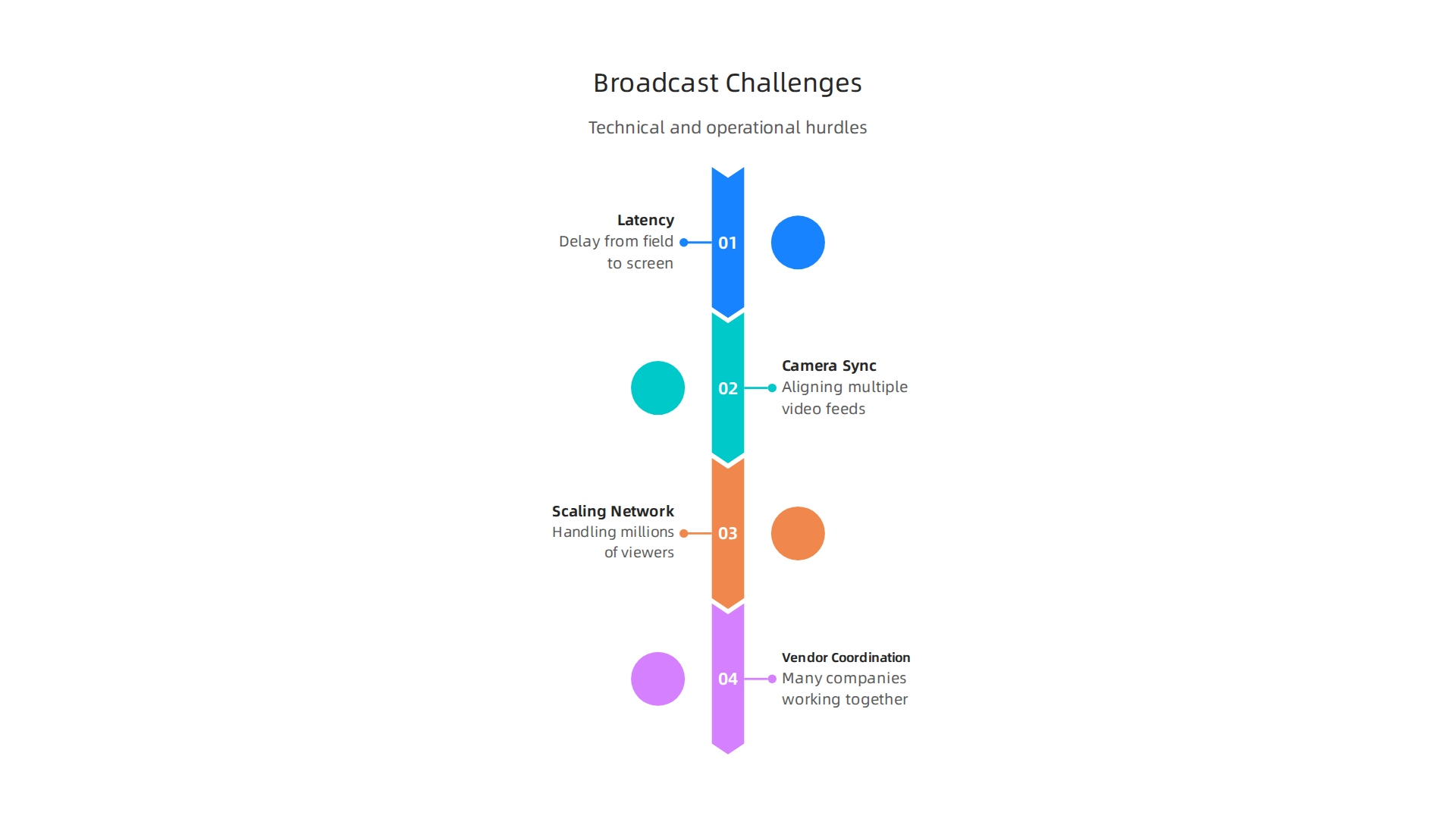
One of the biggest problems is called latency. This is the small delay between what happens live on the field and when you see it on your screen. In 2026, standard streaming often has a delay of 20 to 45 seconds. This is a problem because if your friend is watching on cable and you are streaming, they might spoil a play before you even see it. For live sports, a few seconds can make a big difference, especially with social media acting so fast Why a Few Seconds Can Make or Break the Live …. To fix this, experts use special low-latency methods, like LL-HLS or LL-DASH, which can cut delays down to just 3 to 8 seconds [Live Sports OTT Streaming: Technical Playbook 2026 | MwareTV Blog]. Some even aim for less than 500 milliseconds for things like live sports betting [Live Sports Betting Infrastructure: Building a < 500ms …]. This quick delivery keeps everyone watching the game together, almost like they’re in the same room.
Another challenge is synchronizing many camera feeds. Imagine an ohio football game with cameras everywhere: on the sidelines, in the stands, even in the air. All these different video feeds and sounds need to line up perfectly for the director to switch between them smoothly. If they’re out of sync, the broadcast looks messy and confusing. This requires special equipment and skilled teams to make sure every shot and sound matches up, giving viewers a perfect view of the national sports in america.
Then there’s the issue of scaling up the network. When a hugely popular game like usc vs oregon is broadcast, millions of people might watch at the same time. Even for a texas state football game, if it’s a big rivalry, many fans will tune in. To handle all these viewers without the picture freezing or stopping, broadcasters use something called a Content Delivery Network (CDN). Think of a CDN as a super-fast postal service with many delivery hubs around the world. It sends the video content from the closest hub to each viewer, making sure everyone gets a smooth stream. Choosing the right CDN and making sure it can handle huge spikes in viewers is key to avoiding glitches [Best CDN for Live Streaming in 2026: A Decision Framework].
Finally, vendor coordination is a big part of the job. Many different companies often work together to put on a single live broadcast. There are camera crews, sound engineers, graphics designers, streaming platform providers, and more. Making sure all these teams work together perfectly is like directing a huge orchestra. A clear plan, or "architecture pattern," for how everything connects and works is needed. This helps to make sure the entire broadcast system is strong and reliable, able to deliver a flawless viewing experience.
If your organization is wrestling with these kinds of broadcast challenges, finding the right expertise can truly simplify things. Consider exploring a partner who offers a complete solution for these complex needs. To see how these challenges are met with seamless delivery, you can Explore Our Broadcast Services. For a more personal discussion about your specific broadcasting goals, you can also Request a Broadcast Consultation with experts who understand these intricate technical demands.
Recommendations for Enterprise-Level Broadcast Planning and Vendor Consolidation
After understanding the tough technical challenges of live broadcasts, it’s clear that good planning and smart vendor choices are key. For big organizations broadcasting events like a texas state football game or even a huge usc vs oregon matchup, having a clear plan helps avoid problems and makes sure fans around the world have a great viewing experience.
Here’s a simple checklist for planning your broadcasts:
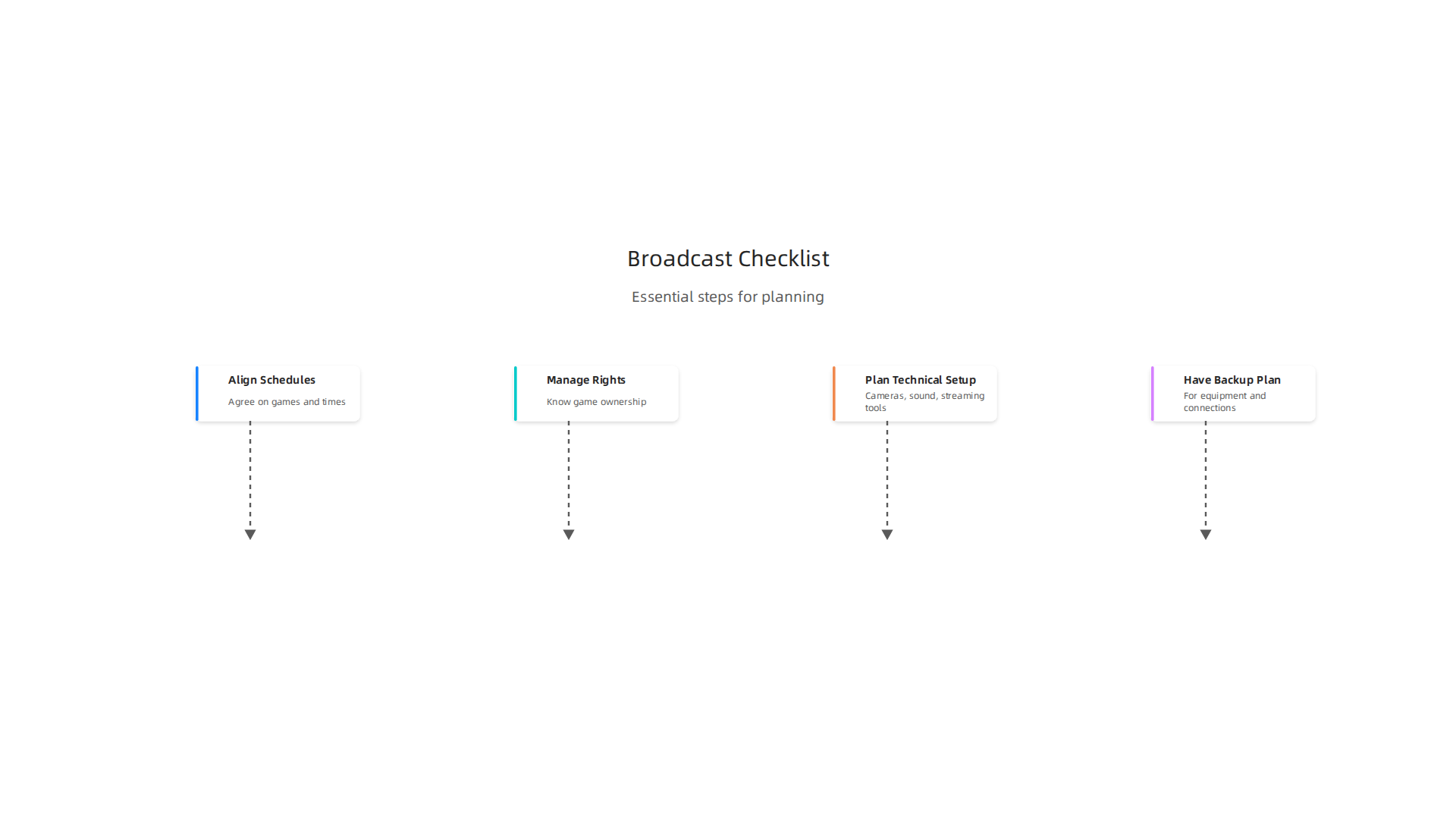
- Align Schedules and Content: Before anything else, everyone needs to agree on what games are being shown and when. This includes checking the schedules for teams like
ohio footballand making sure there are no conflicts. - Manage Broadcast Rights: It’s super important to know who owns the rights to show each game. In 2026, the cost of sports rights is climbing, so careful management helps maximize your investment and global reach. You need to know if you can show a
national sports in americaevent in every country or just specific ones. - Plan Your Technical Setup: Think about all the cameras, sound gear, and streaming tools you’ll need. Make sure they all work well together. A strong technical setup means a smooth picture and clear sound for every viewer.
- Have a Backup Plan: What if something goes wrong? Always have a backup for key equipment and internet connections. This helps you stay on air even during unexpected issues.
One smart way to make things simpler and save money is to consolidate your vendors. Imagine you’re building a house, and you hire a different company for every tiny task. It would be messy and expensive. It’s the same for broadcasts. Instead of working with many different companies for cameras, sound, graphics, and streaming, many organizations are choosing to work with fewer, more integrated partners. Experts say that about 68% of technology leaders plan to do this, often aiming to cut their vendor count by 20% to save costs, lower risks, and simplify how they operate Why Corporate Planners Are Consolidating Entertainment Vendors.
Finding a single company that can handle many parts of your broadcast can make a big difference. This kind of "full-stack" partner can manage everything from getting the game ready to showing it to fans globally. If you’re looking for a partner that covers all bases for sports and media, consider learning more about Trans Group. They’ve been leaders in media rights and live production for a long time.
Good operational governance models are also crucial. This means having clear rules and steps for how everything works. It helps everyone involved understand their roles and responsibilities. When one company handles more of the broadcast process, it’s easier to set these rules and ensure everything runs smoothly. This way, whether it’s a small regional game or a major national sports in america broadcast, the delivery is always reliable and high-quality.
If your company needs help planning complex broadcasts or wants to simplify its vendor list, finding the right support is a smart move. For a more personal discussion about your specific broadcasting goals, you can Request a Broadcast Consultation with experts who understand these intricate technical demands.
Summary
This article explains how enterprise broadcast teams convert crowded college football schedules into reliable, global live broadcasts. It walks through the practical challenges of mapping kickoff windows, acquiring and managing broadcast rights, and coordinating complex production for marquee matchups like Ohio State vs. USC or USC vs. Oregon. The guide highlights why time zones, low-latency delivery, camera synchronization, CDN capacity, and vendor coordination matter for reaching fans worldwide. Readers will learn concrete planning steps—aligning schedules, confirming rights, designing technical architectures, and creating backups—and why consolidating vendors can reduce cost and risk. The piece also uses team schedules (Texas State, Ohio State, USC) as examples to show how schedules influence production and distribution. After reading, broadcast planners will be better equipped to build a timeline, choose technical approaches, and prepare operationally to deliver high-quality global sports streams.