





Why regional and collegiate coverage matters now and what leaders need to know
In 2026, college sports are bigger than ever, drawing huge crowds and lots of attention. It is not just about the big national games anymore. Regional and collegiate sports, like a thrilling badger football match or a competitive northwestern football game, are becoming super important. They connect deeply with fans in local areas and offer big chances for businesses and sports leagues to grow. Actually, college football viewership has been growing a lot, with record minutes watched across different networks in 2025 alone.
So, why does this local and college sports coverage matter so much?
- Strong Fan Loyalty: People love their local teams and college squads. This creates a very loyal fan base that follows their team through thick and thin.

This strong connection means fans are more likely to watch every game, buy team gear, and support sponsors. For example, college football in 2025 saw a great increase in its audience, showing just how engaged these fans are with their teams.
- Valuable Local Rights: The rights to show these games, especially local ones, are becoming very valuable. Networks and streaming services want these rights because they know local fans will tune in. Think about how many people want to catch every play of their favorite college team; this makes the local broadcasting rights very attractive.
- Sponsor Opportunities: For brands, regional and collegiate sports are a gold mine. Sponsors can connect with dedicated fans at a local level, which often feels more real and effective than national ads. From sportswear to car brands, companies see the power of tying themselves to beloved college teams.
However, covering all these regional and collegiate events, like every single badger football game or even lacrosse sport events, is not easy for large companies and sports leagues. They face some big challenges:
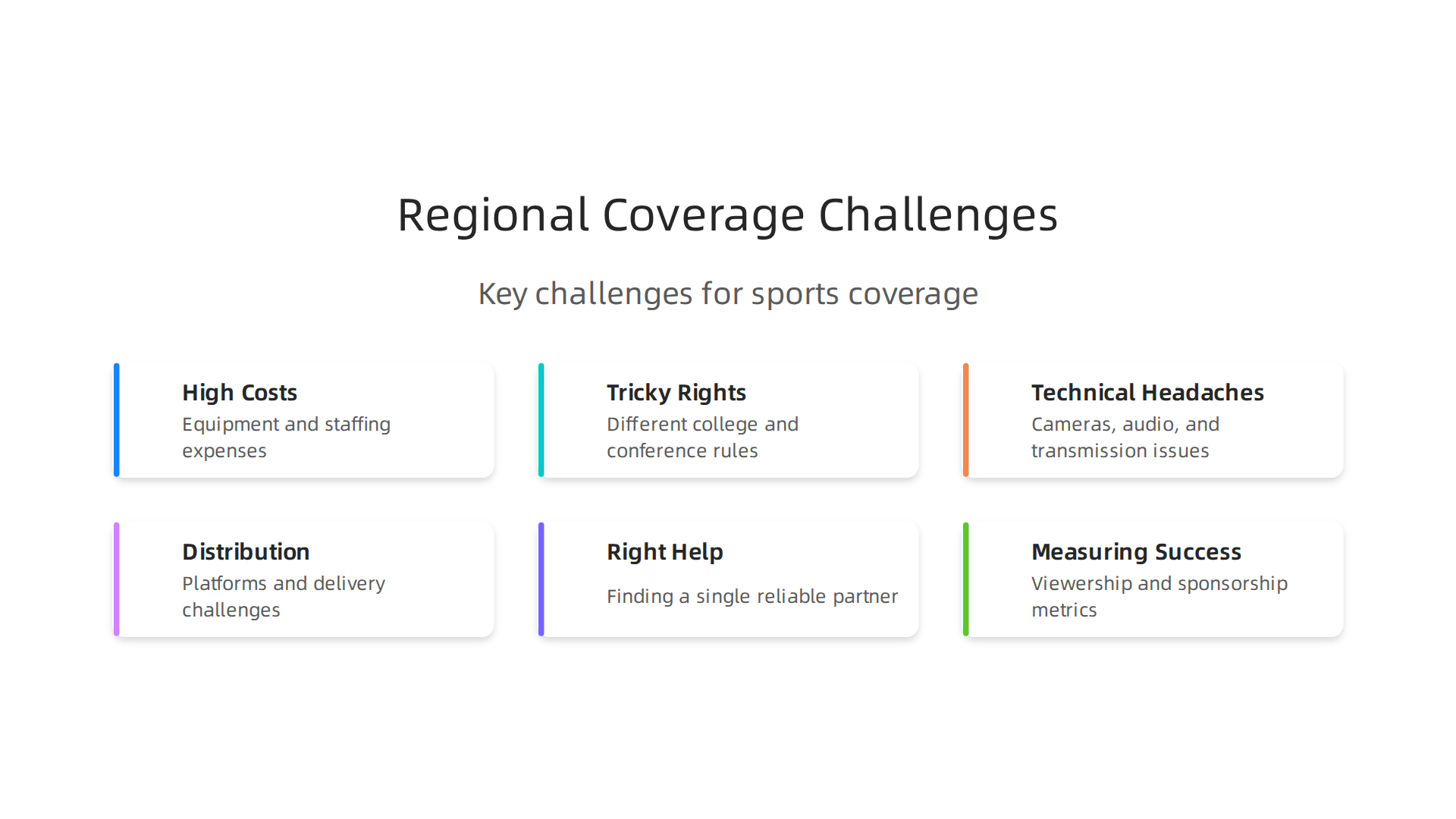
- High Costs: Putting together a live broadcast is expensive. From equipment to staff, the costs can add up quickly, especially when you are trying to cover many games in different places.
- Tricky Rights: Getting the rights to broadcast games can be complicated. Different colleges and conferences have different rules, and it takes a lot of effort to get everything straight. This can be especially true for streamed su sports, where digital rights might differ from traditional TV.
- Technical Headaches: Making sure the broadcast looks and sounds great everywhere is hard. You need the right cameras, sound gear, and ways to send the video quickly and clearly to viewers, no matter where they are watching. This includes dealing with various platforms and broadcast quality.
- Getting it to Everyone: How do you make sure fans across the country, or even the world, can watch the game? This means figuring out the best ways to distribute the content, whether through traditional TV, online streaming, or other new technologies.
- Finding the Right Help: Working with many different companies for production, graphics, and streaming can be a lot to manage. It is hard to find one partner who can handle everything well.
- Measuring Success: It is important to know if your coverage is working. How many people are watching? Are sponsors happy? Getting clear answers can be tough.
This article will dive into practical solutions for these challenges. We will explore how to manage costs, understand media rights, build strong technical systems, distribute content widely, choose the best partners, and measure your success. Our goal is to help large sports organizations master regional and collegiate broadcasting, ensuring they can reach every fan and make the most of these exciting opportunities.
To learn more about how comprehensive services can simplify these complex challenges, you can Learn More About TPT Global.
The strategic case: Why regional & collegiate coverage (like badger football) matters for global brands and leagues
So, why do these local games, like a thrilling badger football match or an exciting northwestern football game, matter so much for big global companies and sports leagues? It comes down to a few key reasons.
First, local fandom creates a special kind of loyalty. People feel a deep bond with their hometown teams and college squads.

This strong feeling means fans will follow their teams for many years. They buy team gear, watch every game, and tell their friends about it. This long-lasting fan love is very important for sponsors. When brands connect with these teams, they reach a dedicated audience that trusts them. This makes ads and partnerships much more valuable over time. Learning how to connect with these fans is part of a smart regional sports broadcasting strategy for global organizations.
Beyond just games, college sports also play a big part in building future talent. Many professional athletes, whether in football or a lively lacrosse sport season, start their journeys in college. By supporting collegiate events, global leagues help grow the next generation of stars. This also helps with community relations, bringing people together and building local pride. Plus, college sports offer a rich calendar of events throughout the year. This means more content for broadcasters and fans, keeping them engaged all year long, not just during the biggest national games.
However, there are big risks if global brands and leagues do not pay enough attention to regional and collegiate sports. If they under-invest, they might lose out on important media rights. These rights are becoming very valuable. For example, ESPN and the NCAA reached a new eight-year deal for NCAA championships media rights, showing how important this content is. If big organizations are not careful, smaller groups might get these rights. This can lead to a fragmented audience, where fans have to look in many different places to find their favorite games, like poorly streamed su sports. This can upset fans and make them less likely to engage. Missing out on these local connections also means missing big chances to make money from loyal fans and eager sponsors.
In short, ignoring regional and collegiate sports means losing out on growth, audience, and profits. To avoid these issues and ensure high-quality broadcasts, companies need reliable and complete solutions.
We help large organizations create broadcasts that keep fans hooked. To see examples of our high-quality work, Watch Our Latest Broadcast Work.
For businesses looking for a complete solution to these broadcasting needs, it is important to choose a partner who can manage every step. Explore Our Broadcast Services to learn how we can help you reach every fan, everywhere.
Making sure these important games are seen by everyone around the world means thinking about how much it costs. For collegiate football, like a big northwestern football game or a popular badger football match, lowering the cost for each game broadcast is key for global brands and leagues in 2026. This helps them grow and stay in front of fans without spending too much.
What Makes Up the Cost of a Broadcast?
Many things add to the total cost of broadcasting a live sports event. Here are the main parts:
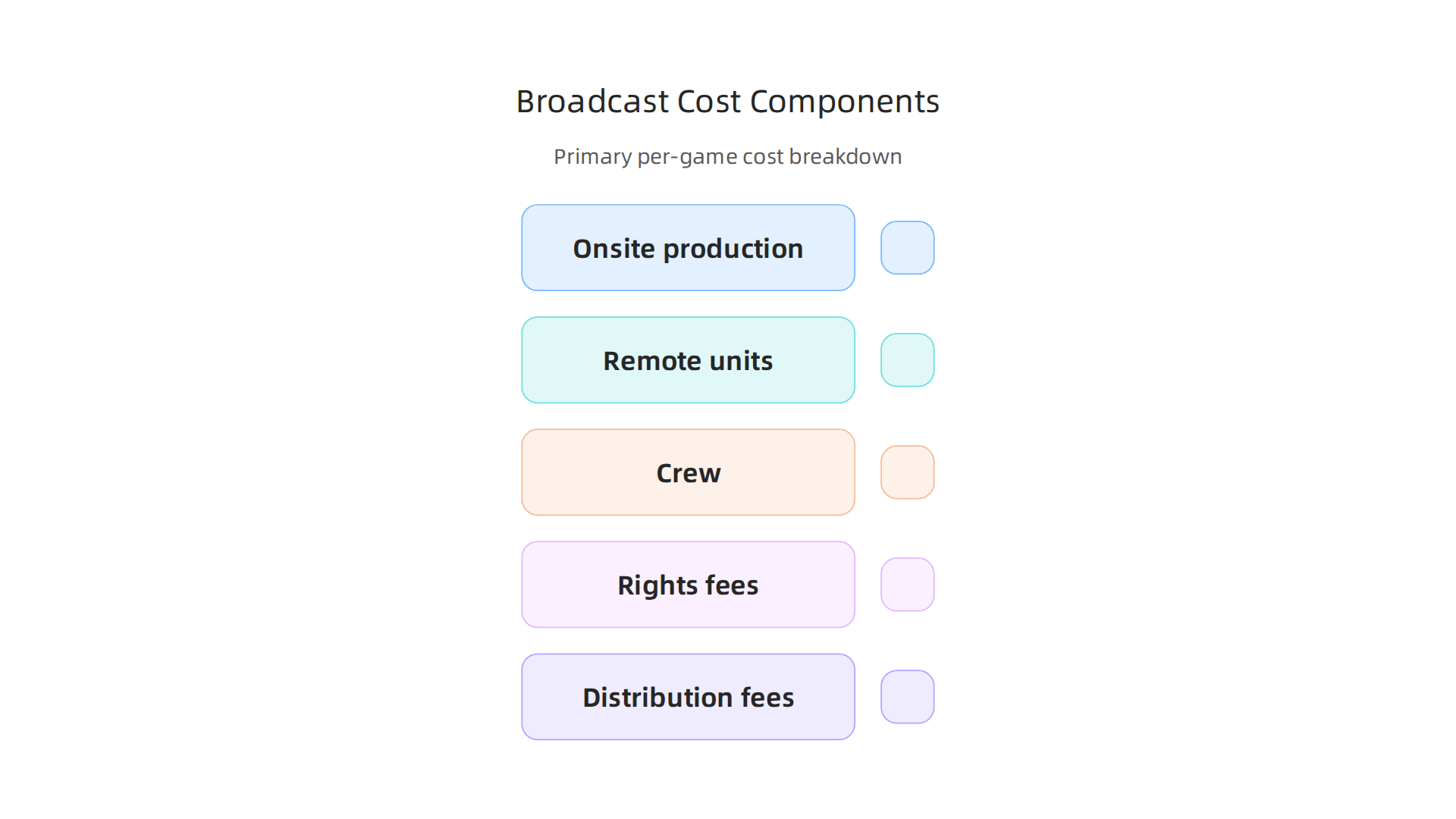
- Onsite production: This includes all the cameras, sound gear, lights, and special equipment needed right there at the stadium. It’s like setting up a small TV studio for just one game. You can estimate production costs using a Sports Production Cost Estimator.
- Remote units: Sometimes, parts of the production happen far away from the game. This might involve sending video feeds to a central control room.
- Crew: You need many people to put on a broadcast. This includes camera operators, sound engineers, directors, and commentators.
- Rights fees: These are the big payments made to the teams or leagues to get permission to show their games. The finances of college sports can be quite complex, as seen in the Finances of Intercollegiate Athletics.
- Distribution fees: These are the costs to send the finished broadcast out to viewers, whether through TV channels, streaming platforms, or other methods. If not handled well, this can lead to poorly streamed su sports experiences.
Smart Ways to Produce Games and Save Money
In 2026, technology gives us better ways to broadcast sports and keep costs down:
- Traditional OB Van Models: For a long time, big outside broadcast (OB) vans with all the equipment and crew were driven to each game. This method is reliable but can be very expensive because of all the gear and travel.
- Remote Production: A newer way is to keep most of the production team and heavy equipment at a central hub. Only cameras and a small crew go to the game site. The video and audio signals are sent back to the hub. This saves on travel, setup time, and equipment costs for each game.
- Cloud-Native Workflows: This is the most modern and often the most cost-efficient method. It uses the internet and cloud computing to manage much of the production. Everything from video switching to graphics can be done from almost anywhere, sometimes with less special hardware. This makes it easier to cover many games, even smaller ones like a lacrosse sport event, without a huge per-game cost.
Planning Your Budget for a Full Season
When planning for a whole season of collegiate football, like all the games for a specific conference, it’s important to look at the big picture. You want to forecast and control variable costs. This means predicting how much things like crew travel or special equipment will cost for many games, not just one. By using remote production or cloud workflows, you can make these costs more predictable and often lower. Instead of a huge setup for every game, you can share resources across many broadcasts. This thoughtful approach helps in optimizing college football broadcasting for sports enterprises.
By understanding these costs and using newer production methods, global organizations can deliver high-quality collegiate sports broadcasts without breaking the bank. It is about working smarter to bring every game to fans around the globe.
Do you need help making your sports broadcasts more cost-effective and reaching a wider audience? Request a Broadcast Consultation today.
Rights, licensing, and partnerships: Negotiating collegiate and regional media deals
We just talked about making sports broadcasts cost less. But saving money is only part of the story. You also need to have the right to show the games. This means making good deals for things like badger football games or other college sports. These deals are called media rights, and they are super important for getting games to fans everywhere.

What Goes into College Sports Contracts?
When a school or a group of schools makes a deal for their sports, like for a big college football game, there are key parts in the contract:
- Who can show the game where: This is called territorial exclusivity. It means only certain channels or streaming services can show the game in certain places. For example, a deal might say who gets to show a game in the US versus another country.
- When you can stream games: Streaming windows say when and for how long a game can be shown online. This helps manage how fans watch on different devices.
- How you can use short clips: Highlights usage explains if you can show short parts of the game later, like on the news or social media. Knowing these rules is a big part of NCAA Media Rights Compliance. These media rights let companies broadcast or stream college games for a fee, as explained in a helpful guide on College Sports Media Rights.
How Deals Are Made
There are different ways to set up these partnerships:
- Big group deals: Sometimes, all the schools in a conference work together to sell their games as one big package. This can bring in a lot of money, as seen in how top conferences lead changing college sports dynamics.
- School-by-school deals: Other times, a single school makes its own deal. For example, a university might work directly with a company to show its badger football games.
- Sharing the money: Many deals involve sharing the money that comes in. This means the company showing the games and the school both get a part of what’s earned. This is a common way to negotiate college sports multimedia rights deals.
A Checklist for Good Deals
When you’re making these deals, it’s wise to have a checklist. This helps you make sure everything is clear and fair. You should look at things like how long the deal lasts and what happens if something changes. The NCAA even has Contracts Best Practices to help schools. Making sure these legal parts are done right is just as important as the technology you use for broadcasting.
To make sure your sports broadcasting plans are strong and reach all your fans, you need a smart plan for working with rights holders. You can learn more about how to build a powerful broadcast strategy for major sports properties and get your content to a global audience.
Want to learn how we can help you with these complex agreements and broadcast needs? Find out Why Choose TPT Global for your next project.
Now that we’ve talked about the important deals and rights for showing games like badger football, let’s look at the behind-the-scenes work. This is all about the "how" of getting those games from the stadium to your screen, making sure the picture and sound are always top-notch. It’s the technical side that keeps everything running smoothly for fans, whether they are watching northwestern football locally or streamed su sports far away.
Technical architecture: delivering consistent quality from stadium to global viewers
Making sure a live sports broadcast looks great everywhere in the world is a big job. It needs a strong technical plan. Think of it like building a house; you need good foundations and systems to make it stand strong.
How Broadcasts Are Built: Core Architecture Options
There are a few main ways to set up the equipment and teams needed to broadcast a game:
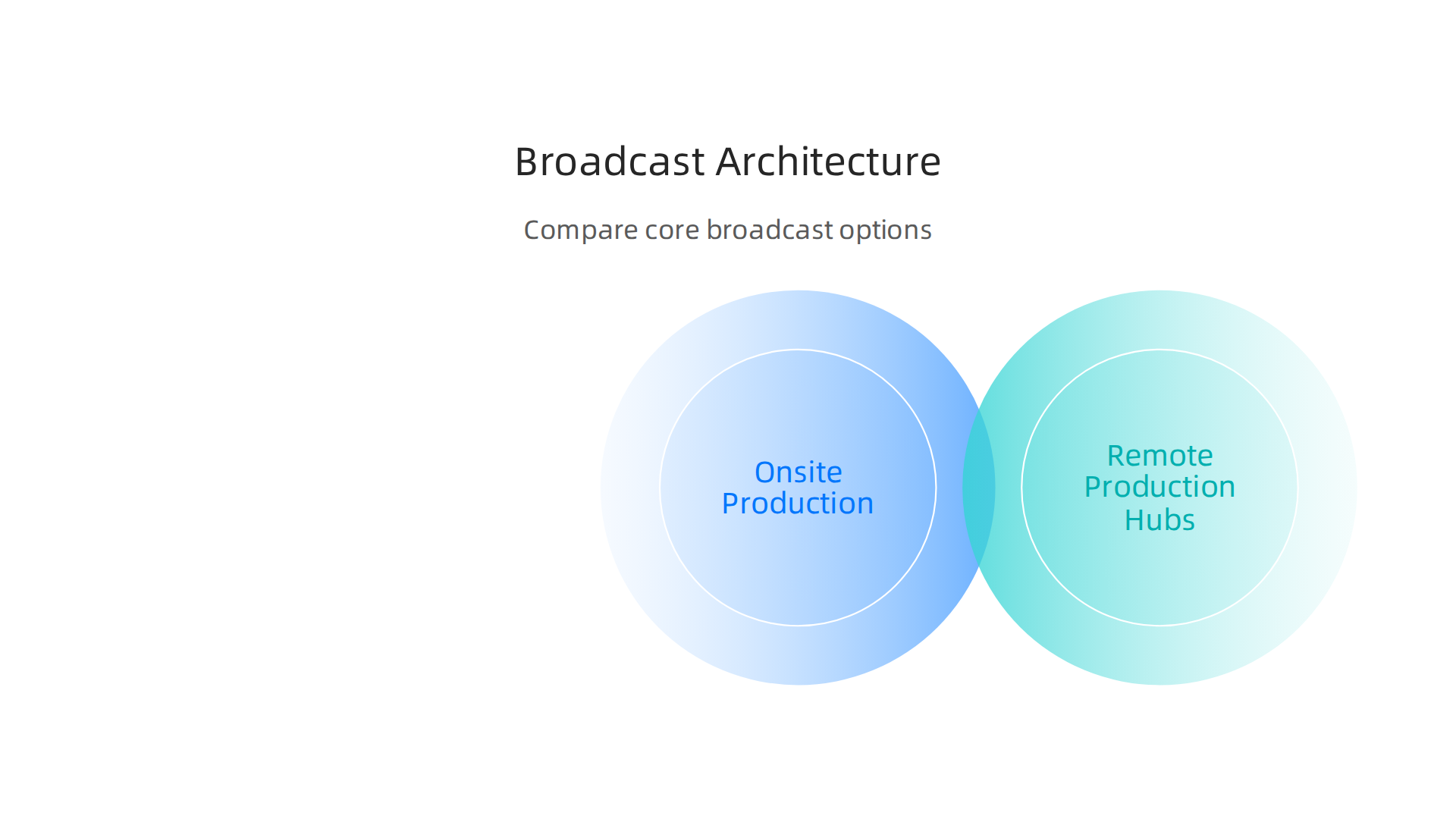
- Onsite Production (OB Vans): This is the classic way. Big trucks full of equipment, called Outside Broadcast (OB) vans, go right to the stadium. All the cameras, sound mixers, and video switchers are there. This method gives you total control right at the event.
- Remote Production Hubs: Instead of sending all the equipment to every game, sometimes signals from the stadium are sent back to a central office. This office, called a remote production hub, then creates the final broadcast. This can save money and let one team work on many games, even something like a lacrosse sport tournament in another city. Big sports organizations like the PGA TOUR have moved towards similar setups to streamline their work, as seen in their Transforming Media Production at PGA TOUR Studios case study. The NBA also consolidated operations into modern spaces for efficiency, as noted in their NBA Entertainment details.
- Hybrid Cloud-Managed Workflows: This is a newer way. It mixes the best parts of onsite and remote work with the power of the internet and cloud computing. Some equipment is at the stadium, some is at a hub, and some parts are handled by powerful computers on the internet. This makes it super flexible and can reach fans everywhere. Cloud technology is truly Transforming Sports Broadcasting in 2026.
Keeping Streams Fast and Reliable
When you’re watching a live game, like badger football, you don’t want delays. That delay between what happens live and what you see is called latency. Lower latency means you see the action almost instantly. To make streams fast and avoid hiccups, here are some important steps:
- Low-Latency Streaming: This means using special settings and systems to make the video get to you as quickly as possible. For example, using a short "keyframe interval" in the video encoder helps reduce delays, aiming for 1 to 2 seconds for smooth streams according to guides on Low Latency Streaming Best Solutions. You can also use specific streaming protocols like LL-HLS or LL-DASH for very fast delivery, often getting the delay down to 2-5 seconds or even less for real-time events, as explained in the Low-Latency Live Streaming: Sub-3-Second Guide 2026.
- Redundancy: This is like having a backup plan for everything. If one piece of equipment or internet connection fails, another one automatically takes over so your broadcast doesn’t stop. This is super important for live sports.
- Content Delivery Networks (CDNs): Imagine a huge network of servers all over the world. When you watch a game, the video comes from the server closest to you. This makes the video load faster and more reliably. Using a global CDN is a top way to optimize video streaming and cut latency.
Making Sure Quality Stays High
Even with great technology, you need to keep an eye on things. This means constantly checking the video and sound quality.
- Monitoring: Teams watch the broadcast closely, often with special tools, to catch any problems right away. They check things like picture clarity, color, and if the sound is clear.
- Service Level Agreements (SLAs): These are like promises from the broadcast company to the sports league. They say how good the quality has to be and how reliable the service must be.
- Quality Control: This is the process of making sure every part of the broadcast meets high standards before it reaches viewers. From the cameras at the game to the servers sending the video, everything needs to be perfect for every badger football game or other major sporting event.
To really get the most out of your sports broadcasts and deliver amazing quality, you need expert help. Find out more about how we can help you with your broadcast needs. Explore Our Broadcast Services and see how we create flawless experiences for global audiences.
After making sure the pictures and sounds are perfect for a game like badger football, the next big challenge is getting that broadcast to everyone who wants to watch, no matter where they are. This means having smart plans for how the game is shared on different screens and in different places.
Distribution & platform strategies: reaching local fans and global audiences
To truly reach all the fans of sports like northwestern football or a lacrosse sport tournament, you need a good strategy for distributing your content. It’s about finding the right ways to share the game with the most people possible.
How to Share the Game: Channels and Partnerships
Broadcasters today use many different ways to get games to viewers. It’s like having many roads leading to the same destination.
- Direct-to-Consumer (DTC) Streams: This is when a league or team offers the game directly to fans through their own app or website. For example, a sports league might let fans subscribe to watch all their games, including local favorites like badger football, straight from their official platform. This helps build a direct connection with the fans.
- Linear Partnerships: These are the traditional TV channels that show games. Think of big sports networks that have been broadcasting games for many years. Partnering with these channels helps reach a wide audience that still watches TV in the usual way.
- Platform Syndication: This means sharing the game with other big online platforms or streaming services. This could be social media, highlight reels on popular video sites, or even special deals with other streaming providers. It’s all about making sure the game pops up wherever fans are looking for sports content. A smart approach helps maximize global reach with collegiate football broadcast schedules and team coverage.
Making it Local: Language, Ads, and Special Feeds
Even if a game is global, fans often want it to feel local. This means changing the broadcast a bit for different places.
- Region-Specific Feeds: For example, a game might have different announcers for fans in different states or countries. They might talk about local teams or players in more detail.
- Language Options: For global audiences, offering the broadcast in many languages is key. Someone watching streamed su sports from another country would enjoy listening to the commentary in their own language.
- Targeted Ad Insertion: This means showing different commercials to different viewers based on where they live or what they like. So, someone in Wisconsin watching badger football might see ads for local businesses, while someone in California sees different ones.
How Broadcasts Make Money: Different Ways to Pay
Sports broadcasts need to make money to keep going. There are a few main ways this happens:
- Subscriptions: Fans pay a regular fee to watch games, similar to how they pay for other streaming services.
- Ad-Supported Video on Demand (AVOD): This means the games are free to watch, but viewers have to watch commercials. Many free streaming services use this model. College football viewership, for instance, is quite strong, with over 154 billion minutes of games watched live on various networks in a recent season, showing a big opportunity for advertisers and networks alike 2025 College Football Deep Dive | DIRECTV Insider. This high viewership makes college sports a good choice for advertisers Why College Sports Make Sense for Advertisers.
- Sponsorships: Brands pay to have their names or products featured during the broadcast or around the game. This can be logos on the field or special mentions from announcers.
- Hybrid Models: Most broadcasters use a mix of these. They might have a basic subscription with ads, or a premium one without. Finding the right mix helps to unlock growth collegiate sports broadcasting for enterprise broadcasters.
Making all these pieces work together can be tricky. It needs a full team that knows how to handle every step, from broadcasting to reaching fans and making money. If you’re looking for a partner to help with your complex sports media needs, consider reaching out to Trans Group.
Bringing all those parts of a broadcast together can feel like a lot to handle. It’s like managing many different teams to get one big job done. That’s why many big sports organizations are now looking at ways to make things simpler. This often means working with fewer companies to get everything done, which we call vendor consolidation. It helps make sure everything runs smoothly, from a game of badger football to a big lacrosse sport tournament.
Vendor Consolidation and Operational Governance: Simplifying Large-Scale Deployments
When you’re broadcasting a big game, you have a choice: work with many different companies for each small part of the job, or try to find one main company that can do most of it. Both ways have their good and bad points.
One Partner or Many? Picking Your Broadcast Team
- The Single Partner Way (Full-Stack): Imagine one company handles everything for your sports broadcast. They do the cameras, the graphics, the streaming, and everything in between.
- Good things: It’s simpler to talk to just one group. Everyone on that team is used to working together, which can lead to better quality and fewer mistakes. It can also save money because you’re not paying many different companies to communicate with each other. For example, some media companies are consolidating their systems to cut costs and avoid problems that happen when different groups work separately Media companies consolidate fragmented tech stacks to reduce costs. Big sports groups like the PGA TOUR have even brought many parts of their media work into one place to make things easier and better Transforming Media Production at PGA TOUR Studios.
- Not-so-good things: You might not get the absolute "best" tool for every single small task, because the main company has its own set of tools. You also rely a lot on that one partner.
- The Many Partners Way (Best-of-Breed): This means you pick the best company for each specific job. One company might be amazing at cameras, another at graphics, and a third at streaming.
- Good things: You get top-notch special tools for every part of the broadcast. You can pick and choose exactly what you need.
- Not-so-good things: It’s much harder to manage. You have to make sure all these different companies talk to each other and work together perfectly. This can lead to delays or problems, and often costs more in management time.
Keeping Everything Running Smoothly: Rules and Planning
No matter if you choose one partner or many, you need clear rules to make sure every broadcast, like streamed su sports or a northwestern football game, goes off without a hitch. This is called operational governance.
- Service Level Agreements (SLAs): These are like promises that each company makes about how well they will perform. For example, they promise the broadcast won’t cut out, or that a technical problem will be fixed very quickly.
- Single-Window Communication: This means having just one main contact person to talk to if you have questions or problems. It avoids confusion and helps solve issues faster.
- Centralized Scheduling: For seasonal sports, planning ahead for all games is super important. A central plan helps everyone know exactly when and where they need to be.
How to Make the Change: A Plan for Simpler Operations
If you decide to combine your broadcast services, it needs careful planning. You start by looking at what you do now, then figure out how to slowly move towards fewer partners. The goal is to keep things working well and have backup plans so nothing stops. In 2026, many are focusing on why quality and integration matter in sports broadcast production to keep fans happy Sports Broadcast Production in 2026: Why Quality and Integration Matter. A step-by-step roadmap helps ensure you simplify things without losing important features or reliability. A unified approach can really help to simplify your live sports production with a unified end to end solution.
Thinking about how to make your large-scale sports broadcasts simpler and more efficient? We can help.
Request a Broadcast Consultation
After simplifying how you put together your big sports broadcasts, the next big question is: how do you know if it’s working? You need to measure success. This means looking at certain numbers and facts to see how well your badger football games, northwestern football matches, or streamed su sports events are doing.
Measuring Success: KPIs, Analytics & Commercial Measurement for Badger Football Broadcasts
Measuring how well a broadcast does helps you understand what fans like, where to make things better, and if you are making enough money.

For a lacrosse sport event or a big badger football game, this is super important.
Key Numbers to Watch: Your Essential KPIs
Key Performance Indicators (KPIs) are like a scoreboard for your broadcast. They tell you if you’re winning with your audience. Here are some important ones:
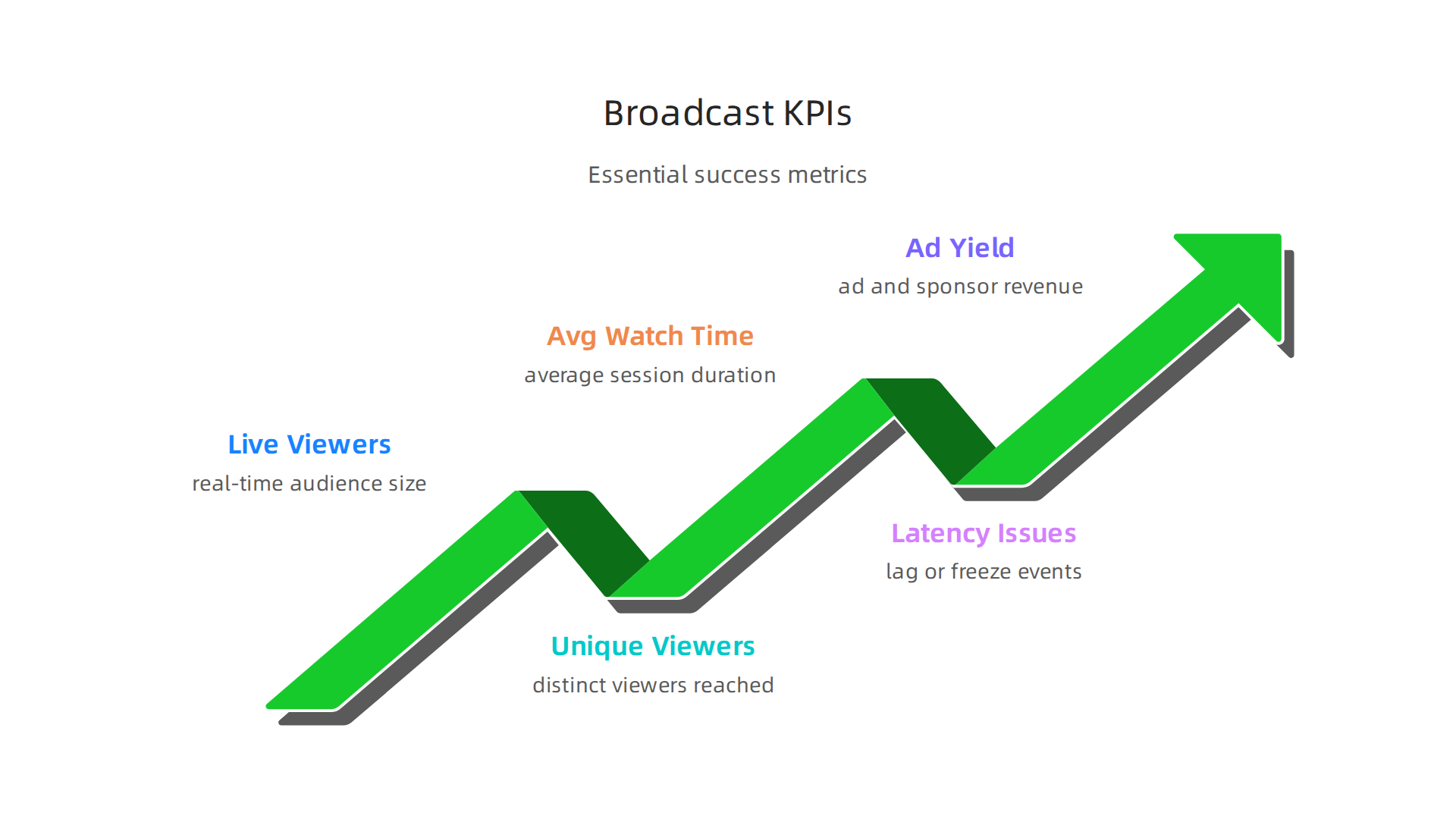
- Live Viewership: How many people are watching the game right when it happens? For example, college football viewership has been growing, with over 154 billion minutes watched live across major networks in a recent season, showing how many eyes are on the screen for games like
badger football2025 College Football Deep Dive | DIRECTV Insider. Knowing this helps you understand the immediate impact of your broadcast. - Unique Viewers: This number tells you how many different people tuned in. It’s not just how many watched at one time, but the total number of individual fans over the broadcast period.
- Average Watch Time: How long do people stick around? If fans are watching for a long time, it means they are really engaged. College football, for example, rivals the NFL in total minutes consumed, which is a great sign of fan engagement College Sports Media Rights Deep Dive.
- Latency Incidents: This sounds technical, but it’s just about how smooth the stream is. Did the broadcast lag or freeze a lot? Fewer problems mean a better experience for fans.
- Ad/Sponsorship Yield: How much money are you making from ads and sponsors during the game? This shows if your broadcast is a good place for companies to spend their advertising dollars Why College Sports Make Sense for Advertisers.
Showing the Numbers: Dashboards and Reports
Different people need different kinds of information.
- For the big bosses (C-level): They want to see the main numbers like total viewers, how much money was made, and how happy sponsors are. They need quick, easy-to-understand summaries.
- For the technical teams: They need all the small details. They look at things like how fast the video loads or if there were any connection problems during the
badger footballgame. This helps them fix issues and improve the technology.
It’s good to share these reports regularly, maybe after each game or at the end of a sports season.
Learning and Getting Better: Using Analytics to Improve
Looking at your numbers isn’t just for checking if you did well. It’s for learning.
- Improve Production: If many people stop watching at a certain point, maybe something in the show needs to change. Did the camera work not look good? Was the sound off?
- Better Distribution: Are your games reaching enough people? If you want to get more global fans, you might need to look at new ways to deliver your content around the world. Understanding your audience helps you reach them better, as discussed in Maximize Global Reach With Collegiate Football Broadcast Schedules and Team Coverage.
- More Money: Knowing what ads work best and where people are watching helps you sell more ad space and get better deals for future games. This helps with overall monetization efforts for sports enterprises, a key focus in Optimizing College Football Broadcasting for Sports Enterprises.
By paying close attention to these numbers, you can make sure your badger football broadcasts and all your sports content get better and better each season in 2026. This is how you keep fans happy and keep your broadcasts successful.
Thinking about improving your sports broadcast metrics and fan engagement? Find out how we can help your organization succeed by visiting Why Choose TPT Global.
Summary
This article explains why regional and collegiate sports coverage has become a strategic priority for global brands and leagues, and it lays out practical ways to make high-quality broadcasts scalable and profitable. It covers the business case—fan loyalty, valuable local rights, and sponsorship upside—then breaks down the main challenges: high costs, complex rights, technical demands, distribution, partner selection, and measurement. The piece compares production models (onsite OB vans, remote hubs, cloud workflows), offers budget planning advice for a full season, and explains media-rights structures and negotiation checklists. It also details technical options to reduce latency and ensure redundancy, distribution strategies to reach local and global fans, and governance approaches like SLAs and centralized scheduling. Finally, it shows which KPIs to track and how analytics drive production, distribution, and commercial improvements so organizations can deliver more games, better experiences, and stronger revenue.