






Why Regional Sports Broadcasting and Team Coverage Matter for Global Organizations
Bringing the excitement of regional sports to a global audience is a big deal in 2026.

Think about the passion around local teams like those involved in 406 sports, or the dedicated fans of gamecock football and stanford football. Capturing this energy and sharing it worldwide offers huge chances for sports organizations and broadcasters. However, making this happen comes with many challenges.
One of the biggest hurdles is the rising cost of putting on live broadcasts. It also gets very tricky with all the different technologies involved. Organizations need to make sure the quality stays top-notch, no matter where the game is being played or where fans are watching. This means dealing with complex technical setups and keeping things consistent across many regions and platforms. For example, the global sports broadcasting technology market is expected to grow from about $90.13 billion in 2026 to over $154.53 billion by 2035, showing just how much is invested in this area

Sports Broadcasting Technology Market Size to Hit USD…. Plus, global sports rights themselves are climbing, with over $67 billion spent in 2026 Global sports rights climb to over $67 billion in 2026.
This article will give you a clear plan to handle these challenges. We will look at smart ways to run things, common technical setups that work best, and how to pick the right partners. We will also provide helpful checklists for getting everything ready, all made for large sports groups and companies. Our goal is to help you get the most out of your regional sports coverage, reach more fans, and make sure every broadcast is a success.
Learn about our commitment to world-class, end-to-end live sports broadcast production services.
Learn More About TPT Global
1. The regional sports broadcasting landscape: stakeholders, rights, and regional hubs
To make regional sports coverage successful worldwide, it helps to understand who is involved and how things work. Many different groups play a part in bringing games from places like where 406 sports are played to fans all over the globe. Knowing these players and how local coverage fits into big global plans is key.
Here are the main groups, or stakeholders, in regional sports broadcasting:
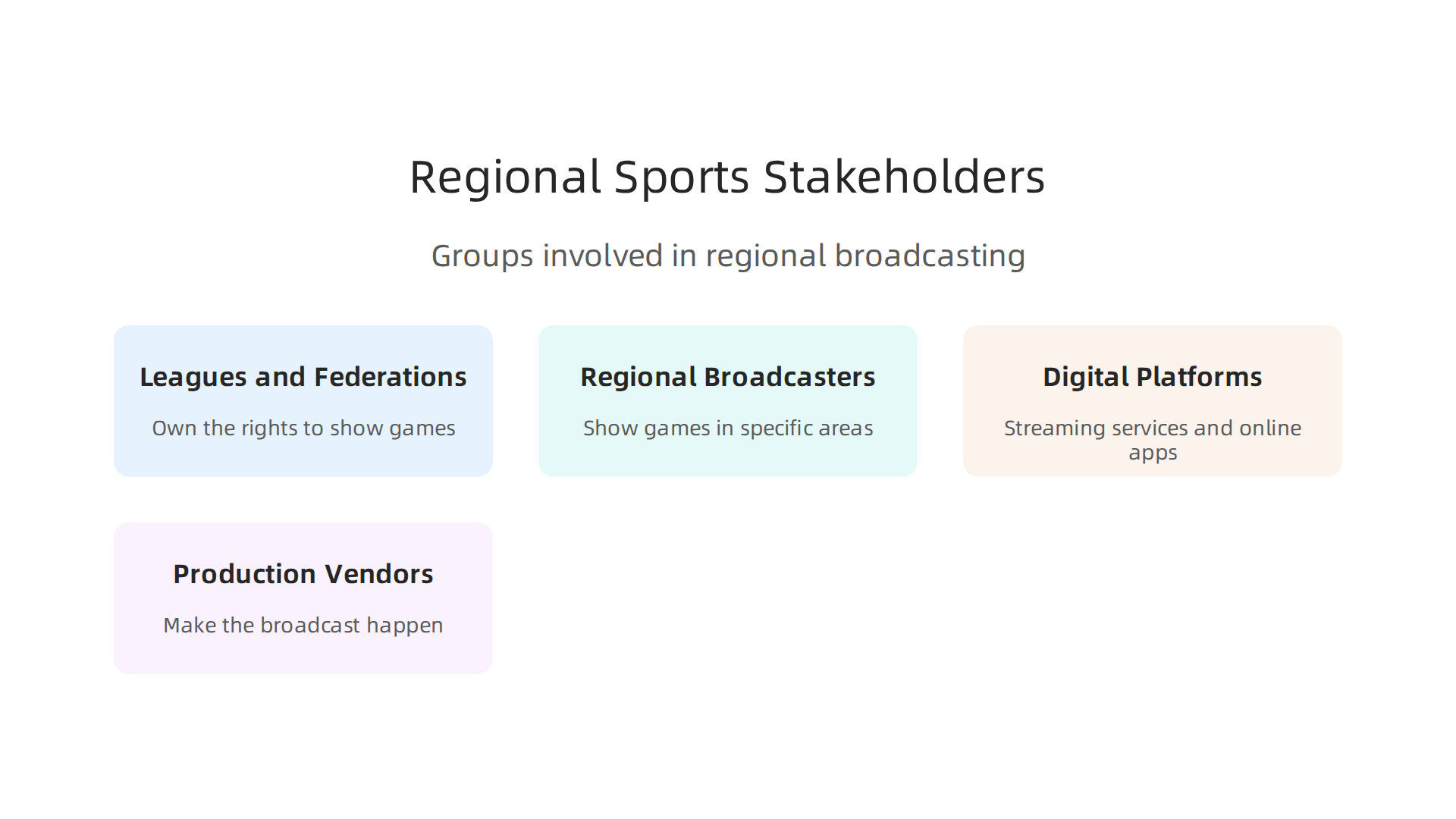
- Leagues and Federations: These are the organizations that run the sports, like the NCAA for college football or different groups for international games. They own the rights to show the games.
- Regional Broadcasters: These companies show games in specific areas. They might cover local high school games, or smaller college teams like gamecock football and stanford football for people in that region. You can think of a local TV station doing a trib hssn broadcast as an example.
- Digital Platforms: These are streaming services and online apps where people watch sports on their phones or smart TVs. In 2026, streaming is a huge part of how people watch sports, with sports content on top streaming platforms growing significantly. Many digital platforms are changing how sports are broadcast today
How the rise of digital platforms is changing sports….
- Production Vendors: These are the teams and companies that actually make the broadcast happen. They bring the cameras, sound gear, and all the special effects you see on screen.
All these groups work together to get sports out to fans. The overall sports industry in 2026 is seeing big changes, and understanding these parts helps everyone involved, from local reporters sharing stories like turtleboy sports might cover, to large global companies 2026 Global Sports Industry Outlook.
How Regional Hubs Connect to Global Rights
Regional hubs are like local centers where all the magic of a game is captured. For instance, a game from 406 sports would be produced at a regional hub. These hubs are important because they create the direct, local feel that fans love.
The challenge comes in linking these local broadcasts to a wider, global audience. Here’s how it works:
- Rights Management: Leagues and federations sell "rights" to show games. They might sell regional rights to local broadcasters and separate global rights to larger networks or streaming services. For companies looking to share regional content worldwide, it means managing these different rights carefully.
- Distribution Strategy: Once a game is produced at a regional hub, it needs to be sent out. This involves using modern technology to push the broadcast to different platforms, whether it is traditional TV or streaming apps, so fans can watch it anywhere.
By understanding these connections, global sports organizations can better plan how to use local team coverage to reach more fans around the world. Crafting a smart plan for this is a big part of being successful.
Want to see how we help with live sports broadcasts? Explore Our Broadcast Services
2. Core operational and technical challenges for team coverage across regions
Getting local games, like those from 406 sports, out to fans everywhere can be tricky. Even with all the right people and plans in place, there are still big problems that can make it hard to share sports content globally. Let’s look at some of these key challenges that many sports organizations face today.

High Costs and Fragmented Tools
One of the biggest headaches is how much money it costs to set up and run broadcasts. This includes buying expensive cameras, sound gear, and computer systems. It also costs a lot to pay all the people who make the broadcasts happen, like producers, camera operators, and technicians.
Another issue is when different parts of the broadcast use tools or services from many different companies. Imagine trying to build something with LEGOs, but each piece is from a different toy brand. They might not fit together well. This is like having a "fragmented vendor stack." It means you have many different partners for things like graphics, streaming, and editing. This can lead to extra costs and make it hard to keep everything running smoothly.
Actually, using a mix of in-house teams and outside help (a "hybrid model") is quite common for managing these complex setups in 2026. This approach aims to find a balance between what you do yourself and what you get from other companies Why a Hybrid Outsourcing Model is the New Normal.
Inconsistent Quality and Streaming Delays
When a game is shown in many places, the quality of the broadcast needs to be the same everywhere. If one trib hssn broadcast looks amazing but another for gamecock football looks grainy or has bad sound, fans won’t be happy. Keeping quality high and consistent across all regions is a major goal for sports broadcasters.
Another big problem is "streaming latency." This is the delay between when something happens live in the game and when you see it on your screen. For live sports, a short delay is super important. Nobody wants to see a goal pop up on their phone before they see it on their TV screen! In 2026, lowering this delay is a huge focus for tech experts

Real-Time Video Streaming: The 2026 Playbook for Low-Latency …. For fast-moving sports like stanford football, every second counts. Many solutions are being explored to achieve low latency streaming Low Latency Streaming (2026): Best Solutions.
To streamline your complex live sports production, you might want to consider how to simplify your live sports production with a unified end-to-end solution.
Rules, Rights, and Local Differences
Broadcasting sports worldwide also means dealing with different rules in different countries. Each country might have its own laws about what can be shown and how. Then there are the "rights" issues: who actually owns the right to show a specific game in a specific area. A company might have the rights to show a turtleboy sports event in one country, but not another.
Lastly, "localization" is about making the broadcast feel local and special to the people watching. This could mean having commentators speak the local language, using local graphics, or showing local stories. This helps connect with fans but also adds more steps to the production process. A smart crafting a winning regional broadcasting strategy for global sports rights holders can help navigate these waters.
If your organization is looking for solutions to these complex broadcasting challenges, we’re here to help. Request a Broadcast Consultation to discuss how we can work together.
3. Technical solutions: achieving consistent, low-latency multi-site production
After looking at the challenges of sharing sports content, like making sure a 406 sports game looks good everywhere and avoiding annoying delays, it’s time to talk about how technology helps. In 2026, there are many smart ways to get live sports to fans with great quality and almost no lag.
Smart Ways to Broadcast from Anywhere
To make sure a trib hssn broadcast reaches everyone smoothly, sports production teams use different setups:
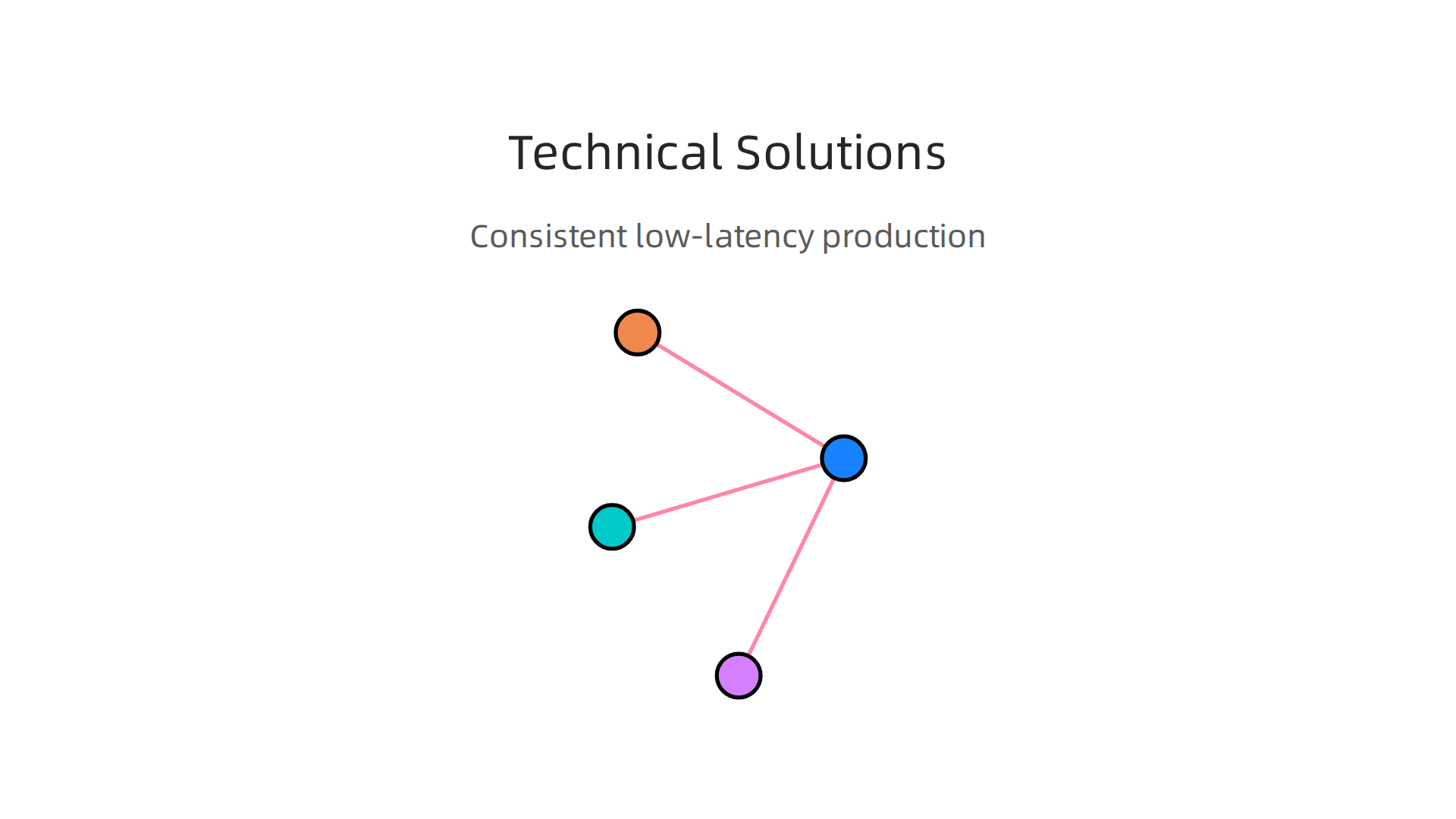
- Edge Production: Think of this as bringing the processing power closer to where the action is. Instead of sending all the raw video data to one far-off central place, some work is done right there, closer to the stadium or event. This helps cut down on the time it takes for the video to travel, leading to much faster delivery to your screen. Actually, using edge computing can make streaming delays go from many seconds to just a few milliseconds for some streams Low Latency Live Streaming: The 2026 Edge Playbook.
- Bonded Cellular: This is great for places where it’s hard to get a strong internet connection. It takes several different cell phone signals and "bonds" them together to create one super-strong, reliable connection. This is perfect for broadcasting from remote locations or when big, expensive TV trucks can’t get close enough.
- Fiber-Fed Remote Production: For bigger events or places with good internet cables, fiber optics are used. These super-fast cables send high-quality video signals over long distances directly to a central production hub. It’s a very reliable way to get crystal-clear images.
- Cloud-Based Workflows: A lot of the work can now happen "in the cloud." This means using online computer services for things like video editing, graphics, and even managing the broadcast. It makes everything more flexible and easier to scale up or down as needed, whether for a big gamecock football match or a smaller turtleboy sports event.
These modern ways of working mean that teams can deliver better quality and more consistent coverage, no matter where the game is happening. If you’re looking to upgrade how your sports content reaches a global audience, you might want to consider how to streamline global live sports production for major rights holders.
Keeping Quality High and Delays Low
Making sure the broadcast quality stays top-notch and the picture arrives almost instantly is key for live sports.
- Latency Management: This is all about fighting those delays between the live event and your screen. For fast-paced games like stanford football, even a few seconds can feel like forever. In 2026, experts are working hard to reduce streaming latency. New methods and protocols like WebRTC are becoming common for interactive experiences that need very low delays, sometimes less than a second Best Practices for Reducing Live Streaming Latency. It’s a real race against time!
- Quality of Service (QoS) Monitoring: This is like a constant health check for your broadcast. It watches the video and audio to make sure they are always clear and smooth, even when internet connections might be a bit shaky. If something starts to go wrong, QoS tools help fix it quickly so fans don’t notice.
- Transcoding Strategies: People watch sports on all sorts of devices: big TVs, small phones, and everything in between. They also have different internet speeds. Transcoding changes the video file into many different versions so that it plays perfectly on any device, with the best quality for that person’s internet speed. This means a great viewing experience for everyone, everywhere.
These technical solutions help sports organizations overcome the big challenges of global broadcasting. By using the right mix of tools and strategies, they can bring the excitement of live sports straight to your screen with stunning clarity and almost no delay. Want to see some examples of these solutions in action? Watch Our Latest Broadcast Work to see how modern production tackles complex global events.
These advanced methods are transforming how fans experience sports, making every game feel like a front-row seat, no matter where you are in the world. To learn more about how these services can benefit your organization, Explore Our Broadcast Services.
4. Production models and vendor orchestration for scalable team coverage
After looking at the clever tech solutions that deliver live sports broadcasts with great quality and low delay, the next big question is: who does all this work? How do sports organizations choose the best way to get their games, like a local 406 sports match or a big gamecock football event, to fans everywhere? It’s about picking the right team and partners to make everything run smoothly.
Different Ways to Get the Job Done
There are a few main ways organizations manage their live sports production. Each has its good and bad points:
- Doing It Yourself (In-House): This means the sports organization has its own full team and all the equipment.
- Pros: You have complete control over every little detail. Your team knows your brand and goals inside and out.
- Cons: It costs a lot of money to buy and maintain equipment, and to hire many skilled people. It can be hard to handle big events or many games at once.
- Using a Managed Service: Here, you hire a special company, like TPT Global, to handle all or most of the production.
- Pros: You get experts who already have the best gear and knowledge. It can save you stress and often leads to more steady costs. This can be great for a
trib hssn broadcastneeding a professional touch without building a whole department. - Cons: You might feel like you have less direct control over daily tasks.
- Pros: You get experts who already have the best gear and knowledge. It can save you stress and often leads to more steady costs. This can be great for a
- Working with Local Partners: For events far away, you might team up with smaller local companies.
- Pros: These partners know the area well and can react fast to local issues. It’s flexible for one-off events.
- Cons: It can be tricky to make sure the quality is the same for every broadcast. Managing many different partners can also be a headache.
- Hybrid Approach: This is a mix of the above, often using your own team for some parts and outside help for others. Many companies find this balance works best in 2026. For example, you might use your in-house team for creative ideas, but outsource the technical broadcast delivery. This kind of blend is becoming the new normal for many businesses, not just in sports broadcasting Why a Hybrid Outsourcing Model is the New Normal. It allows for flexibility and can make sure you have the right support for everything from a
turtleboy sportsstream to a majorstanford footballgame.
Deciding on the right model helps sports leagues and teams maximize their broadcast coverage for global reach and revenue. You can find more insights on this by exploring how to maximize sports leagues and team broadcast coverage for global reach and revenue.
Making Sure Partners Deliver: Vendor Governance and Accountability
No matter which production model you choose, working with outside partners means you need clear rules.

This is called vendor orchestration, and it’s super important.
- Clear Rules (Governance): You need clear agreements on how you and your partners will work together. This means setting expectations from the start. A central team can help manage these relationships effectively, whether it’s a fully centralized setup or a mix of central and local oversight How to Choose the Right Operating Model for Your Vendor Management Office.
- Service Level Agreements (SLAs): These are like promises from your partners. They spell out exactly what quality and speed they will deliver. For example, an SLA for a live sports broadcast would say how long a delay is acceptable or how clear the picture must be. Good SLAs cover things like pricing, what work will be done, and how performance will be measured Vendor Management Best Practices, Tools, and Strategies 2026.
- Single Point of Contact: It’s easiest when there’s one main person or team in charge of talking to all the partners. This makes sure everyone is on the same page for all the technical parts, the stories being told (editorial), and how the broadcast reaches viewers (distribution). This prevents confusion and keeps the project moving smoothly.
By choosing the right production model and carefully managing all partners, sports organizations can deliver exciting live sports content to fans across the globe. This ensures consistent quality and avoids headaches, making every game a hit.
If you are looking for a reliable partner for your sports and media broadcasting, consider reaching out.
Get in touch to discuss your needs for production services and regional coverage.
5. Distribution strategies: expanding reach across linear, OTT, and social platforms
After putting together a great team and getting all your production ducks in a row, the next big step is making sure your live sports content actually reaches the fans. This means thinking about where people watch sports in 2026. It’s not just about one TV channel anymore. People watch games everywhere: on regular TV, on streaming apps, and even in short clips on social media. Building a smart plan that uses all these places is key to getting your games, like a thrilling gamecock football match or a local 406 sports event, to as many viewers as possible and making more money.
Mixing It Up: Linear TV, Streaming, and Social Media
The best way to reach fans today is by using a hybrid distribution strategy.

This means you don’t just pick one way to show your content; you use many.
- Linear Broadcast Partners (Traditional TV): Regular TV channels still reach a huge number of people. Many sports fans, close to 90%, still tune into traditional TV for live sports, even though other options are growing fast Digital Live Sports Audiences Are Projected To Grow 5.8%. This is your foundation for wide reach.
- OTT Platforms (Streaming Services): Services like Amazon, Netflix, and Disney+ are showing more and more live sports. In fact, sports content on top streaming platforms grew by 52% in the first part of 2026 [Sports Content on Top Streamers Climbs 52% in Q1 2026]. These platforms help you reach younger viewers and those who prefer to watch on their own schedule. Finding the right mix of traditional TV and streaming is part of the multi-platform evolution of live sports [2026 The multi-platform evolution of live sports]. To understand more about selecting the best platforms, check out our guide on choosing live TV channels and streaming platforms for global sports broadcasting.
- Social Clips: Think about short, exciting moments from games shared on Facebook, Instagram, or TikTok. These clips get fans talking and can bring new viewers to your full broadcasts. Many fans actually use social media as their main way to connect with their favorite sports year-round [2026 Digital Media Trends | Deloitte Insights]. A
trib hssn broadcastcan gain huge traction by sharing highlights this way.
By putting these three together, you get your content in front of more eyes than ever before.
Reaching Everyone: Localization and Rights
Making sure your broadcasts hit the mark in different places means thinking about a few things:
- Localization: People in different countries or even different parts of the same country might like different commentators, graphics, or even languages. Tailoring your content for local tastes makes fans feel more connected. For example, a
stanford footballgame shown in California might have different local ads than one shown overseas. Learn how regional coverage for global sports brands delivers unrivaled fan engagement. - Rights Windows: This means knowing when and where you are allowed to show a game. Sports leagues sell rights to different companies for different regions and different times. For instance, a
turtleboy sportsevent might be broadcast live in one country but only available as a replay in another. It’s important to keep track of these rules for international events, such as those governed by the ICC Cricket – Official standards. - Platform-Specific Delivery: Every platform has its own needs. What looks great on a big TV might need to be adjusted for a phone screen. High-quality video is important for streaming, but it also needs to load fast. Making sure your content looks good and works well on every device is crucial for fan enjoyment. This also means working to deliver flawless global live sports broadcasts for maximum fan engagement.
By carefully planning your distribution and understanding these important details, sports organizations can truly expand their reach and connect with fans across the world.
When considering a partner to help craft these complex distribution strategies and ensure high-quality delivery, it’s essential to understand their capabilities. Why Choose TPT Global for your broadcasting needs? We offer comprehensive solutions that tackle these challenges head-on. If you’re ready to see the quality and scope of our work, you can always Explore Our Broadcast Services and discover how we can elevate your sports content.
After learning how to plan your broadcast strategy and reach fans everywhere, the next important step is finding the right partner to help make it all happen. Choosing a broadcast partner is like picking a key player for your team. You want someone reliable who can handle all the hard work of getting your live sports content out there. This means looking at what they can do, how they work, and if they fit your specific needs, like broadcasting a gamecock football match or a local 406 sports event.
What to Look for in a Broadcast Partner: Your Checklist
To pick the best partner, it helps to have a checklist.

Here are the main things to think about:
- Technical Abilities: Can they deliver great quality video and sound? Do they have the latest gear for live production and streaming? This is super important for games like a
trib hssn broadcastwhere clear pictures make all the difference. Look for partners with top-notch technology to ensure your audience gets the best viewing experience. - Geographic Reach: If you want your content to be seen around the world, your partner needs to be able to deliver it globally. This includes understanding different time zones and language needs for major events or even
stanford footballgames played overseas. - Rights Experience: Sports broadcasting has many rules about who can show what, where, and when. A good partner knows these rules well and can help you avoid problems with broadcasting rights.
- Security and Following Rules: Your content needs to be safe from unauthorized sharing, and your partner must follow all industry standards and privacy laws. This protects your valuable sports events.
- How They Work Together (Commercial Terms): This covers how much it costs, what services they provide, and how flexible they can be. Some partners offer a "hybrid model" where you do some things in-house and they handle the rest.
This can be a smart way to get the best of both worlds, as it allows for shared responsibilities and combined resources What to outsource, what to keep: a hybrid model for procurement. Other approaches include centralized oversight with local teams or even fully managed services, depending on your needs How to Choose the Right Operating Model for Your … – Vendor Centric.
Crafting a Request for Proposal (RFP)
When you’re ready to find a partner, you’ll likely send out a Request for Proposal, or RFP. This is a formal letter asking different companies to tell you how they would handle your broadcasting needs and how much it would cost.
A good RFP should include:
- Your Goals: What do you want to achieve? More viewers for
turtleboy sports? Better quality streams? - What You Need: List all the technical requirements, like how many cameras you need or if you require specific streaming formats.
- What You Expect: Describe the level of service you’re looking for, including how quickly they respond and how they solve problems.
- Your Budget: Give them an idea of what you’re willing to spend.
- Your Timeline: When do you need things to start and finish?
Evaluating Your Choices
Once you get all the proposals back, you’ll need a way to compare them fairly. Using a scorecard can help. You can give points for each important item on your checklist. For example:
- Technical Quality: How good is their proposed equipment and workflow?
- Experience: Have they worked on similar sports broadcasts before, like other
gamecock footballor406 sportsevents? - Cost: Is their price reasonable for the services offered?
- Team and Support: Do they have a strong team ready to help you, and do they offer good customer support?
By looking at all these points, you can choose a partner who will truly help you reach your goals. They become an extension of your team, helping you deliver exciting sports content to fans everywhere.
If you’re looking to discuss your specific broadcasting needs and find a partner who understands the complexities of regional and global sports coverage, consider reaching out. We can help you navigate these important decisions.
Request a Broadcast Consultation
Summary
This article explains why regional sports broadcasting is strategically important for global organizations and offers a practical roadmap to deliver local team coverage worldwide. It outlines the main stakeholders, the rising costs and fragmented vendor stacks that create operational headaches, and the legal complexities of regional rights and localization. The piece then presents modern technical solutions — edge production, bonded cellular, fiber-fed remote workflows and cloud-based operations — that reduce latency and keep quality consistent. It compares production models (in-house, managed, local partners, hybrid) and explains how to govern vendors with SLAs and a single point of contact. Distribution strategies across linear TV, OTT platforms, and social clips are covered along with a checklist for choosing broadcast partners and building effective RFPs. After reading, you’ll be able to assess options, draft requirements, and pick a production and distribution approach that scales regional sports for global reach.