



Why the Michigan Football Schedule Matters to Global Broadcasters
Thinking about how big college football has become in 2026, it’s easy to see why the Michigan football schedule is a big deal for people all over the world. We’re talking about more than just a game. For large TV companies, streaming services, and anyone who owns the rights to show these games, knowing the exact schedule is super important. It’s the first step in planning how millions of fans will get to watch their favorite team.
Imagine you’re a big broadcast company trying to show a game like Michigan playing Oregon State football, or even Baylor football. You need to know exactly when that game is happening. You also need to know if you are allowed to show it in different parts of the world. This can get tricky because there are many rules and different time zones. That’s why having one clear place to find all the details for the Michigan football schedule is so helpful for planning everything out. This includes figuring out broadcast times for an indy tv guide or even how to get the signal out through services like eaglecast tv.
The University of Michigan, along with the Big Ten Conference, officially announced the 2026 football schedule earlier this year, giving everyone a roadmap for the season
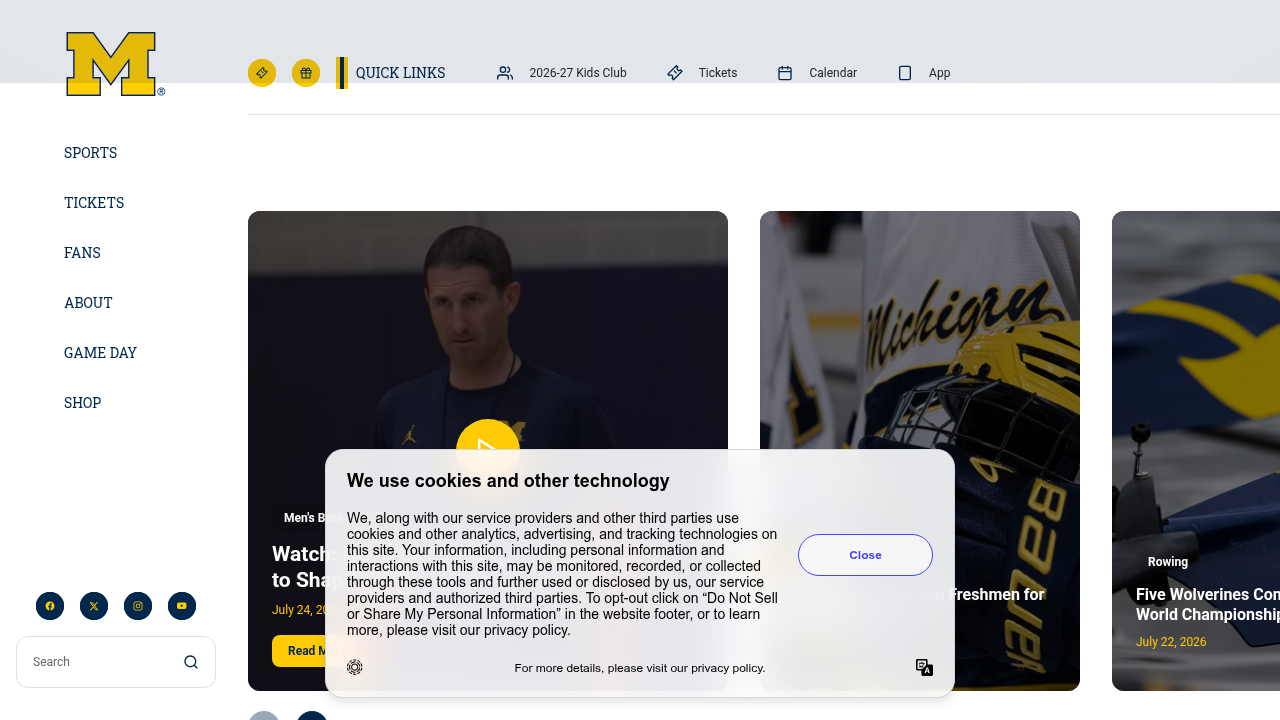
Michigan Announces 2026 Football Schedule. But getting this list is just the start. Broadcasters need to understand a lot more. They need to know about specific broadcast windows, which means figuring out the best times to air games so the most people can watch. They also have to deal with rights and technical stuff, like making sure the picture and sound are perfect for viewers everywhere. Plus, there are costs and finding the right partners to work with.
This article is here to help you understand all these important parts. We will give you simple advice on how to look at the schedule and figure out what it means for your company. We’ll also talk about the best ways to get these games to fans, no matter where they live. Our goal is to make it easier for you to maximize sports leagues and team broadcast coverage so you can reach more people and even earn more money.
Building a global audience for events like college football needs a clear plan and the right tools. If you’re looking for a partner that handles every part of the game, from commercial plans to producing live shows, consider getting in touch with Trans Group. They’ve been doing this for over 40 years.
We understand the challenges global broadcasters face, from high costs to making sure broadcast quality is top-notch everywhere. Our goal is to help you streamline how you put on these big sports events. To learn more about how we help large companies, global sports groups, and major event organizers, you can Learn More About TPT Global.
Understanding the Michigan Football Schedule: Key Elements Broadcasters Need
When you look at the Michigan football schedule, it’s not just a list of games for fans. For broadcasters around the world, it’s a very detailed plan that needs careful thought. To show these big games, companies must understand all the small pieces that make up the schedule.
Game Dates, Times, and Channels
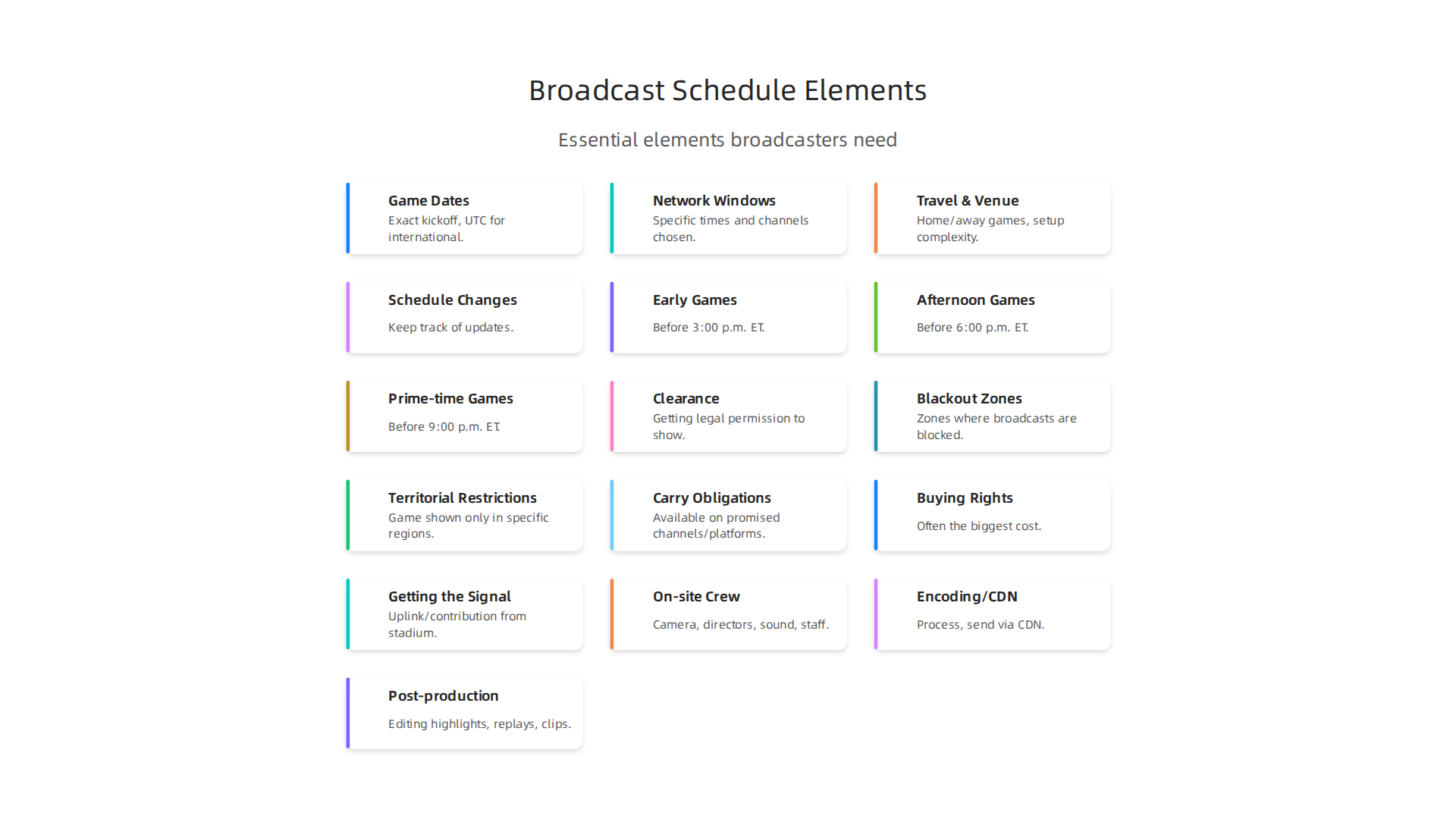
First, the most basic parts are the game dates and times. The University of Michigan, together with the Big Ten Conference, makes the 2026 schedule known early so everyone can plan. For example, you can see which teams Michigan will play and when, like their game against Western Michigan on September 5, or Oklahoma on September 12, as reported by Yahoo Sports
Here is Michigan Football’s official 2026 regular season schedule.
But it’s not enough to just know the date. Broadcasters need to know the exact kickoff time. This often means figuring out the local time where the game is played and then changing it to a standard time, like UTC (Coordinated Universal Time). This helps international broadcasters get the timing right for all the different places watching.
Then, there are the TV and network windows. These are the specific times and channels chosen to show each game. Some games might be set for a big national channel, while others might be on a streaming service or a regional channel, like what an indy tv guide might show. These choices affect which broadcast rights companies own and how they plan to send the game out, maybe even through a service like eaglecast tv. Knowing these windows helps a lot with planning, especially if you want to bring games like Oregon State football or Baylor football to a global audience.
Travel and Venue Constraints
Another thing broadcasters think about is where the games are played. Michigan has eight home games in 2026, which means they play a lot in Ann Arbor. But there are also away games, like when they go to Minnesota or Oregon later in the season. Where a game happens matters for cameras, equipment, and staff. It changes how complex it is to set up a live broadcast.
Dealing with Schedule Changes
It’s important to remember that the Michigan football schedule can sometimes change. Games might move to a different time or even a different day because of TV requests or other reasons. When these changes happen, the Big Ten Conference or the University of Michigan quickly share the new details. For broadcasters, it’s super important to keep track of these updates. If you’re sending the game to different countries, you need to make sure every single feed has the correct, updated information. This "version control" stops mistakes and makes sure fans get the right game at the right time.
For large companies, getting these details right is key to optimizing college football broadcasting for sports enterprises. It helps them manage the whole process, from planning to sending the live signal around the world.
Understanding these parts of the Michigan football schedule lets broadcasters make smart choices about how to bring these exciting college football games to millions of fans.

If you’re looking to see how top-tier broadcasts are made, you can Watch Our Latest Broadcast Work.
Knowing the exact time a game kicks off is just the first step. Broadcasters also need to figure out which "broadcast window" each game falls into. These are specific time slots that TV networks set aside for games each Saturday.

Common windows include early games (before 3:00 p.m. ET), afternoon games (before 6:00 p.m. ET), and prime-time games (before 9:00 p.m. ET), as explained in a helpful overview of The New Era of College Football Scheduling.
Each window brings different chances. Prime-time games, for example, often draw huge audiences. This means more eyes on advertisements and bigger deals for sponsors. When the Michigan football schedule shows a game against a top rival during prime time, broadcasters know it is a big chance to reach many people. This is also key for things like broadcasting regional football solutions for global reach and revenue growth.
Think about it: an early game on the East Coast might be a late morning game for those watching on the West Coast. And for people in other countries, it could be the middle of the night! Broadcasters use an indy tv guide to help map out these timings. They need to decide if they will broadcast live to all markets or offer different feeds. For example, a game at 12:00 p.m. ET might be a "Big Noon Kickoff" which can pull in huge numbers, like the record-setting 16.6 million viewers for an Ohio State and Texas game on FOX ESPN, FOX Sports Open College Football Season With Massive Audiences.
Mapping out when most people will be watching is super important. This helps broadcasters make smart plans for multi-market feeds. It also helps them decide when to re-broadcast games. For a game like Michigan versus Penn State, which is scheduled for October 17, 2026, finding the best time to show it live in Europe or Asia, and then replaying it for those who missed the live show, is a big task.

This careful planning helps to deliver flawless global live sports broadcasts for maximum fan engagement.
Choosing the optimal feed means picking the best mix of live broadcasts and replays. It means thinking about different time zones and cultural viewing habits. For games involving teams like Oregon State football or Baylor football, which might have smaller but loyal fan bases in certain areas, special attention to regional viewing times can make a big difference. This makes sure that every fan, no matter where they are or whether they are using a streaming service like eaglecast tv, gets to experience the excitement. If you want to dive deeper into how this kind of complex planning leads to success, you can Explore Our Broadcast Services.
To make sure every fan can watch their favorite teams, like Oregon State football or Baylor football, broadcasters must first understand the rules around showing these games. This involves a lot of careful work with rights, licensing, and how games are sent out to different places.
In 2026, college football broadcasting is managed in a few key ways. It is not like one big company owns all the rights. Instead, different levels of rights work together: national, regional, and specific streaming rights. For example, national broadcasters might show big games across the whole country. Many important deals for conferences, like the Big Ten, are set to end in the next few years. The Big Ten’s deal, for instance, ends in 2030, which could really change how college football is seen by 2035 [After the House v. NCAA Settlement: Expiring media rights deals set to reshape college football by 2035]. This is a big shift from how things were done in the past, where a single company might have held most of the rights [What Channels Are The Football Game On Today? (2026)].
Sometimes, a conference makes a big deal for all its games. These are called "conference-level" deals. But schools might also have their own rights for some games not covered by the main conference package. This means they can sell those rights directly. For broadcasters looking to grow their reach in this complex landscape, it is helpful to understand how to [Unlock Growth Collegiate Sports Broadcasting for Enterprise Broadcasters].
This also brings in "syndication windows" and "sublicensing." This happens when a main broadcaster sells the right to show a game to another network or streaming service. For example, DAZN made a deal with ESPN to show U.S. college football in parts of Europe and the Middle East [DAZN Reaches Agreement with ESPN for U.S. College Football and Basketball Rights in Selected Territories in Europe and MENA].
Broadcasters have a checklist to follow to make sure everything is legal and reaches the right fans:

- Clearance: This means getting legal permission to show a game. Without it, they cannot broadcast.
- Blackout Zones: These are areas where a game cannot be shown live on TV. This often happens to help local teams sell tickets to games or to support smaller, regional broadcasts. So, if the Michigan football schedule shows a game, it might not be available in certain local areas.
- Territorial Restrictions: These rules mean a game can only be shown in specific countries or parts of the world. For broadcasters aiming for global fan bases, it’s key to [Master Regional Fan Engagement for Global Sports Broadcast Success].
- Carry Obligations: Broadcasters must make sure games are available on the specific channels or platforms they promised in their contracts.
An indy tv guide helps broadcasters keep track of all these different rules and timings. Even streaming services, like eaglecast tv, must follow these same important guidelines. This detailed system makes sure that everyone involved knows who can show what, and where, keeping the game fair for all.
To discuss how these complex considerations can be handled for your broadcast needs, we invite you to Request a Broadcast Consultation.
After sorting out who can show which game and where, the next big step for broadcasters is making sure the picture and sound are top-notch for every viewer, all over the world. This is where technical operations come in. It is not enough to just know the Michigan football schedule; you also need the right tech to show it well.
One key part is multi-feed orchestration. Imagine a football game with many cameras: one for wide shots, one for close-ups, another for slow-motion replays. Multi-feed orchestration is like a traffic controller for all these video and audio signals. It makes sure they all get to the right place at the right time, whether it is for an Oregon State football game or a Baylor football match. This careful handling is needed to create a smooth and exciting show for fans.
Another crucial aspect is redundant signal paths. Think of this as having backup roads for your broadcast signals. If one path fails, there is another ready to take over instantly. This helps prevent blackouts or frozen screens, which are a big problem for live sports. Broadcasters use different methods, like SRT (Secure Reliable Transport) protocols, to make sure signals are robust and stable, especially when going over long distances [Video Latency Explained: The 4 Levels of Streaming Delay].
Then there is latency, which is how long it takes for the live action to get from the stadium to your screen. For live sports, lower latency means you see the action almost as it happens, which is super important. In 2026, many broadcasters aim for very low latency, often just a few seconds, using special technologies like Low-Latency HLS (LL-HLS) and Low-Latency DASH (LL-DASH) [Live Sports OTT Streaming: Technical Playbook 2026]. Some even aim for less than one second to make sure viewers feel like they are right there [How to Minimize Latency to Less Than 1 Second for Mass Streams].
When it comes to getting the live signal from the stadium, broadcasters often choose between OB-van (Outside Broadcast van) production and remote production. An OB-van is a large truck filled with equipment and staff right at the game. Remote production means most of the crew and gear stay in a central studio, far from the game, and signals are sent back and forth. Remote setups can save money and let one crew handle several games in a day, but they need very strong and reliable internet connections.
For global broadcasts, especially cross-border feeds, specific operational playbooks are used. This includes smart codec choices. Codecs help compress video so it can travel faster and use less internet data, but they must do so without losing too much quality. Different codecs work best for different situations, balancing quality and data use [What Is Ultra-Low Latency Streaming? Use Cases and …]. Also, there are mezzanine links (high-quality, lightly compressed video for production) and contribution links (how the video gets from the event to the broadcast center). Both need careful planning.
Finally, monitoring Service Level Agreements (SLAs) is a must. These are like promises broadcasters make about the quality and uptime of their service. They ensure that viewers using an indy tv guide or an eaglecast tv streaming service get the best possible experience, every time. To truly deliver flawless sports broadcasts globally, every detail in this technical journey needs to be managed well. For those looking to deliver top-tier sports content worldwide, focusing on these technical details is essential. You can learn more about how to [Deliver Flawless Global Live Sports Broadcasts] for maximum fan engagement.
If you have questions about boosting your broadcast quality for any sport, you can always [Chat now on WhatsApp].
Digital Streaming, Low-Latency Delivery, and OTT Strategies
The last section focused on making sure the live picture and sound are perfect. Now, let’s talk about how these games get to you in 2026, especially through online services. This is all about Digital Streaming, Low-Latency Delivery, and OTT Strategies.
Today, broadcasters don’t just send games to your TV. They also send them over the internet to apps and websites. This is called OTT distribution, which means "Over-The-Top" because it goes "over" your internet service, not through traditional cable. Companies need ways to send the live game to both regular TV and online at the same time. This is key for showing something like the latest michigan football schedule to a huge audience, no matter where they are.
A big part of this is making sure only the right people can watch. This is audience authentication. It’s like checking a ticket for a game. If you pay for an eaglecast tv subscription or use an indy tv guide app, the system checks if you should be able to watch. Broadcasters also use geo-targeted streams. This means they can show certain games only to people in specific areas. So, if you live in Oregon, you might see an oregon state football game. But someone far away might not see it, even if it’s on the same online platform. This helps manage who sees what based on local rights, as broadcast rights in 2026 often have specific rules for different regions and platforms [What Channels Are The Football Game On Today? (2026)]. This is a big challenge for optimizing college football broadcasting for sports enterprises.
Then comes how broadcasters make money from these online games. This is monetization and measurement. They offer many ways to watch, not just the live game.
- OTT windows: This means showing games on online platforms, sometimes exclusively.
- Highlights: Short clips of the best parts of a game, shared quickly after it happens.
- On-demand clips: Full games or longer segments that you can watch anytime after the live broadcast.
These extra options help get more fans involved and create more ways for broadcasters to earn money, like through ads or special subscriptions. Think about how fans might want to rewatch a big play from a baylor football match. These on-demand options keep the content valuable long after the live event has finished.
These strategies work together with the traditional TV broadcasts. They make sure fans can enjoy their favorite sports content, however and whenever they want to watch it.

It’s all about giving viewers the best possible experience.
Want to see how top-tier broadcasts are made? You can Watch Our Latest Broadcast Work to get a better idea. To dive deeper into the different ways TPT Global can help with your broadcast needs, you can Explore Our Broadcast Services.
Making sure fans can watch games easily is great, but getting those games ready costs money and takes a lot of effort. This part is all about Operational Costs, Vendor Management, and Scaling Live Production. It deals with the real expenses and hard work behind every live sports broadcast in 2026.
The True Costs of Live Sports Broadcasting
Think about all the things needed to show just one game, like a big oregon state football match. The costs add up quickly.

- Buying the Rights: This is often the biggest cost. Broadcasters pay huge sums to be allowed to show games. For example, a college football home game can cost between $500,000 and over $2 million to host How Much Does It Really Cost To Host a College Football Game?. The rights to broadcast major events like the Super Bowl can be valued at over a billion dollars for just one year How Much Is The Super Bowl? Costs Breakdown 2026. These costs are much higher for a whole season’s worth of games, covering every
michigan football scheduleorbaylor footballmatch. - Getting the Signal: This is called uplink or contribution. It’s how the live video and audio get from the stadium to the broadcast center. This needs special equipment and connections.
- On-Site Crew: You need a lot of people at the game: camera operators, directors, sound engineers, and production staff.
- Making it Ready for You (Encoding/CDN): Once the signal is at the broadcast center, it needs to be processed. This means changing the video into different formats so it can be sent to regular TVs, phone apps, or websites. Then, it’s sent through a Content Delivery Network (CDN) to make sure it gets to everyone quickly and smoothly.
- After the Game (Post-Production): Even after the live game ends, there’s more work. This includes editing highlights, preparing full game replays for on-demand viewing, and making short clips for social media.
All these steps create many "cost centers." Managing them means big decisions for broadcasters.
Working with Many Partners and Growing Your Reach
Broadcasters often work with many different companies to get a game on air. This is called vendor management. One company might handle cameras, another might do the live graphics, and yet another might manage the online streaming for apps like indy tv guide or eaglecast tv.
Working with many vendors can get very complex. It’s like having to talk to ten different people just to plan one big party. This is why many companies look for ways to bring these services together. This is called vendor consolidation. Instead of many partners, they work with one main partner who can handle many different tasks. This makes things simpler and helps make sure all parts of the broadcast work well together. When picking partners, broadcasters use a checklist called an RFP (Request for Proposal). This helps them choose the best companies that can meet specific needs, like ensuring the broadcast quality is high and delivered on time, even if viewers are in different time zones.
Choosing the right partners is very important for making sure a live broadcast goes off without a hitch. It’s also key for finding 2026 Live Sports Broadcasting Strategies that help grow audience reach.
Finding a partner who can manage many parts of the broadcast helps simplify the whole process. It allows broadcasters to focus on bringing great content to fans, rather than juggling many different technical details. If you’re looking for a partner that offers a wide range of services for sports and media, consider checking out Trans Group.
To make sure everything runs smoothly and efficiently, many broadcasters aim to Streamline Global Live Sports Production. This approach helps them keep costs down while delivering high-quality content to fans worldwide.
Summary
This article explains why the Michigan 2026 football schedule is a critical planning tool for global broadcasters and rights holders. It walks through the practical details broadcasters must extract from the schedule — exact dates and kickoff times, broadcast windows and prime-time opportunities, venue and travel constraints, and how to track schedule changes. The guide covers legal and commercial issues like clearance, blackouts, territorial rights and sublicensing, plus technical operations such as multi-feed orchestration, redundant signal paths, latency reduction and remote vs OB-van production. It also outlines OTT strategies, audience authentication, monetization options and the major cost centers involved in live sports distribution. Finally, the article offers operational advice on vendor management, consolidation and scaling so readers can plan reliable, high-quality global broadcasts and maximize reach and revenue.