




The world of sports is bigger than ever in 2026. From exciting global events like the FIFA World Cup to big college games
like Texas AM football, fans across the globe want to see every moment. But for the big companies and event organizers, getting those amazing sports images to everyone, everywhere, is a huge job.
Think about it: creating high-quality live broadcasts is expensive and technically tricky, especially across different countries. It’s tough to make sure the picture looks great whether someone is watching on a big TV or a small phone. With new technologies like 4K and HDR (High Dynamic Range) becoming common, keeping up is a big challenge. Actually, FIFA changed its plans for 2026, using both 2160p and 1080p HDR to make sure more people can watch easily
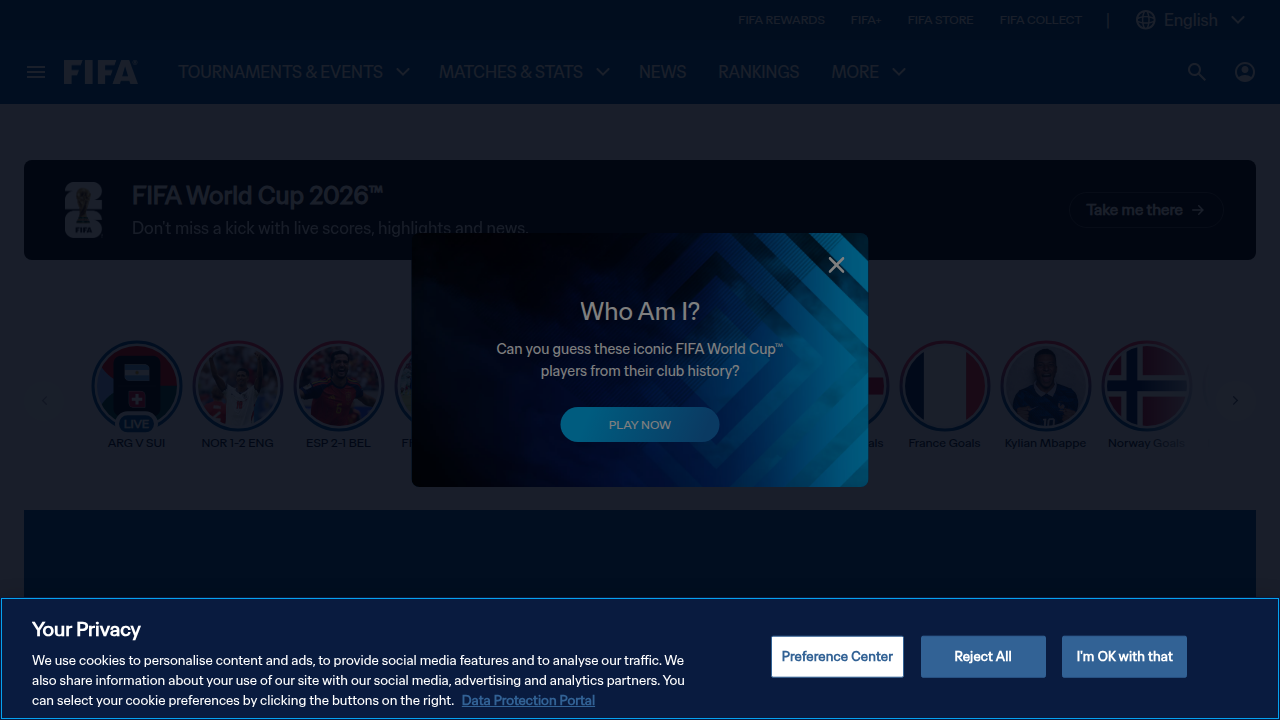
FIFA 2026 Shifts to 1080p HDR for Scalability and Cost. Also, people don’t just watch on TV anymore; they watch on social media, so "vertical video" is now a main way to show sports The 2026 Media Playbook for Sports. This means companies need to be ready for many different ways of showing sports.
This is where great sports images come in. They are not just pretty pictures; they tell the story of the game. When a fan sees a clear shot of a winning goal or a powerful moment of women in sports, they feel more connected. Better visuals make fans more excited and keep them watching longer. This also helps bring in more sponsors, who want their brands shown with top-notch broadcasts. The global market for sports broadcasting technology is expected to grow a lot, showing just how important these visual experiences are Sports Broadcasting Technology Market Size to Hit USD 154.53 Billion.
Our goal is to help big companies and event planners make these fantastic visual stories happen. We want to make sure everyone enjoys the action, from a local sports day to the biggest world championships. High-quality production and smart distribution of sports images mean more fans, more sponsors, and a stronger connection to the sport itself.
Want to understand more about our work and how we deliver world-class sports broadcasts? Learn More About TPT Global.
A great visual tells a powerful story. This is true for all kinds of media, but it’s especially true for sports. When we talk about amazing sports images, we mean more than just a clear picture. We’re talking about visuals that grab your attention and make you feel like you’re right there in the action. These images are carefully planned to make sure everyone watching, whether it’s a small local sports day or a huge championship, gets the full experience.
So, what exactly makes a sports image truly great for live TV and sharing online in 2026?
What You See: Framing the Moment
First, it’s all about how the camera sees the game. This means:
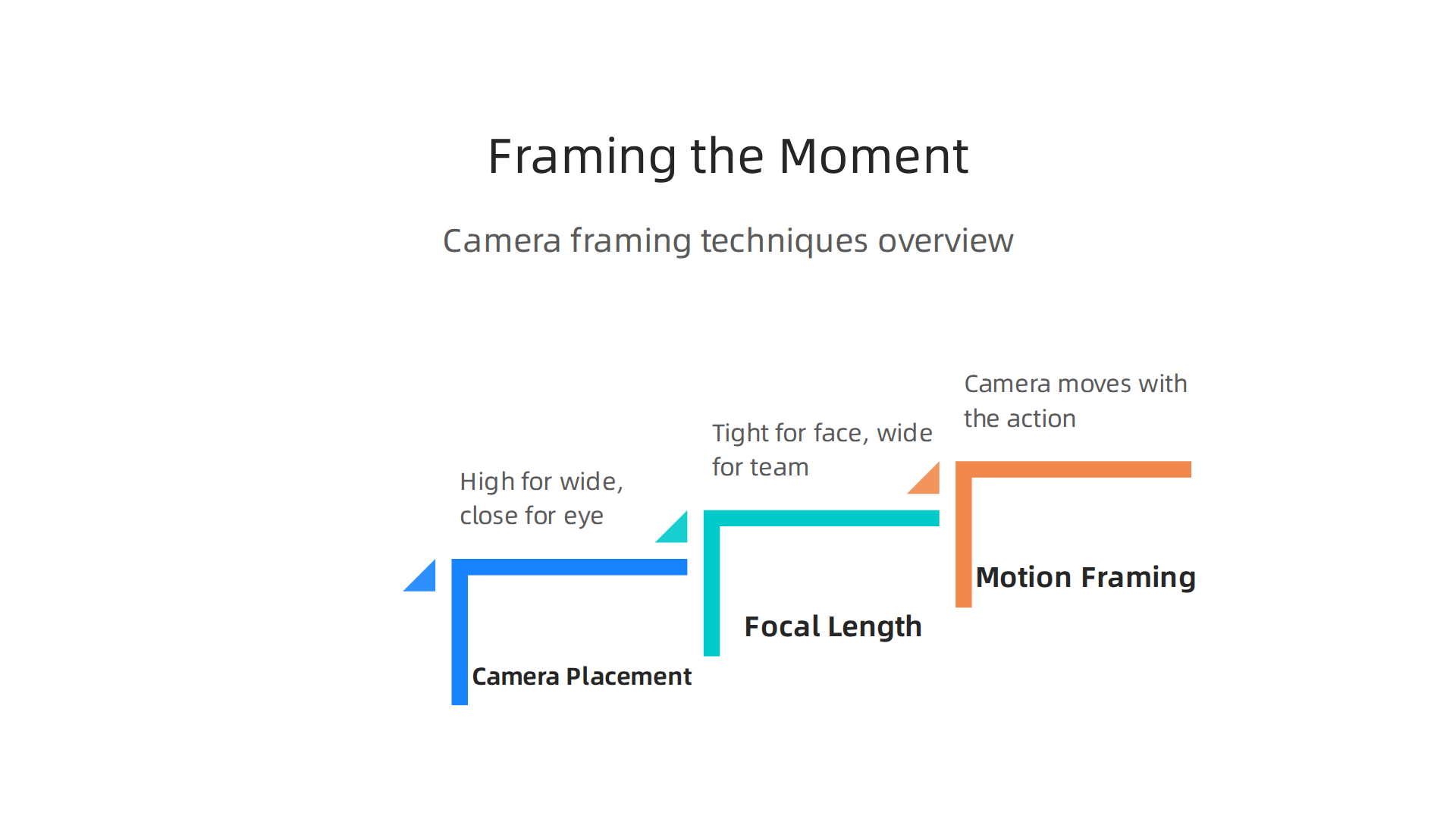
- Camera Placement: Where are the cameras set up? High up for a wide view, or close to the ground for a player’s eye view? For a game like Texas Tech football, you need cameras all around the field. Different spots help show different parts of the story.
- Focal Length (Zoom): How close or far away the shot is. A tight shot can show the look on a player’s face, while a wide shot shows the whole team working together. Good sports images use different zooms to keep things interesting.
- Motion Framing: How the camera moves with the action. This helps capture the speed and power of the sport, whether it’s a fast break in basketball or a critical play in Texas AM football.
These choices help tell the story of the game. For example, a tight shot on a player before a big kick can show their focus and determination. Experts agree that having a clear plan for your shots helps you tell a better story with your sports images 7 Pro Tips For Creating Sports Images That Tell A Story.
How Clear It Is: Technical Quality
Next, a great sports image must be technically excellent. This means:
- Sharpness and Clarity: The picture needs to be crisp and clear, so you can see every detail. No blurry players or fuzzy balls.
- Good Lighting: Even in big stadiums, lighting is key. For today’s high-definition broadcasts, especially with 4K and HDR (High Dynamic Range), stadium lights need to be very stable and friendly to cameras FIFA Broadcast Lighting Requirements for 4K and HDR 2026 Guide.
- Capturing Motion: Sports are all about movement. The cameras and equipment need to be fast enough to freeze or smoothly follow quick actions without making them look choppy.
In 2026, people expect super clear pictures on all their devices.
The Story It Tells: Narrative Elements
Beyond just looking good, the best sports images tell a story. They capture:
- Emotion: The joy of winning, the frustration of a missed shot, the sheer effort of an athlete. These feelings connect fans to the game.
- Key Moments: The winning goal, the incredible catch, the photo finish. These are the moments everyone remembers.
- The Big Picture: Showing how the game unfolds, the challenges, and the triumphs. It’s like watching a real-life drama play out.
All these parts come together to serve different groups. Fans want exciting visuals that make them feel close to the game. Sponsors want their brand logos and messages seen clearly in high-quality broadcasts. Rights-holders (the companies that own the broadcasting rights) want to make sure their sport looks amazing to keep viewers engaged and attract more partners.
By thinking about all these things, from camera angles to lighting and storytelling, we can create truly unforgettable sports images.

This ensures that every broadcast connects deeply with audiences everywhere.
Want to see how we bring these principles to life? Explore Our Broadcast Services.
Getting a great sports image from the field to your TV or phone is a journey with many steps. This journey is called a production workflow. It’s like a finely tuned machine where every part must work perfectly together. If one part breaks down, the final picture might not be as good.
Here are the main steps in this workflow and where things can go wrong:
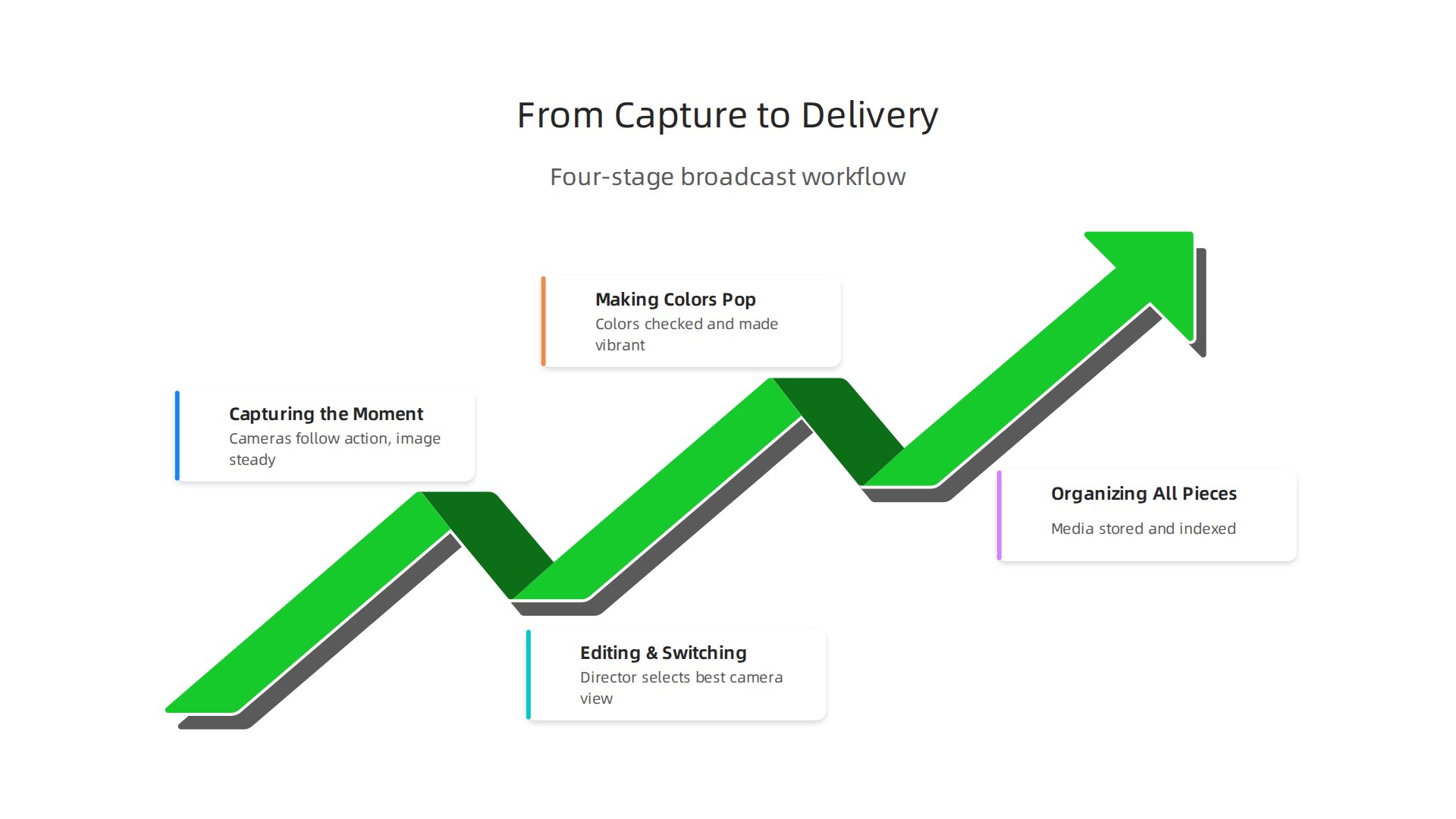
Capturing the Moment
This is where the cameras do their work. Skilled camera operators use their eyes and equipment to follow the action, whether it’s a fast race or an exciting play in Texas Tech football. They need to make sure the picture is clear and steady. If the cameras are not set up correctly or the lighting isn’t right, the picture quality can suffer from the very start. Sometimes, it’s hard to capture every key moment when there’s so much happening on a busy sports day.
Live Editing and Switching
As the game happens, a director and their team watch many camera feeds at once. They decide which camera’s picture to show next. This "live edit" creates the flow of the broadcast. Think of it like telling a story very quickly. They switch between wide shots, close-ups of players, and slow-motion replays. If the editor is slow or chooses the wrong shot, the story of the game can get confusing or lose its excitement.
Making Colors Pop
After the live action, or sometimes even during it, the colors in the pictures are checked and adjusted. This is called color grading. It makes sure the grass looks green, the team uniforms look right, and everything looks vibrant on your screen. Bad color grading can make even the best shots look dull or unnatural.
Organizing All the Pieces
Every single picture and video clip captured during the event needs to be organized. This is called asset management. It’s like a huge digital library. Making sure all these parts are stored correctly and can be found quickly is very important, especially for highlights and replays. An efficient system helps to speed up the whole process, from filming to sharing with fans. Tools and systems that bring all these steps together help a lot. Many sports broadcasters are now moving towards unified systems to manage this complex process, helping them do more with less work
Unified Broadcast Workflows: The Future of Enterprise Sports ….
Working Together is Key
For the story in our sports images to stay strong from start to finish, everyone involved must work closely. This means:
- Camera Teams and Directors: They need to talk constantly. The director tells the camera operators what kind of shots they need, and the operators tell the director what great moments they are seeing. This teamwork ensures that shots of incredible athleticism, or the determined look on a player’s face from a women in sports event, are not missed.
- Production and Post-Production: The people making the live show need to think about how the pictures will be used later. For example, will a slow-motion replay also be a quick clip for social media? Making sure everyone is on the same page helps keep the look and feel of the sports images consistent across all platforms.
By planning well and working together, production teams can make sure that the magic of live sports images is kept alive and shared perfectly with everyone watching. It’s about bringing the excitement of the game to life, every single time. To learn more about how our expert team simplifies this complex process, you can find out more about our unified approach to live sports production.
Ready to see great production in action?
Watch Our Latest Broadcast Work
Beyond the skilled hands of the production team, top-notch sports images depend on some very important technical things. This all starts with the cameras. Good cameras use special parts called sensors and lenses. These are like the eyes of the broadcast, capturing every detail. Better sensors can gather more light and information, which makes the picture super clear and vibrant. High-quality lenses make sure the action, like a fast sprint or a close-up of a determined player, looks sharp and focused. Choosing the right camera gear is the very first step to getting amazing sports images.
Once cameras capture the raw pictures, these images need to be squeezed into a smaller size for sending, especially over the internet. This is where "codecs" come in. Think of a codec as a special language that turns big video files into smaller ones without losing too much quality. Different codecs work in different ways. The better the codec, the clearer the picture will look after it’s made smaller and then expanded again on your screen. Along with codecs, "bitrate" is key. Bitrate is simply how much information is packed into the video stream each second. A higher bitrate usually means better picture quality, but it also needs a faster internet connection to stream smoothly. Finding the right balance between quality and file size is important for getting great sports images to everyone, whether they’re watching a small game or a big Texas A&M football championship.
And then there’s "low-latency streaming." This means there’s very little delay between when the action happens live and when you see it on your screen. For live sports, this is super important! Nobody wants to hear their neighbor cheer for a goal seconds before they see it on their TV. A low-latency stream usually has a delay of just 2 to 6 seconds, making it feel almost like real-time
Understanding Low-latency Video Streaming – ImageKit. Some very fast systems can even get it down to half a second, which is called ultra-low latency Ultra Low Latency Video Streaming: Use Cases & Guide 2026. In 2026, many broadcasters are working hard to lower this delay for sports fans Why to Invest in Lowering Sports Streaming Latency in 2026. This fast delivery helps keep the excitement high and ensures everyone across the world sees the same moment at nearly the same time. This is especially tricky when managing broadcasts for different time zones and platforms, making sure those sports images arrive perfectly synchronized.
All these technical parts: cameras, codecs, bitrate, and low-latency streaming, must work together perfectly.

When they do, the result is consistent, high-quality sports images that capture every thrilling detail. It takes a lot of know-how to set up and manage these complex systems. Our approach aims to simplify your live sports production with a unified end-to-end solution. If you’re looking for expert help to simplify your live sports production and ensure top-notch image quality, you can Explore Our Broadcast Services to see how we handle these technical challenges. Want to discuss your specific broadcast needs and challenges? Request a Broadcast Consultation with our team of experts.
The last section talked about how cameras, codecs, and low-latency streaming bring exciting sports images to life. But getting those images to fans all over the world, on many different screens, is a whole other challenge. This is where a smart global distribution plan comes in.
Imagine a big sports event, like a Texas A&M football championship game. To get that game to viewers quickly, no matter if they’re in Texas or halfway across the globe, broadcasters use something called Content Delivery Networks, or CDNs. Think of a CDN as a giant web of computers spread out everywhere. When you watch a stream, the CDN sends the video from a server close to you, not from far away. This makes the stream faster and smoother, helping to keep those amazing sports images looking good.
Beyond CDNs, there are other ways to make sure the quality stays high. Regional ingest points mean that video signals are brought into the network from many places. And cloud-native delivery uses the internet’s "cloud" to process and send videos, which is very flexible and can handle lots of viewers at once. This whole setup helps ensure consistent image quality, whether it’s for a big sports day celebration or just a regular game.
But it’s not just about speed and reach. Every country has its own rules for broadcasting, called "rights." And viewers often want to watch in their own language, which is "localization." Broadcasters also need to prepare sports images for many kinds of devices. For example, a phone needs a different kind of video file (a mobile codec) than a big living room TV. Today, producing content with a "digital-first" mindset means creating native vertical video feeds for mobile users, recognizing it as a primary format in 2026 The 2026 Media Playbook for Sports. This is important for reaching all fans, whether they’re watching Texas Tech football on a huge screen or women in sports on their smartphone. To really connect with viewers across different platforms, you need The broadcast approach that drives FSU football fan engagement.
A big trend in 2026 is High Dynamic Range (HDR) video. HDR makes colors brighter and more true to life, bringing out even more detail in sports images. This is very popular for watching big events. Interestingly, even big events like FIFA 2026 had to adjust their plans, deciding to offer 1080p HDR alongside 2160p HDR to make it easier for more people to watch with great quality FIFA 2026 Shifts to 1080p HDR for Scalability and Cost. This shows how important it is to be flexible and think about different platforms and viewer needs.
Making sure all these different aspects work together for a global audience is a big job. It needs careful planning to deliver top-notch sports images everywhere. For complex international sports broadcasts, understanding official standards, like those from the ICC Official Website for cricket, can be crucial. If you’re managing a global sports event and need to ensure your broadcast reaches every fan with perfect clarity, it’s wise to partner with experts. You can Chat now on WhatsApp for direct assistance.
TPT GLOBAL is an integral part of the TransGroup of companies with over 35 years of experience in the Sports Industry. TPT GLOBAL inception brought a transformative shift to Pakistan’s sports production industry by harnessing cutting-edge tools to elevate production standards to an international level. Today, TPT is leaving its footprints in the global arena. Get in touch to discuss how we can help.
Getting those amazing sports images to fans everywhere is a big job. But new tools are making it easier and better than ever before. In 2026, things like Artificial Intelligence (AI), cloud computing, and remote production are changing how we watch live sports. These tools help make sure every fan gets to see the action with great clarity.
AI Makes Sports Images Smarter and Better
AI is like a very smart helper for sports broadcasts. It does many things to improve how sports images look and are used.
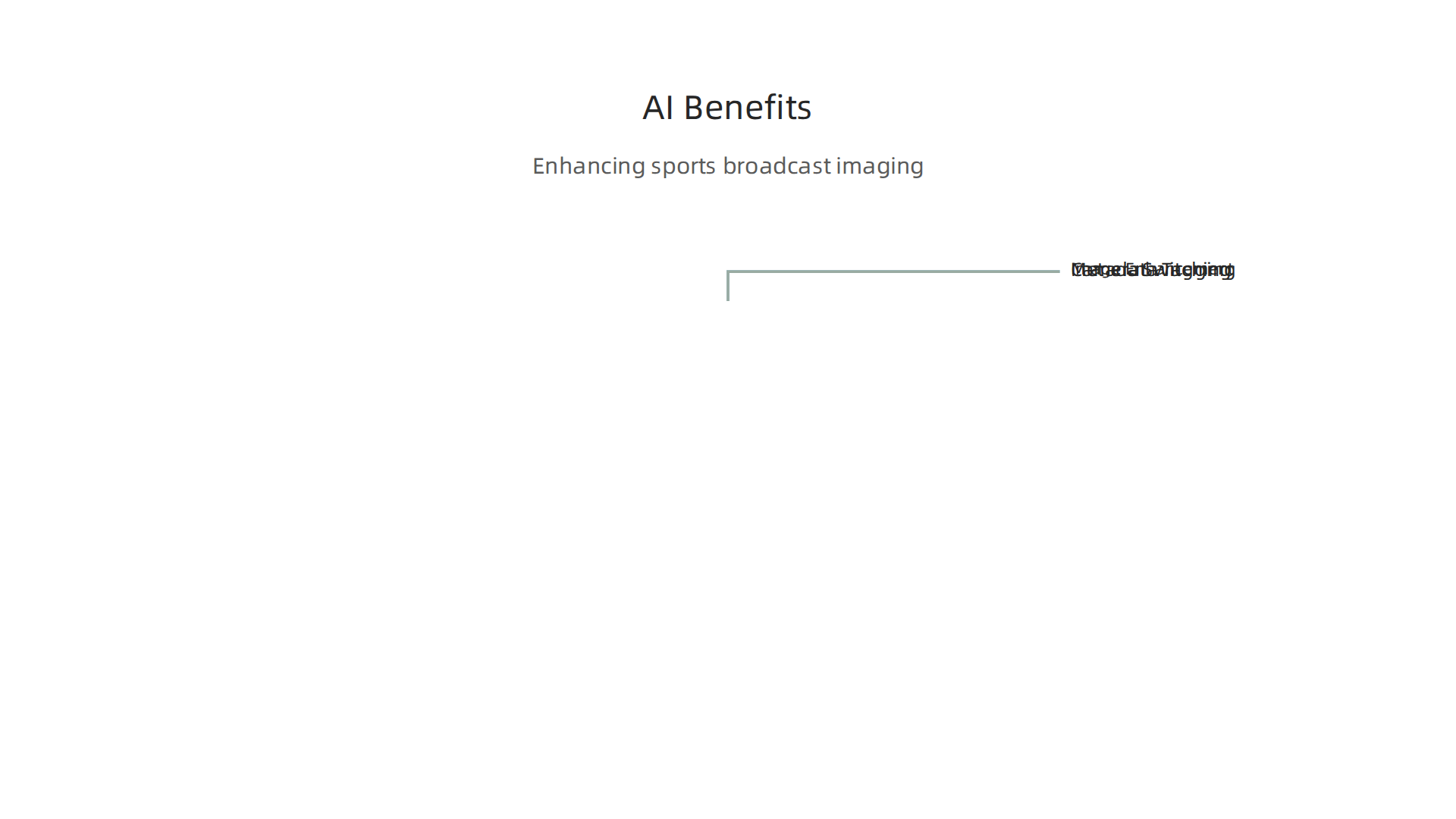
For example, AI can make pictures look clearer and brighter, which is called image enhancement. This means when you watch a texas am football game, every detail looks sharp.
AI also helps with camera switching. Imagine many cameras pointing at the field. Instead of a human needing to pick every shot, AI can learn the game and automatically switch to the best camera view. This makes the broadcast feel smooth and exciting, capturing all the key moments. AI is becoming a main part of how media works, not just a new idea for the future, helping to improve efficiency and lower costs NAB 2026 – AI, Streaming, and the Transformation of the Media Industry.
Another cool thing AI does is metadata tagging. This means AI can quickly label and sort different parts of a game, like goals, touchdowns, or great plays. This makes it super easy for broadcasters to find and share highlights, creating more stories around the sports images. This is especially helpful for things like a big sports day recap or showing off amazing plays by women in sports.
Cloud and Remote Production Keep Teams Connected
Beyond AI, the way sports images are produced is also changing because of cloud and remote production. Think of "the cloud" as a giant online storage and work space. Using the cloud means broadcast teams can work from anywhere. This is great for live sports because games happen in different places all the time, and the number of viewers can change quickly Cloud Workflows Are Redefining Live Sports Production.
Remote production means that many parts of a broadcast, like editing or adding graphics, can be done by a team that is not at the stadium. This helps reduce how many people need to be on-site at a game, like a texas tech football match. Even though teams are not there, they still have full creative control over the final sports images. This makes broadcasts more flexible and often saves money. These ways of working are also pushing toward a unified way of doing things, where all the tools work together smoothly Unified Broadcast Workflows: The Future of Enterprise Sports ….
These emerging tools are making it possible to create and share high-quality sports images more efficiently than ever before. They help broadcasters reach more fans with richer, more exciting content.
Ready to see how these advanced tools can bring your sports content to life? You can Explore Our Broadcast Services to learn more.
After exploring how AI and cloud tools make sports broadcasts better, it is clear that getting amazing sports images to fans is a big job. But just having the tools is not enough. We also need to make sure the quality is always top-notch. In 2026, ensuring excellent quality, smooth flow, and proper rules for sports images is super important, especially when dealing with live events. This part is called "quality assurance" and "governance," and it helps make sure every fan gets the best viewing experience possible.
Quality Assurance, Measurement, and Governance for Sports Images at Scale
First, let us talk about the look of the sports images. This means checking that the picture is sharp, the colors are right, and there are no glitches. A big part of this in live sports is "latency." This is the tiny delay between what happens live and what you see on your screen. For fans, especially when watching a fast-paced football game, a very short delay is key. A good stream usually has a delay of 2 to 6 seconds Understanding Low-latency Video Streaming. Some really advanced setups can even get this delay down to less than a second Ultra Low Latency Video Streaming: Use Cases & Guide 2026. Checking for low latency makes the viewing experience feel truly live and exciting. This commitment to quality is what truly drives fan engagement, much like how a strong broadcast approach drives FSU football fan engagement.
Beyond just looking good, sports images need to be consistent. This means camera angles, graphics, and sound should feel like one smooth show, even if many teams are working on it. Imagine a big sports day event; all broadcasts should have the same high standard. Also, it is super important for broadcasts to be "brand-safe." This means avoiding anything that could be upsetting or inappropriate. And do not forget "rights compliance." Every piece of content, every image, must follow rules about who owns it and how it can be used. This protects the broadcasters and the sports leagues.
Today, many different companies often work together to bring you sports images. One company might handle cameras, another handles graphics, and a third streams the video. This is called a "multi-vendor setup." To make sure everything works well, there needs to be a clear plan, or "governance." This plan sets the standards for quality, explains how everyone communicates, and what to do if something goes wrong. It is like having a clear playbook for all the different players on the broadcast team. This way, if a problem happens, everyone knows who is responsible for fixing it quickly. This helps keep the quality of the broadcast high, no matter how many groups are involved. Building on a 40-year legacy, Trans Group provides a single-window solution for every aspect of the game, managing commercial strategy with immersive production capabilities.
Making sure all these parts work together is a big task. It guarantees that fans get the best view of the game, ensuring every important moment, great play, and women in sports highlight is shown perfectly and responsibly. From ensuring low latency to managing complex multi-vendor teams, the goal is always to deliver an amazing experience. Why Choose TPT Global for your comprehensive live sports broadcast production needs.
To truly show why investing in great sports images is important, we need to prove its value. This means looking at numbers and showing how better pictures and broadcasts help the business. Think about it like this: if you make the sports day experience amazing, how does that help the teams and sponsors?
Proving Value: Structuring Case Studies and ROI from Improved Sports Images
After making sure every broadcast offers an amazing experience, the next step is to show how that quality pays off. For those who pay for the broadcasts, like sports leagues or big brands, they want to see a return on their money. This is where "Return on Investment," or ROI, comes in. It means showing that the money spent on improving sports images brings back even more value.
We measure this value using important numbers called Key Performance Indicators (KPIs).
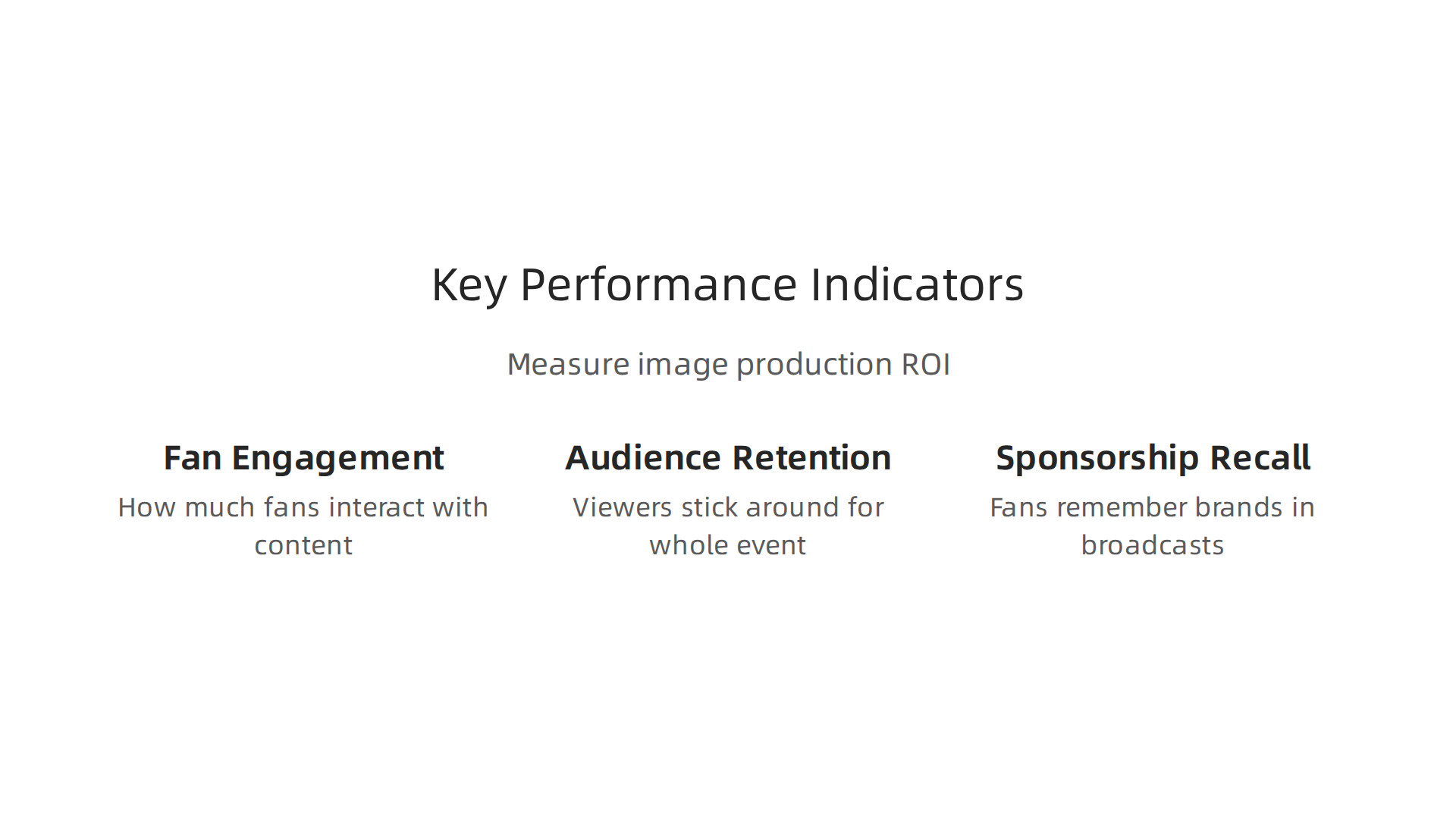
These are like scorecards for our broadcasts. Some key KPIs include:
- Fan Engagement: How much do fans interact with the content? This includes things like how many people watch, how long they watch, if they share clips, and if they comment on social media. Better sports images and storytelling can make fans more excited and engaged How to tell a story in Sports Photography!.
- Audience Retention: Do viewers stick around for the whole game or event? If the quality is high and the visual story is gripping, people are more likely to stay tuned in.
- Sponsorship Recall: For companies that advertise during games, do fans remember their brands? Clear, well-placed logos and smooth broadcasts help sponsors get noticed. For example, think about how fans engage with Texas A&M football or Texas Tech football games. When the broadcast is top-notch, sponsors get better visibility.
To show this value to important people like team owners or broadcast partners, we need to gather evidence. We can collect data on viewer numbers, social media trends, and even conduct surveys to ask fans what they liked. For example, better coverage of women in sports or special moments on a big sports day can lead to more shares and buzz.
By showing clear numbers that prove fans are more engaged and sponsors are happier, companies can justify why they need to spend money on better cameras, editing tools, and skilled teams.
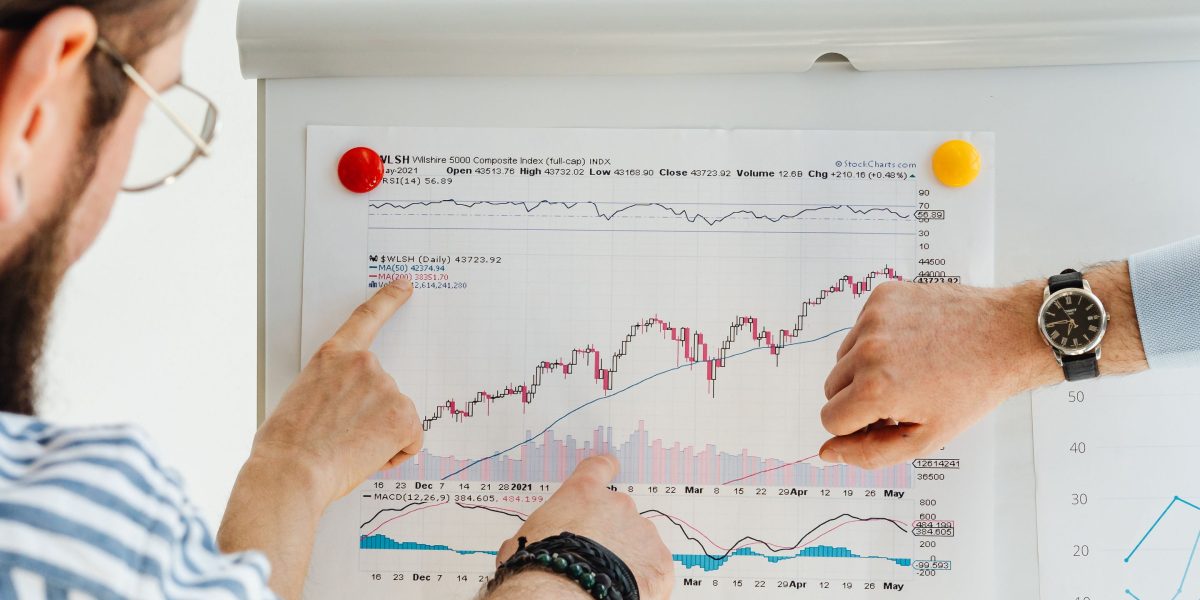
This helps everyone understand that investing in high-quality sports images is not just about making things look nice; it’s about making the business stronger.
Are you ready to see how professional broadcasts can make a difference for your audience and sponsors?
Watch Our Latest Broadcast Work
Summary
This article explains how to deliver world-class sports images in 2026 by combining creative planning, technical excellence and smart distribution. It covers practical topics from camera placement and motion framing to sensor and lens choices, codecs, bitrate and the need for low-latency streaming. You’ll learn how a unified production workflow—capturing, live switching, color grading and asset management—keeps stories consistent across TV and mobile, and why CDNs, regional ingest and cloud-native delivery matter for global reach. The piece also shows how AI, remote production and cloud tools speed workflows and improve highlights and metadata. Finally, it explains governance, quality assurance and how to measure ROI so broadcasters and sponsors see clear business value.