




Why Iowa State football matters for global broadcasters — problems and promise
College football is a huge deal, and games for teams like Iowa State football capture a lot of hearts.
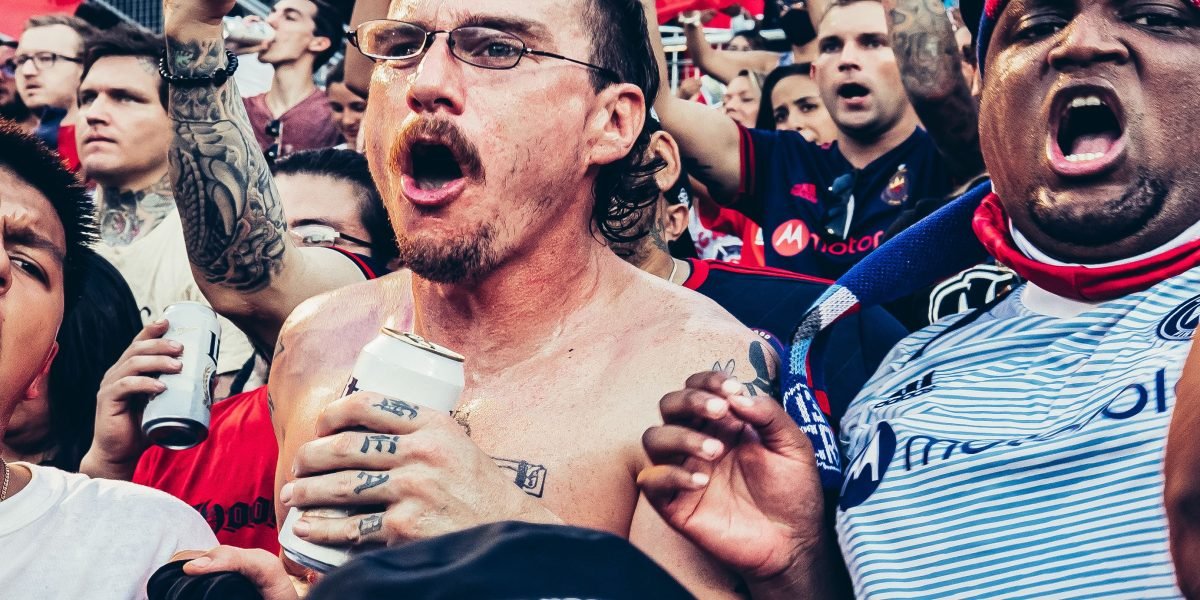
These games are not just fun to watch, they also offer a big chance for companies that broadcast sports. There’s a lot of passion for these teams, a steady schedule of games each year, and many people across the country and even the world want to tune in.
Think about the strong support for Iowa State football. Their home stadium, Jack Trice Stadium, sees huge crowds. Since 2023, the team has welcomed more than 60,000 fans to its home games every year [Iowa State Cyclones football – Wikipedia]. This kind of loyalty means many eyes are watching, whether it’s for Iowa State football or even rivals like Iowa Hawkeye football. The football season happens at the same time each year, making it easy for big broadcast companies to plan their coverage well in advance. People everywhere are interested, making these games important for TV channels and streaming services.
But bringing these exciting games to viewers around the world is not always easy for big broadcasters. They face some real hurdles:
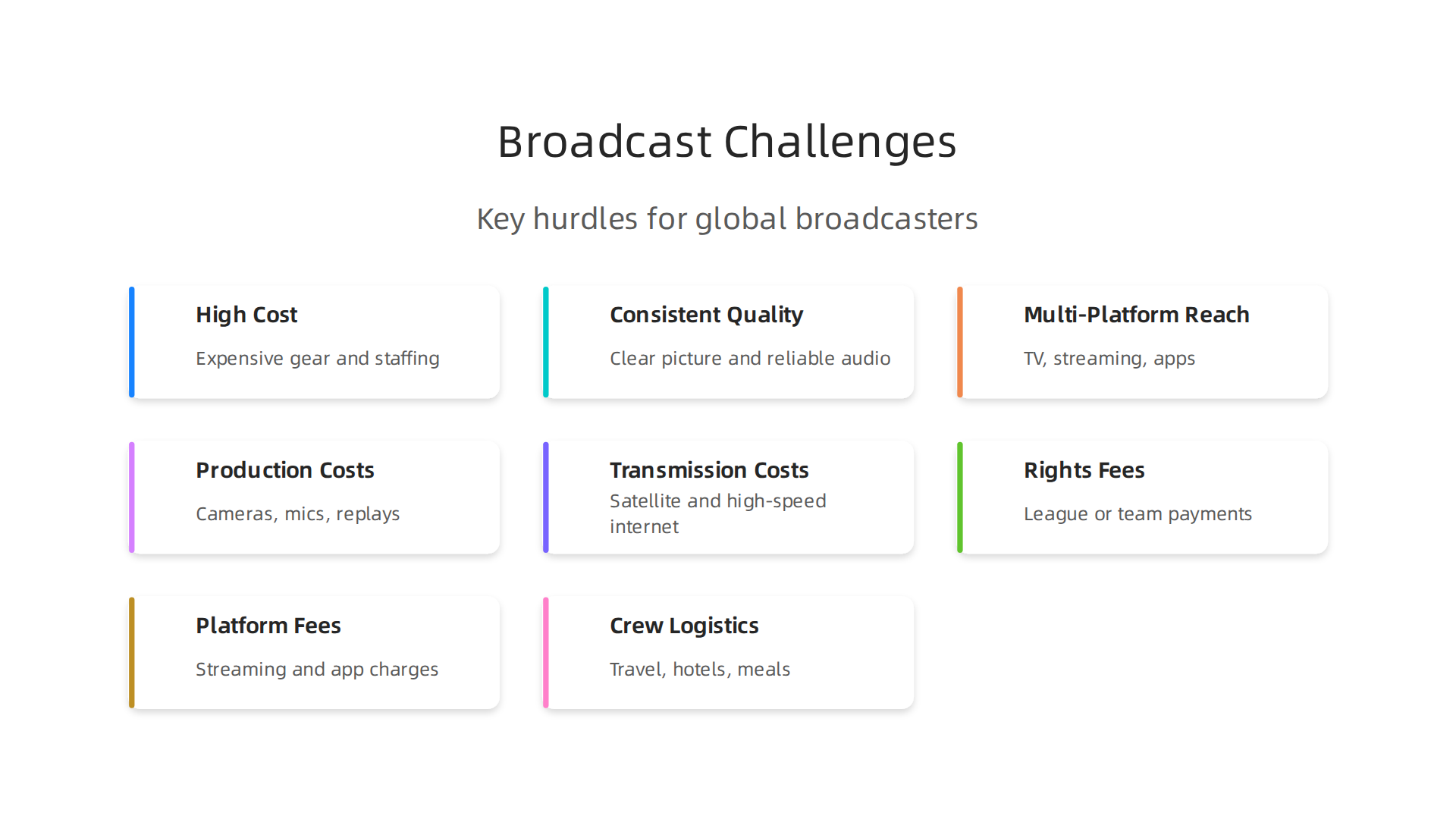
- High Cost: It takes a lot of money to produce a live game. This includes expensive cameras, sound gear, and the team of people needed to make everything run smoothly.
- Consistent Quality: Making sure the picture is always clear and the sound is perfect, no matter where people are watching, is a big job. From a big screen TV to a phone, the quality needs to be top-notch all the time.
- Multi-Platform Reach: Broadcasters need to show the game on many different places. This means traditional TV, online streaming, and even apps on phones and tablets. Reaching everyone everywhere can be tricky.
These challenges mean that even with a popular team like Iowa State football, putting the game out there for a global audience requires smart solutions. Broadcasters need ways to Unlock Global Reach And Revenue With Your WVU Football Broadcast without breaking the bank or losing quality.
To learn more about how expert partners can help navigate these challenges and deliver world-class sports broadcasts, you can Learn More About TPT Global.
1) The Iowa college football landscape and audience profile
To truly understand why teams like Iowa State football are so important for broadcasters, we first need to look at the whole picture of college football in Iowa. The state is home to passionate fans who follow their teams with great devotion. The two biggest teams are the Iowa State Cyclones and the Iowa Hawkeye football team. Iowa State plays in the Big 12 Conference, while the Iowa Hawkeyes are part of the Big Ten Conference. This means both teams play against top-level competition, which brings lots of excitement.
The fall football season is the biggest time of the year for these teams, and it creates a natural rush of demand for broadcasts. A key event is the yearly rivalry game between Iowa State football and Iowa Hawkeye football, known as the Cy-Hawk Series. This game always draws huge attention both inside and outside the state. The long history of fan support shows just how big these games are. For example, Iowa State has seen impressive attendance numbers, with more than 60,000 fans in Jack Trice Stadium for home games since 2023 [Iowa State football season ticket sales on track as Jimmy Rogers suggests fans to ‘come out and support’] and setting a school record average of 60,862 fans per game in 2025 [Iowa State sets highest average home attendance mark in school history at 60,862 fans per game]. This loyalty helps create a strong audience profile.
The audience for Iowa State football and other major college teams isn’t just local anymore. While many fans live in Iowa, a large number are spread across the country and even around the world. These fans stay connected through various means:
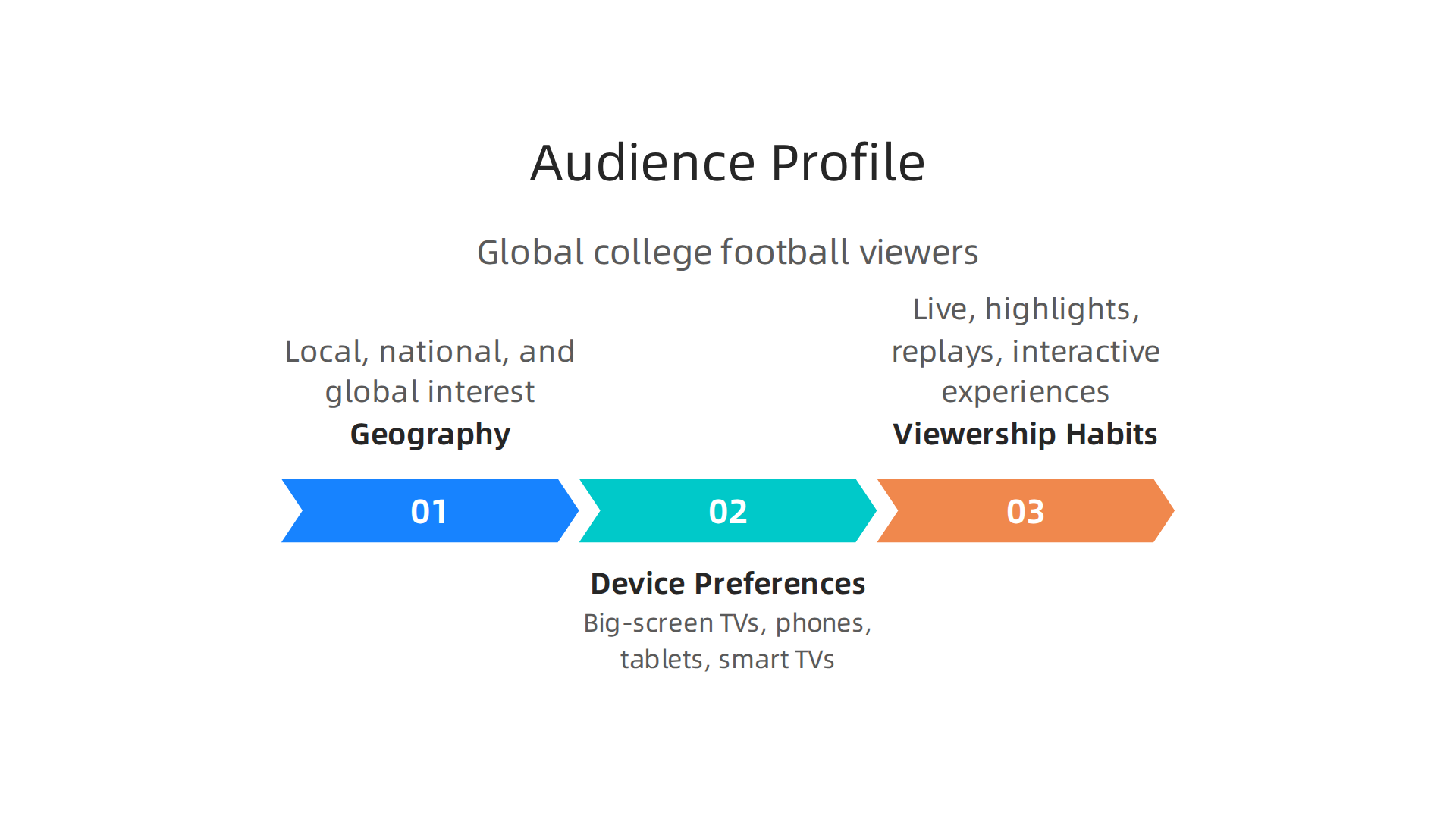
- Geography: Besides local supporters, former students and fans of teams like UNC football or Iowa Hawkeye football live in every state. Plus, global interest has grown, with fans watching from many different countries, often through streaming services.
- Device Preferences: People are watching games in more ways than ever before in 2026. While many still tune in on traditional big-screen TVs, a lot of viewing happens on phones, tablets, and smart TVs. This means broadcasters need to make sure the game looks good on any device.
- Viewership Habits: Fans love to watch games live, but they also want more. Many look for highlights, replays, and behind-the-scenes content. Interactive experiences, like live polls or prediction games, are also becoming very popular [Six Essential Priorities for Sports Streaming Success in 2026]. This change in how people watch offers new ways for broadcasters to make money, such as through subscriptions, pay-per-view options, or ads [OTT Sports Streaming in 2026: Platforms, Monetization & …].
Understanding these different ways people watch helps broadcasters offer the best viewing experience. It also shows why they need advanced solutions to reach all these fans, no matter where they are or how they prefer to watch. If you want to see how top-tier content is brought to life for a global audience, you can Watch Our Latest Broadcast Work.
To make sure these broadcasts reach everyone smoothly and clearly, professionals need to stay on top of the latest technology. This also applies to planning, where knowing the schedule for teams like the Ohio State Buckeyes can help broadcasters prepare effectively mastering broadcast planning with the 2026 ohio state football schedule.
2) Scheduling, rights windows and peak-demand events for Iowa State football
Making sure everyone can watch Iowa State football games means a lot of careful planning.
It’s not just about showing up with cameras. It starts with the game schedule and who has the rights to show the games.
How Scheduling Affects Broadcasts
The schedule for college football games changes how broadcasters plan their work. Key things that matter are:
- Home vs. Away Games: When Iowa State football plays at home, it’s a big event for local fans. Away games mean broadcasters have to travel and set up in new places. Each location needs its own plan.
- Conference Matchups: Games against other Big 12 teams are very important. They often get prime TV spots because more fans want to watch. This is also true for other big conference games, like those involving Iowa Hawkeye football in the Big Ten.
- TV Windows: Networks pick game times to get the most viewers. For example, some games are set for early afternoon, while others might be at night. The exact kick-off times for the first few weeks of the season are often decided by late May [Breaking down the CFB TV selection process]. But later in the season, game times can change based on how well teams are playing. This means broadcast teams must be ready to adjust quickly.
Getting the schedule early helps production companies like TPT Global plan out all the needed equipment and staff for each game. It is a big puzzle to solve for every week of the season.
Understanding Media Rights and Distribution
Before a game can be shown, someone needs to own the "media rights." These are like special licenses that let a broadcaster or streaming service show the games. In college sports, these rights are usually sold by the big conferences, not individual schools [To Pool, or Not to Pool: Understanding CFB Media Rights]. So, for Iowa State football, the Big 12 Conference sells the rights to its games. The Big Ten does the same for teams like Iowa Hawkeye football.
Here’s how it generally works:
- Exclusive Deals: Conferences sign deals with major TV networks like Fox, CBS, or ESPN. These networks then have the sole right to show certain games [College Sports TV Deals]. For example, the Big Ten split its rights among Fox, CBS, and NBC [College Sports Media Rights Deep Dive].
- Blackout Rules: Sometimes, a game might be "blacked out" in a certain area. This means you can’t watch it on TV or stream it if you are too close to where the game is being played. These rules are put in place to encourage fans to buy tickets and go to the games in person. They also help local TV stations keep their audiences.
- Territory Rules: These rules decide which areas can see which broadcast. For global fans, this means a game might be available in one country but not another due to different agreements. Even big names like UNC football face these same kinds of rules.
The NCAA also has its own media rights deals, especially for championships. For instance, ESPN has a long agreement for many NCAA championship events [ESPN and NCAA Reach New, Eight-Year Media Rights Agreement].
Managing these complex rights and schedules is crucial for getting games to fans everywhere. It takes a lot of skill and technology to ensure a smooth broadcast, no matter the challenges. If you are looking for top-tier broadcast solutions, you may want to Request a Broadcast Consultation to discuss your project needs.
For broadcast teams, knowing these rules and schedules is vital. It allows them to simplify your live sports production with a unified end to end solution and make sure fans get to see every thrilling moment.
3) Technical production: scalable live workflows for Iowa State football
Once the schedule is set and the rights are clear, the next big step is making sure the game actually gets from the field to your screen. This is where technical production comes in. It’s all about picking the right tools and ways to do things, whether it’s for Iowa State football or other major events like Iowa Hawkeye football.
How Games Get Made for TV and Online
There are a few main ways broadcast teams produce live sports events. Each has its good points and bad points.
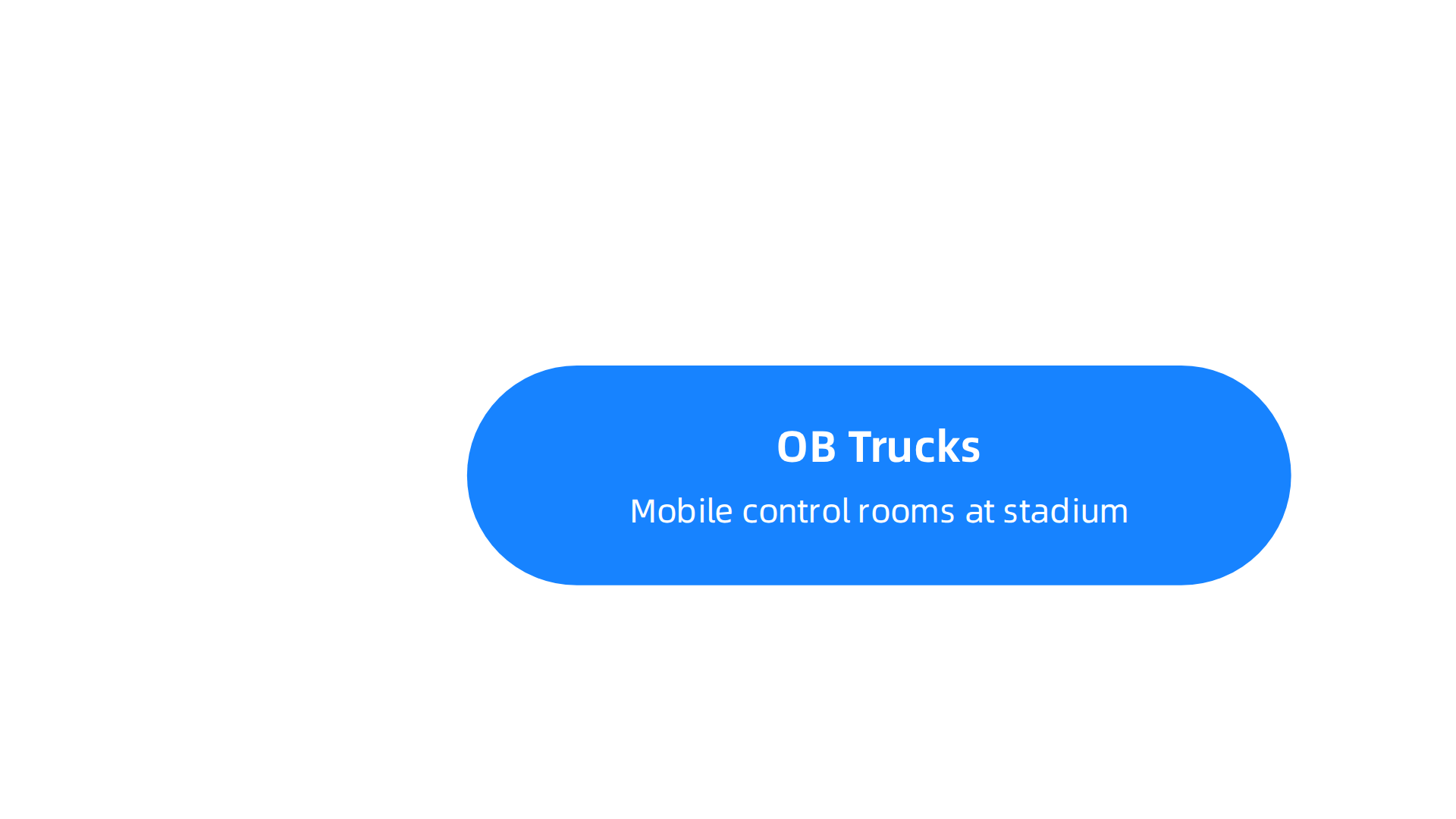
- OB Trucks (Outside Broadcast Trucks): These are like mobile control rooms that drive right to the stadium. They have all the cameras, sound mixers, and video switchers inside. This is the traditional way to do big live sports. It means everything needed is on-site, which can be great for quick changes. But these trucks are expensive to buy and move around.
- Remote Production: With this method, cameras are at the stadium, but the main control room is somewhere else, maybe hundreds of miles away. The video and audio signals travel through special high-speed internet lines. This can save money because you don’t need to move so many people and so much heavy gear to every game. It’s a popular choice in 2026 for many broadcasters.
- Cloud-Based Switching: This is a newer way of doing things. Instead of physical mixers and switchers, much of the work happens using powerful computers in the cloud (like on the internet). This can be very flexible, letting teams work from anywhere and scale up or down easily. It’s especially useful for events that might not need a huge crew on-site.
Choosing the right method depends on the game’s size, budget, and where the game is played. Making sure a broadcast is reliable and high-quality is key for any live sports event, and many companies focus on building reliable streaming infrastructure for live sports.
Making Sure Every Broadcast Is Top-Notch
No matter which production method is used, the goal is always a perfect broadcast. This means fans see clear pictures, hear everything, and don’t miss any action.
- Consistent Multi-Camera Quality: Imagine watching an Iowa State football game and one camera looks fuzzy while another is super clear. That wouldn’t be good! Broadcast teams work hard to make sure all cameras match in color, brightness, and sharpness. This gives viewers a smooth experience when the director switches between different angles. This attention to detail is part of what makes professional broadcasts better than unofficial ones, as discussed in Sportsurge Streams Are Risky: Why Professional Broadcasts Win Fans Over.
- Clear Commentary Feeds: The announcers add so much to the game. Their voices need to be clear and at the right volume, without any echo or background noise. This means careful setup of microphones and sound mixers.
- Keeping Latency Low: Latency is the small delay between what happens live and when you see it on your screen. For sports, lower latency is better so you don’t see a score update on your phone before you see the play. In 2026, many teams use special technology like Low-Latency HLS to optimize live video streaming for low latency and high quality.
- Redundancy for High-Stakes Games: What if a piece of equipment breaks down during a big game? This is where redundancy comes in. It means having backup systems ready to take over instantly. This can be backup cameras, extra power supplies, or duplicate internet connections. It’s like having a spare tire for your car. For important games, like a playoff match for UNC football, these backups are super important to avoid any blackouts or interruptions.
All these technical details work together to give fans the best possible view of the game. It takes a skilled team and the right technology to pull it off every time, meeting the high standards set by places like the ESPN Wide World of Sports Complex.
If you’re curious to see how a professional broadcast comes together, you can Watch Our Latest Broadcast Work to see examples of high-quality sports production. From camera setups to graphics, every part plays a role. To learn more about the different services available for big productions, you can also Explore Our Broadcast Services.
Making sure a broadcast looks good is one thing, but getting that crystal-clear picture to fans everywhere, without delay, is a whole other challenge. This is where how streams are built and sent out becomes very important, especially for big events like Iowa State football games.
How Streams Reach Everyone, Everywhere, Super Fast
When you watch a live game, the video doesn’t just travel straight from the stadium to your screen. It goes through a smart network designed to get it to you quickly, no matter where you are.
- Content Delivery Networks (CDNs): Think of a CDN as a giant postal service for video. Instead of one main post office, they have many small sorting centers all over the world. When you want to watch a game, the CDN sends the video from the closest sorting center to you. This cuts down the travel time, making the picture appear faster on your device. For live sports, using a global CDN is super important to reduce delays, as experts explain in 2026. This setup helps deliver content from the server closest to the viewer, which significantly reduces transmission delays What is Low Latency Video Streaming?: The Complete Guide.
- Edge Compute: These "sorting centers" often have special computers called "edge compute" servers. They are placed at the very "edge" of the internet, closer to you. These computers can do some work, like preparing the video for your device, even before it reaches you. This makes the whole process faster and smoother, helping bring the action of Iowa Hawkeye football games right to your living room without a hiccup.
- Low-Latency Protocols: To make sure you see the game almost as it happens, special rules or "protocols" are used. In 2026, many broadcasters use things like Low-Latency HLS (LL-HLS) and Low-Latency DASH (LL-DASH). These are like express lanes for video. They cut down the delay, also known as latency, to just a few seconds. This is much better than older methods that could have delays of 15 seconds or more Low Latency Streaming (2026): Best Solutions. For very fast, interactive needs, like if you were part of a live quiz during a game, something called WebRTC might be used, which offers delays of less than half a second. However, for most large sports broadcasts with millions of viewers, LL-HLS or LL-DASH are the practical choices in 2026 Achieving Sub-Second Latency for Sports Streams CDN Blog.
Keeping the Stream Smooth and Clear
Even with all this technology, things can sometimes go wrong. That’s why broadcast teams have ways to watch and keep the stream quality high.
- Monitoring: This means constantly checking the video and audio quality, the speed of the stream, and how many people are watching. If something starts to look fuzzy or slow, the team knows right away and can fix it.
- Quality of Service (QoS): This is a fancy term for making sure the video stream gets priority on the network. It’s like having a special pass to get through traffic faster. This helps keep the quality consistent, even if your internet connection isn’t perfect.
Making sure fans get a great experience, whether they are watching from across town or across the globe, is a big job. It needs smart planning and the right tools. If you are a large sports organization looking to ensure your broadcasts reach a global audience with top-notch quality, you might want to Request a Broadcast Consultation to discuss how these systems can work for your events. This ensures that every fan, even those following Iowa State football from afar, gets to enjoy the game with the best possible view. You can also explore options to unlock global reach and revenue with your WVU football broadcast.
Making sure a broadcast looks good is one thing, but getting that crystal-clear picture to fans everywhere, without delay, is a whole other challenge. This is where how streams are built and sent out becomes very important, especially for big events like Iowa State football games.
How Streams Reach Everyone, Everywhere, Super Fast
When you watch a live game, the video doesn’t just travel straight from the stadium to your screen. It goes through a smart network designed to get it to you quickly, no matter where you are.
- Content Delivery Networks (CDNs): Think of a CDN as a giant postal service for video. Instead of one main post office, they have many small sorting centers all over the world. When you want to watch a game, the CDN sends the video from the closest sorting center to you. This cuts down the travel time, making the picture appear faster on your device. For live sports, using a global CDN is super important to reduce delays, as experts explain in 2026. This setup helps deliver content from the server closest to the viewer, which significantly reduces transmission delays What is Low Latency Video Streaming?: The Complete Guide.
- Edge Compute: These "sorting centers" often have special computers called "edge compute" servers. They are placed at the very "edge" of the internet, closer to you. These computers can do some work, like preparing the video for your device, even before it reaches you. This makes the whole process faster and smoother, helping bring the action of Iowa Hawkeye football games right to your living room without a hiccup.
- Low-Latency Protocols: To make sure you see the game almost as it happens, special rules or "protocols" are used. In 2026, many broadcasters use things like Low-Latency HLS (LL-HLS) and Low-Latency DASH (LL-DASH). These are like express lanes for video. They cut down the delay, also known as latency, to just a few seconds. This is much better than older methods that could have delays of 15 seconds or more Low Latency Streaming (2026): Best Solutions. For very fast, interactive needs, like if you were part of a live quiz during a game, something called WebRTC might be used, which offers delays of less than half a second. However, for most large sports broadcasts with millions of viewers, LL-HLS or LL-DASH are the practical choices in 2026 Achieving Sub-Second Latency for Sports Streams CDN Blog.
Keeping the Stream Smooth and Clear
Even with all this technology, things can sometimes go wrong. That’s why broadcast teams have ways to watch and keep the stream quality high.
- Monitoring: This means constantly checking the video and audio quality, the speed of the stream, and how many people are watching. If something starts to look fuzzy or slow, the team knows right away and can fix it.
- Quality of Service (QoS): This is a fancy term for making sure the video stream gets priority on the network. It’s like having a special pass to get through traffic faster. This helps keep the quality consistent, even if your internet connection isn’t perfect.
Making sure fans get a great experience, whether they are watching from across town or across the globe, is a big job. It needs smart planning and the right tools. If you are a large sports organization looking to ensure your broadcasts reach a global audience with top-notch quality, you might want to Request a Broadcast Consultation to discuss how these systems can work for your events. This ensures that every fan, even those following Iowa State football from afar, gets to enjoy the game with the best possible view. You can also explore options to unlock global reach and revenue with your WVU football broadcast.
Cost structures, vendor consolidation, and operational efficiency
Getting a game like Iowa Hawkeye football to your screen is a big deal, and it costs a lot of money. Knowing where these costs come from helps sports groups save money and run things better.
Where the Money Goes
Think of all the things needed for a broadcast. Each one adds to the total cost:
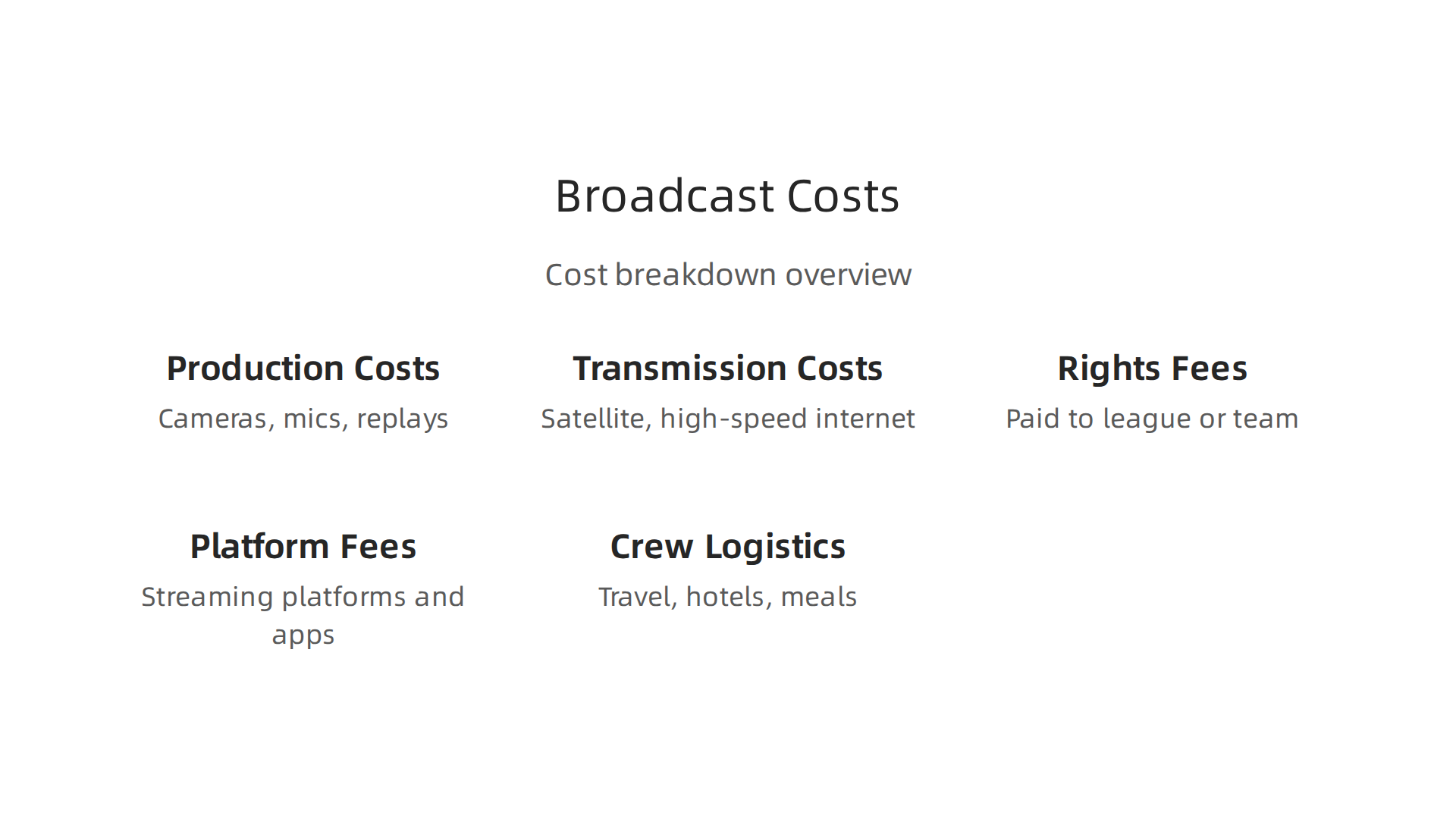
- Production Costs: This includes all the gear like cameras, microphones, special effects, and replay machines. It also pays for the people who run them, like camera operators, directors, and sound engineers. These costs make the show look professional.
- Transmission Costs: Once the game is recorded, it needs to be sent out. This involves paying for satellite time, high-speed internet connections, and those special networks that deliver video fast.
- Rights Fees: This is often the biggest cost. It’s the money paid to the sports league or team to get permission to show their games. In 2026, the money spent on sports rights is still growing, with global sports rights climbing to over $67 billion. Streamers alone are set to spend about $14.2 billion on these rights this year Streamers to spend ‘US$14.2bn’ on sports rights in 2026.
- Platform Fees: If a game is streamed online, there are costs for using streaming platforms, apps, and other online services. These fees help make sure the content can be seen on many different devices.
- Crew Logistics: The broadcast team needs to travel to games, stay in hotels, and eat. All these costs add up, especially for big events or when covering a team like unc football on the road.
These costs also affect fans. Many fans need to pay for several streaming services just to watch their favorite league, which can easily cost over $100 per month in 2026 How Expensive Watching Sports Has Become In 2026 – 97.9 The Beat.
Making Things Easier and Cheaper
Managing all these different parts of a broadcast can be tough. Imagine trying to coordinate ten different companies for one 506 sports broadcast. It gets complicated, and mistakes can happen. This is where "vendor consolidation" and "managed services" come in.
- Vendor Consolidation: This means working with fewer companies that can do more things. Instead of hiring one company for cameras, another for sound, and a third for streaming, you might find one "full-stack" partner that handles it all. This makes things much simpler and often saves money.
- Managed Services: This is when a specialist company takes over many or all of your broadcast needs. They handle the hard work, from setting up equipment to making sure the stream goes out smoothly. This helps big sports groups reduce their own workload and make sure everything runs well.
By using a single company for many parts of the broadcast, organizations can cut down on overhead and make things less complex. They can also adopt leaner ways of working, using smart technology to make operations more efficient. If you want to make your live sports production simpler with one easy solution, you can find out more about how to simplify your live sports production with a unified end-to-end solution. This type of approach helps organizations keep costs down while still putting on a great show for fans.
For sports organizations looking for a partner that can manage every step of the broadcast, from getting the media rights to putting on the live show, consider a "full-stack" agency. You can learn more about how a company like Trans Group offers a single solution for all these needs. If you are an enterprise looking to improve your broadcast operations and make them more efficient, you can also Get in touch with experts who can help.
Getting a game like Iowa Hawkeye football to your screen is a big deal, and it costs a lot of money. Knowing where these costs come from helps sports groups save money and run things better.
Where the Money Goes
Think of all the things needed for a broadcast. Each one adds to the total cost:
- Production Costs: This includes all the gear like cameras, microphones, special effects, and replay machines. It also pays for the people who run them, like camera operators, directors, and sound engineers. These costs make the show look professional.
- Transmission Costs: Once the game is recorded, it needs to be sent out. This involves paying for satellite time, high-speed internet connections, and those special networks that deliver video fast.
- Rights Fees: This is often the biggest cost. It’s the money paid to the sports league or team to get permission to show their games. In 2026, the money spent on sports rights is still growing, with global sports rights climbing to over $67 billion. Streamers alone are set to spend about $14.2 billion on these rights this year Streamers to spend ‘US$14.2bn’ on sports rights in 2026.
- Platform Fees: If a game is streamed online, there are costs for using streaming platforms, apps, and other online services. These fees help make sure the content can be seen on many different devices.
- Crew Logistics: The broadcast team needs to travel to games, stay in hotels, and eat. All these costs add up, especially for big events or when covering a team like unc football on the road.
These costs also affect fans. Many fans need to pay for several streaming services just to watch their favorite league, which can easily cost over $100 per month in 2026 How Expensive Watching Sports Has Become In 2026.
Making Things Easier and Cheaper
Managing all these different parts of a broadcast can be tough. Imagine trying to coordinate ten different companies for one 506 sports broadcast. It gets complicated, and mistakes can happen. This is where "vendor consolidation" and "managed services" come in.
- Vendor Consolidation: This means working with fewer companies that can do more things. Instead of hiring one company for cameras, another for sound, and a third for streaming, you might find one "full-stack" partner that handles it all. This makes things much simpler and often saves money.
- Managed Services: This is when a specialist company takes over many or all of your broadcast needs. They handle the hard work, from setting up equipment to making sure the stream goes out smoothly. This helps big sports groups reduce their own workload and make sure everything runs well.
By using a single company for many parts of the broadcast, organizations can cut down on overhead and make things less complex. They can also adopt leaner ways of working, using smart technology to make operations more efficient. If you want to make your live sports production simpler with one easy solution, you can find out more about how to simplify your live sports production with a unified end-to-end solution. This type of approach helps organizations keep costs down while still putting on a great show for fans.
For sports organizations looking for a partner that can manage every step of the broadcast, from getting the media rights to putting on the live show, consider a "full-stack" agency. You can learn more about how a company like Trans Group offers a single solution for all these needs. If you are an enterprise looking to improve your broadcast operations and make them more efficient, you can also Get in touch with experts who can help.
Rights management, compliance, and platform distribution choices
After thinking about how broadcasts are made and paid for, it’s also very important to understand the rules and who has the right to show certain games. This part is tricky because it involves many different groups and contracts.
Understanding Media Rights and What They Mean
Simply put, media rights are like special tickets that let a company show a game or event. For college sports, these rights are usually sold by conferences or the NCAA itself. For example, the Big Ten conference, which includes Iowa State football and Iowa Hawkeye football, has sold its rights to a few big TV networks like Fox and CBS. Each network gets specific times to show games, like Fox having the "Big Noon Saturday" slot College Sports Media Rights Deep Dive. This means when a game will air depends on these deals Breaking down the CFB TV selection process.
The NCAA also owns rights for its championships, which are then licensed out NCAA Television Rights Overview. These deals are very important because they decide where fans can watch games and for how long. They are licensing agreements that give broadcasters or streaming platforms the sole right to show games for a set time Decision Boundaries.
These rights also include agreements for ads and sponsorships. When a network buys the rights to show games, they also promise to air certain commercials or promote specific sponsors. This is a big part of how they make their money back.
Following the Rules: Compliance
Broadcasting isn’t just about showing the game; it’s also about following many rules. These rules make sure broadcasts are fair, safe, and available to everyone.
- Advertising Rules: There are strict rules about what can be advertised during games. For instance, ads for certain products might be limited or not allowed at all, especially during broadcasts seen by younger viewers. These rules help protect consumers and keep the content appropriate.
- Accessibility and Closed Captions: To make sure everyone can enjoy the game, broadcasts must be accessible. This means having things like closed captions (CC) for people who are deaf or hard of hearing. It’s about being fair and inclusive. For more details on reaching all fans, consider exploring a professional standard like the ESPN Wide World of Sports Complex sets the standard for sports broadcasting.
- Data and Privacy Rules: When games are streamed online, companies collect information about who is watching. There are laws and rules about how this information can be used and kept private, especially when broadcasts reach people in different countries. This is very important for national and international streaming to protect viewer privacy. Using professional, compliant streaming solutions also helps explain [why professional broadcasts win fans over](https://tptglobal.net/sportsurge-streams-are-risky-why-professional-broadcas ts-win-fans-over/) compared to unofficial streams.
Choosing Where to Show the Game
After all the rights are sorted and rules understood, sports organizations need to pick the best places to show their games. This is called platform distribution. Some games might go to traditional TV channels, while others go to special streaming apps, or even social media. The choices depend on the rights deals, who they want to reach, and how they want to make money. It’s a careful balance to get games like unc football to as many fans as possible while still meeting all the requirements.
If your organization needs help navigating the complex world of broadcast rights, compliance, and distribution choices for your global audience, you can Chat now on WhatsApp with experts ready to assist.
After learning about where games can be shown, the next big step is figuring out how to make money from them and keep fans excited. This is super important for college sports, especially for teams like Iowa State football.
Making Money from Games
Just having the rights to show a game is only the start. Sports organizations use many ways to earn money from their broadcasts in 2026.
- Subscriptions and Pay-Per-View: Many fans pay a monthly fee to streaming services to watch their favorite games. This is like a TV subscription, but online. Some special games might be "pay-per-view," meaning you pay just for that one game. A mix of these methods helps make the most money, letting sports properties build around their audience behavior and the value of their rights How to Monetize Sports Broadcast: 10 Proven Revenue Models. Combining different ways to pay, like subscriptions, pay-per-view, and free-with-ads, often brings in the most cash for platforms OTT Monetization Strategy 2026: SVOD vs AVOD vs TVOD vs Hybrid.
- Advertising: Just like on regular TV, ads are a big part of how money is made. These can be ads shown during breaks, or even small ads that pop up during the game without stopping the action. For example, during a 506 sports broadcast, you might see ads for local businesses or big brands.
- Sponsorships: Companies often pay to have their names or products shown during games. This can be on the field, in replays, or even talked about by the announcers. These sponsorships can be a big money maker. It is smart to layer different ad types, including in-play overlays, to earn more from live sports streams Live Sports Monetization Strategies for Streaming (2026).
- Gameday Activations: This is about creating fun things for fans to do around the game, both at the stadium and online. This could be special events before the game, or digital contests during the broadcast. This helps to connect fans more deeply with teams like Iowa Hawkeye football.
To truly unlock bigger earnings, sports organizations are looking beyond just selling media rights and finding new ways to make money through fan experiences and partnerships Beyond Media Rights: A Whole New Ballgame for Sports. If you are looking to expand your reach and find new ways to earn from your broadcasts, you might want to learn more about how to unlock global reach and revenue with your wvu football broadcast.
Keeping Fans Engaged and Excited
It’s not enough to just show the game. Fans today want to be part of the action.
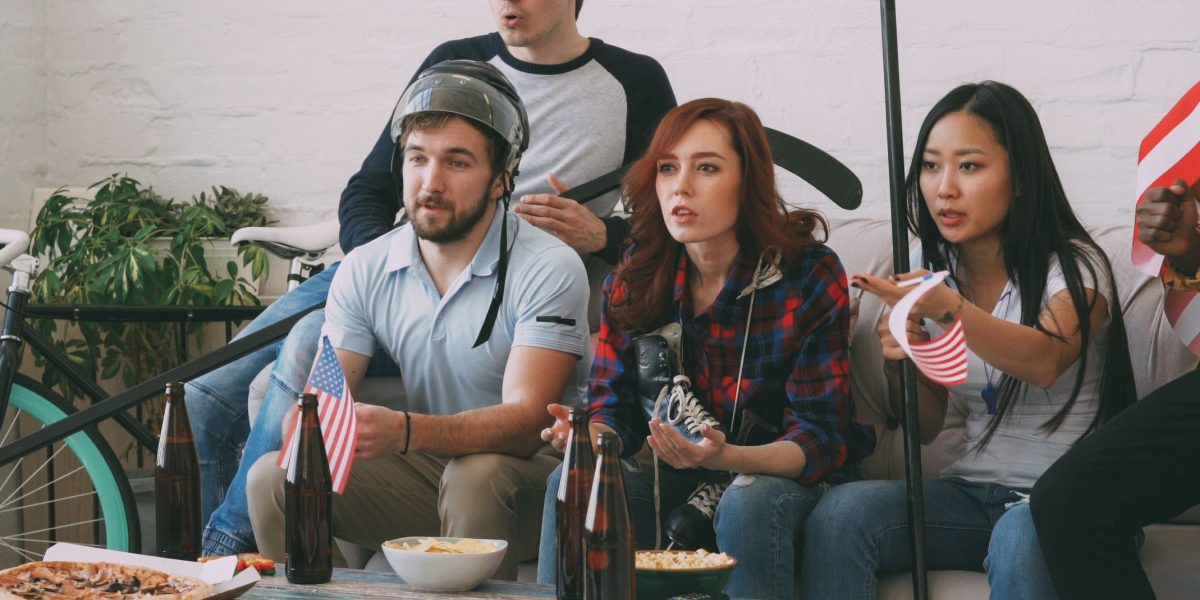
So, broadcast teams use special tricks to keep everyone glued to the screen.
- Second-Screen Features: This means giving fans ways to interact with the game on their phones or tablets while they watch on TV. Think about polls, trivia games, or even watching with friends in virtual rooms. This makes watching unc football feel more like an event you’re truly part of.
- Micro-Content: These are short, exciting video clips like amazing plays, funny moments, or behind-the-scenes peeks. These small videos are great for sharing on social media and keeping the buzz going, even when the game isn’t live. They help tell a story that lasts all season long Now is the time for college athletic departments to operate like ….
- Localized Experiences: This means making the broadcast special for fans in different places. For example, a broadcast of Iowa State football might have special features about local heroes for fans in Iowa, or interviews that appeal to fans watching from other states. Tailoring content to specific moments and audiences helps reach fans better A guide to reaching sports fans with decisioned media.
These ways of making money and keeping fans interested are very important for sports broadcasting today. They help teams like Iowa State football stay strong and connected with their fans. To see some of the cutting-edge work that helps sports organizations engage their audiences, you can Watch Our Latest Broadcast Work. For a deeper dive into making broadcasts more engaging, check out the broadcast approach that drives fsu football fan engagement.
Summary
This article explains why Iowa State football is an important opportunity for broadcasters and walks through the practical challenges and solutions for delivering those games to a global audience. It covers audience profile and viewing habits, how schedules and conference media rights shape planning, and the main production models—OB trucks, remote production, and cloud switching—used to produce live games. The piece also explains how streams reach viewers via CDNs, edge compute and low‑latency protocols, and why monitoring, redundancy and QoS matter for reliable broadcasts. Cost drivers such as production gear, transmission, rights fees and crew logistics are laid out, with vendor consolidation and managed services offered as ways to lower overhead. Rights management, compliance (accessibility and privacy), distribution choices and monetization tactics—subscriptions, ads, sponsorships and gameday activations—are discussed so rights holders and broadcasters can plan revenue strategies. After reading, producers and rights holders will better understand the tradeoffs, technical requirements, and commercial levers needed to plan, produce and monetize world‑class college football broadcasts.