





Watching live sports in 2026 is a big deal for fans everywhere. They want to see fmhy live sports events clearly and without any trouble, whether it’s a big game on TV or streaming on their phone.
But for the big sports groups and broadcasters, making this happen is tough.
Think about it:
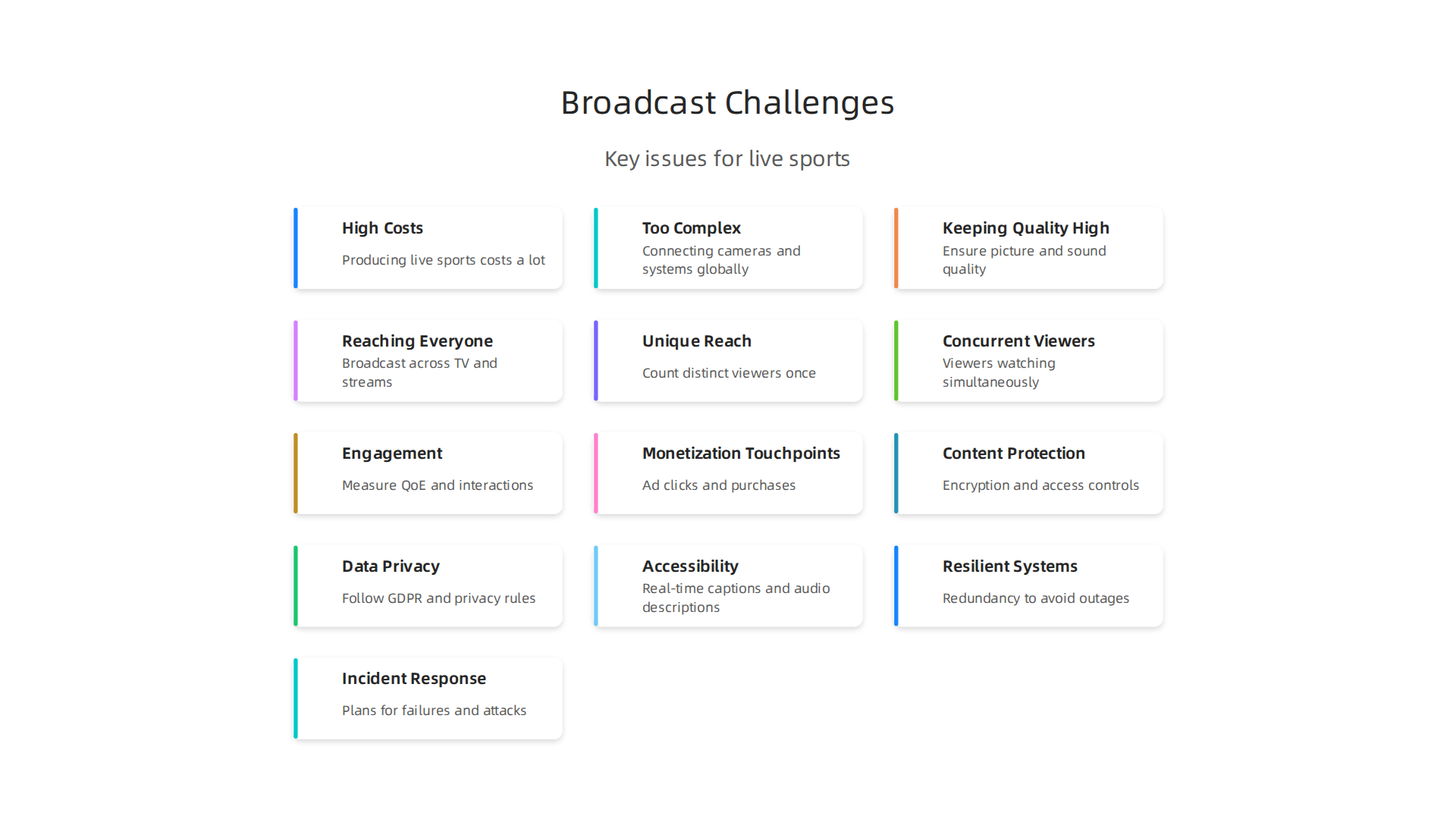
- High Costs: Producing live sports means sending lots of people and fancy equipment to different places. This costs a lot of money, from setting up cameras to getting the broadcast ready. It’s especially hard to keep costs down for every single game. Some new methods can cut costs by 40-60% per game, which is a huge saving for sports organizations Live Sports Production Just Flipped.
- Too Complex: Imagine trying to connect all the different cameras, microphones, and computers needed for a live show. Now, imagine doing that for many events at the same time, all over the world. It can be a very messy and complicated job, often needing many different companies to handle different parts.
- Keeping Quality High: Fans expect great quality, like what they see on channels that
espn activatefor big events. Making sure the picture and sound are perfect, and that there are no delays, is a huge task, especially when broadcasting across different countries and devices. - Reaching Everyone: Sports organizations want as many people as possible to watch. This means broadcasting on regular TV, but also on many streaming apps and websites. It’s a challenge to make sure everyone, everywhere, can easily access
sports youwant to watch.
This is why unified, enterprise-grade live broadcast platforms are so important now. Instead of using many different tools and companies, these platforms bring everything together into one system. They promise to make live streaming simpler and better for everyone.
These smart platforms help sports groups share their content globally. They make it easier to deliver a smooth, high-quality experience, almost like getting the best seat in the house, even if you are watching yalla shoot live from across the world. They help deliver just sports content with top-notch production quality to a massive global audience.
To understand more about how these modern approaches work, you can explore 2026 Live Sports Broadcasting Strategies for Global Reach and Quality.
Curious to see how a company like TPT Global tackles these challenges with world-class solutions? Learn More About TPT Global.
Why global sports organizations need unified broadcast platforms
Using many different companies and tools for fmhy live sports events can quickly become a big headache for global sports groups. Think about it like this: for every camera, sound system, and streaming part, you might have a different team or company. This makes costs go up because you are paying many groups, and it becomes very hard to make sure everyone is working together smoothly. It’s like trying to build a big LEGO castle with pieces from ten different sets that don’t quite fit.
This messy way of working leads to more problems. It costs a lot to send equipment and people to every event, especially if you have games happening all over the world. Luckily, new ways like remote production can cut down these costs. For example, some cloud-based production methods have saved nearly €1 million in costs for European football leagues How the European League of Football embraced cloud for live production. Also, TV 2 Denmark found great savings by using remote production for their broadcasts TV 2 Denmark uses Net Insight Remote production solution.
That’s why big sports organizations truly need one strong partner for all their broadcasting needs. A single system, or one company that handles everything from start to finish, makes things much simpler.

This helps to simplify your live sports production with a unified end-to-end solution and makes sure all the pieces work together perfectly.
When you have one reliable partner, it’s easier to deliver high-quality just sports content, whether fans are watching through espn activate or trying to catch a yalla shoot live stream from afar. This approach also helps these organizations to streamline global live sports production for major rights holders. It means all the sports you want to watch can be shown everywhere, with a smooth, clear picture and sound, making fans happy.
These unified broadcast platforms are key for making sure live sports are easy to produce, cost-effective, and always look great for viewers around the globe.
To discover comprehensive solutions that manage these complexities and ensure top-tier delivery, you can Explore Our Broadcast Services.
Getting live sports to viewers with no delays and great picture quality is super important. When you are watching fmhy live sports or trying to catch a yalla shoot live stream, you want to see the action as it happens, not a few seconds later. This means special tech is needed behind the scenes.
One key part is how the video signals travel. There are special rules, called protocols, that help send video fast. For example, WebRTC is good for very low delays, usually less than half a second. It works well for things like video calls where people talk back and forth Low-Latency Streaming Protocols: WebRTC vs LL-HLS vs CMAF …. But for many millions of viewers watching just sports, other ways are better.
For big events with lots of fans, like when you espn activate your TV for a game, Low-Latency HLS (LL-HLS) is a popular choice. It can keep delays low, around 2 to 5 seconds, and can handle huge numbers of viewers because it works well with Content Delivery Networks (CDNs) Streaming CDN Architecture for Low-Latency Delivery. CDNs are like many mini-servers spread out everywhere, making sure the video gets to you from a server that is close by. This helps prevent buffering and keeps the quality high. Another good option for sending video from the stadium to the broadcast center is SRT, which offers low delay, typically 1 to 2 seconds Low Latency Streaming: Sub-Second at Scale (2026) – Fora Soft.
To make sure the sports you want to watch always look clear, no matter your internet speed, broadcasters use something called adaptive bitrate streaming. This means the video quality changes to fit your connection. If your internet is slow, you get a slightly lower quality picture that still plays smoothly. If your internet is fast, you get the best possible picture. All these parts, from choosing the right way to send video to making sure it looks good on any screen, help deliver world-class global live broadcasts.
Want to see how these advanced techniques translate into amazing viewing experiences? You can Watch Our Latest Broadcast Work.
Keeping an eye on everything is also key. Monitoring tools help teams spot and fix problems right away. This way, fans don’t miss any of the action.
If you are a major sports league or event organizer facing these complex technical challenges, it helps to talk to experts. Chat now on WhatsApp.
Beyond just the technical work of sending great pictures, there’s a whole other side to bringing live sports to fans around the world. This involves important choices about who can show the games, where they can be seen, and how to make the broadcast feel special for people in different places.
Managing rights, distribution and localization at scale
A big challenge for showing just sports globally is managing the rights. These are the legal permissions that say who can broadcast a game in which country or region. For example, the rights to show fmhy live sports might be sold to one company in Europe and a different company in Asia. This means that if you try to watch espn activate a game in a country where another company has the rights, you might not be able to see it. This is called geo-restriction. In 2026, understanding these local sports rights is still a key part of how broadcasts are planned and sold The State of Local Sports Rights in 2026.
Once the rights are sorted, the next step is making the sports you want to watch feel local. This is called localization.

It means changing parts of the broadcast to fit the local culture and language. For example, if viewers are watching yalla shoot live in the Middle East, they’ll likely want commentators speaking Arabic, not English. This is much more than just translating words; it’s about making the entire experience feel right for the audience. Global sports groups like the ICC Official Website often set standards but need partners to customize for local fans.
To do this, broadcasters use many tricks. They offer different audio channels for multilingual commentary, so fans can pick their preferred language. They also use localized advertising, which means different commercials are shown in different regions during breaks in the game. Imagine seeing an ad for a local car dealership if you’re watching in your home country, but a global brand ad if you’re watching from further away. This helps make the broadcast more relevant to each viewer. It also helps sports organizations connect with local cultures by changing things like graphics, data on the screen, and even how the story of the game is told Sport in the Era of "Glocalization".
Working with regional platform partners is also very important. These are local TV channels or streaming services that help deliver the customized broadcast to homes in their area. This way, a major sports league can reach fans all over the world, while still making each broadcast feel special and personal to them. To learn more about tailoring content for different areas, you can explore crafting a winning regional broadcasting strategy for global sports rights holders.
Dealing with all these moving parts makes broadcasting a complex task. From securing the right to show a game to making sure it feels like a local event, it all needs careful planning and great technology.
If your organization faces these challenges in broadcasting, we can help. Request a Broadcast Consultation to discuss your needs.
To tackle these challenges and make broadcasting even smoother and more affordable, big changes are happening behind the scenes. One of the best ways to cut down on costs and make things less complicated is to use smart new ways of working and choose fewer partners. This is called workflow consolidation.
Workflow consolidation: reducing vendors and operational costs
Imagine you want to broadcast a game, maybe even a yalla shoot live event or fmhy live sports. Instead of sending many people and lots of expensive equipment to the stadium for every single game, you can do much of the work from a central office. This is called remote production. It means that raw camera feeds, sound, and even controls for the equipment travel over special internet lines to a main studio. This way, fewer people need to be at the game itself. This helps save a lot of money on travel and equipment costs Open up for remote production. Some broadcasts have seen huge savings, like nearly €1 million in production costs by using cloud systems for live events, as seen with the European League of Football How the European League of Football embraced cloud for live … – Vizrt.
Today, many helpful tools are based in the cloud. Cloud-based switching lets broadcasters mix and edit the just sports broadcast from almost anywhere, not just a control room at the event. Centralized orchestration helps manage all these different parts smoothly, making sure everything works together without a hitch. These smart technologies make it much easier and cheaper to produce the sports you want to watch, like espn activate games, for a worldwide audience.
When companies use these modern ways of working, they don’t need so many different companies or teams doing separate jobs. It helps to have one main partner who can handle many tasks at once, from planning to broadcasting. This makes things much simpler and often leads to big savings in what are called operational costs, or OPEX.
Choosing fewer, more capable partners for your broadcast needs can make a huge difference in how smoothly everything runs. This also helps reduce the headaches of working with many different vendors. If you are looking for a team that can handle every part of sports and media broadcasting, consider looking into Trans Group. They act as a single-window solution for every aspect of the game.
By focusing on new technologies like remote production and cloud tools, and by working with fewer, more integrated partners, big sports organizations can deliver world-class live broadcasts without breaking the bank. To see how these ideas can help streamline your own productions, learn more about how to Simplify Your Live Sports Production with a Unified End-to-End Solution. This means you get excellent quality and wider reach, all while being more efficient.
To see examples of high-quality production, you can Explore Our Broadcast Services and view our videos and highlights.
After making live sports broadcasts simpler and more affordable, the next big question is: how do we know if people are actually watching and enjoying them? This is where measuring reach and engagement comes in. It helps leagues and federations understand if their efforts are working across regular TV and newer digital platforms.
Measuring reach and engagement across traditional and digital platforms
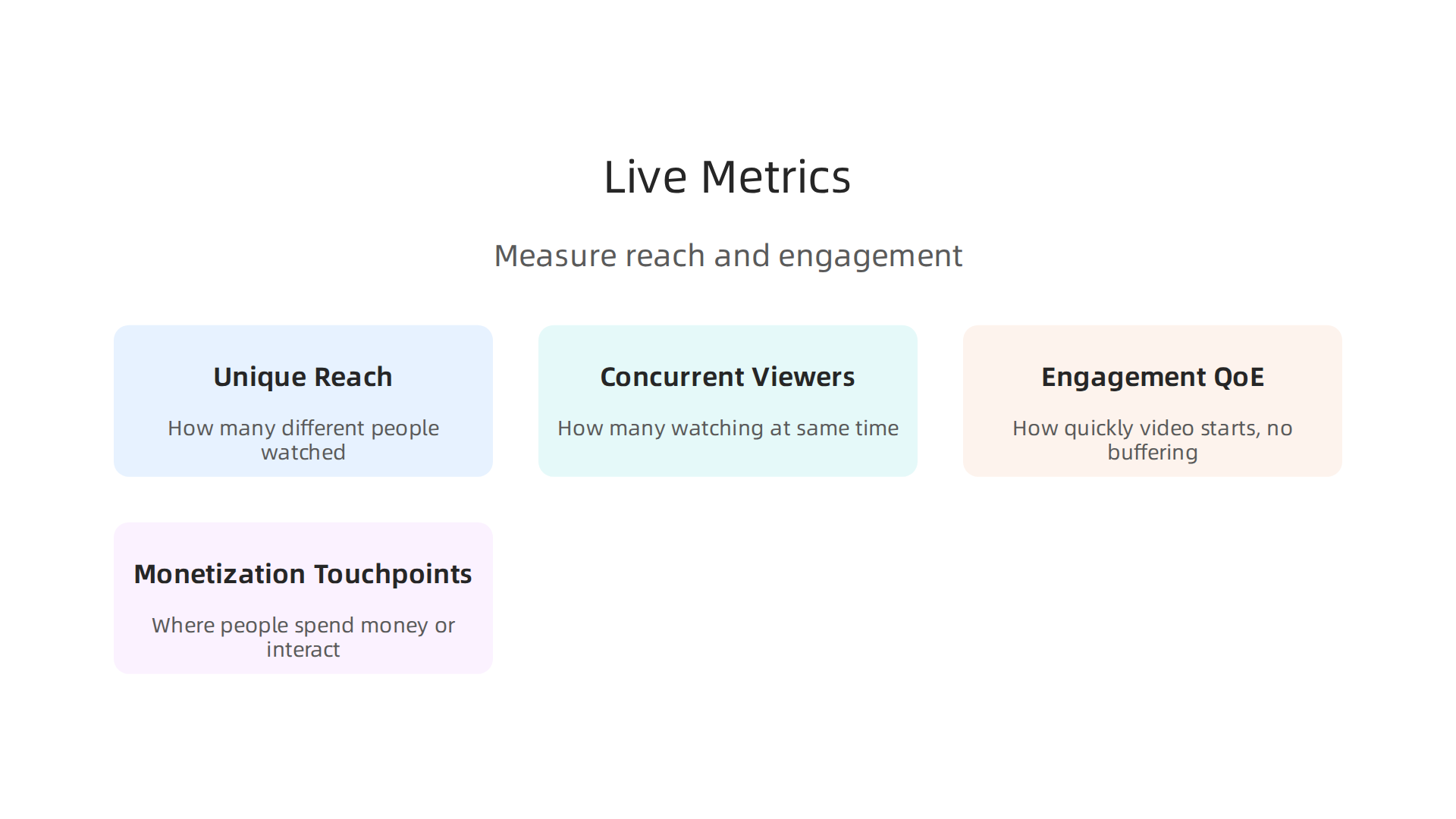
To truly know if your yalla shoot live event or fmhy live sports broadcast is a success, you need to look at a few key numbers.
- Unique Reach: This tells you how many different people watched your content, no matter if they watched for a minute or the whole game. It’s about counting each person only once.
- Concurrent Viewers: This shows how many people are watching at the exact same time. It’s a good way to see peak interest during exciting moments in the
just sportsevent. - Engagement: This is about how much people interact with your content. Are they watching for a long time? Are they sharing it? A big part of this is the "Quality of Experience" (QoE). This includes things like how quickly the video starts, if it keeps stopping to load (buffering), and if the picture is clear. If viewers have problems with these, they might leave QoE Metrics: What Every Dashboard Should Show.
- Monetization Touchpoints: This tracks where people might spend money or interact with ads. For example, clicking on an ad during an
espn activategame, or buying team gear.
For sports organizations, it’s also about making sure the sports you watch feel personal, no matter where you are in the world. This means offering different languages for commentary, local graphics, and even specific advertisements. For instance, major events like the 2026 World Cup use smart ways to deliver streaming content that feels local to viewers in different countries 2026 World Cup: A Streaming Localization Lesson. This process, sometimes called "glocalization," is important for connecting with fans worldwide Sport in the Era of "Glocalization".
To get the full story of who is watching and how they are engaging, we need to put all the data together. This means taking information from traditional TV broadcasts and combining it with digital numbers from streaming platforms. By doing this, you can see how many people watched an event on a regular TV channel and how many streamed it online, all in one place. This unified view helps create better plans for future broadcasts and ensures more fans are reached effectively. If you want to see how these ideas look in action, you can Watch Our Latest Broadcast Work to get a better idea of the quality and reach we achieve.
Understanding these details helps broadcast teams refine their approach and ensure every event connects with its audience. To learn more about improving fan engagement strategies, read our guide on how to master regional fan engagement for global sports broadcast success. If you’re wondering how to measure your own global audience and boost engagement, we can help. Request a Broadcast Consultation today to talk about your needs.
Knowing your audience is great, but what happens if your live broadcast suddenly stops or your content is stolen? For any yalla shoot live event, making sure the broadcast is safe, follows rules, and can recover from problems is just as important as how many people watch it.
Security, compliance and disaster recovery for live sports broadcasts
Broadcasting live sports in 2026 means facing many challenges beyond just putting the game on screen. You need to protect your content, follow privacy rules, and be ready for anything that might go wrong. One cyberattack could even take your whole channel off the air One cyberattack could take your channel off air. This is why security, following rules (compliance), and planning for disasters are so important for live sports broadcasts.
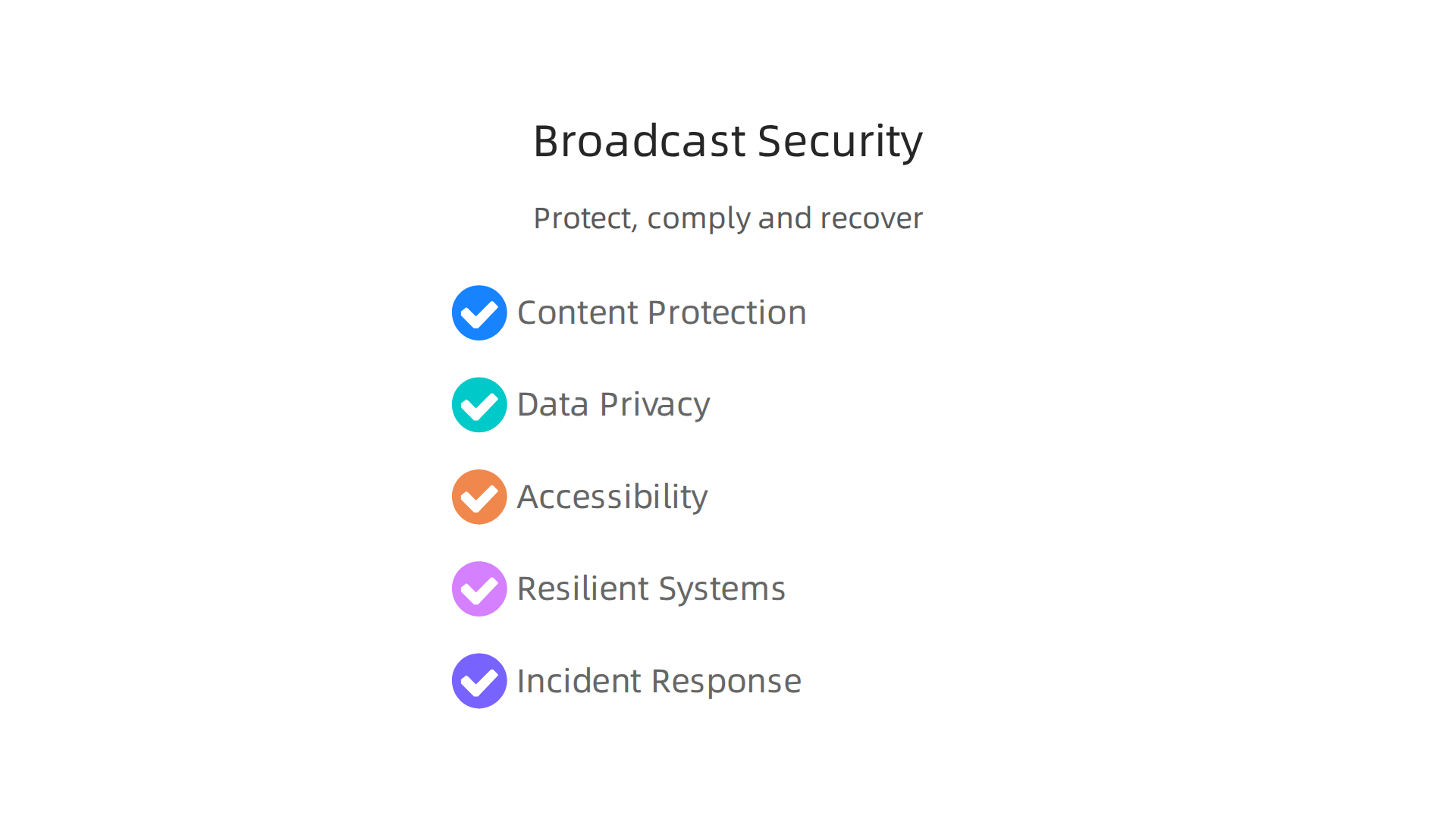
Keeping Your Content and Viewers Safe
It’s vital to protect your valuable content from being stolen or misused. This involves:
- Content Protection: Using strong security measures like encryption and strict access controls. This means only people who are supposed to see the
just sportsevent can watch it. It also means deciding who can access what parts of your broadcasting system Streaming Security: Best Practices and Overcoming Obstacles. For example, not everyone on theespn activateteam needs access to every single part of the broadcast system. - Data Privacy (GDPR): If your viewers are in certain regions, like Europe, you must follow strict rules about how you handle their personal information. This includes having clear plans for backing up data and being able to prove you are following these rules How to Make Your Disaster Recovery GDPR Compliant.
- Accessibility: Ensuring everyone can enjoy the
sports youlove. This means adding real-time captions for live streams and audio descriptions for those who are hard of hearing or visually impaired. New rules, like those under ADA Title II, mean public entities must provide these features for live video content by April 2026 ADA Title II Digital Compliance Guide for Public Entities.
Ready for Anything: Disaster Recovery
Imagine an unexpected power outage during a big fmhy live sports match. Without a plan, your broadcast could stop completely. That’s why having strong disaster recovery plans is a must.
- Resilient Systems: This means building your broadcast setup in a way that it can keep working even if one part fails. Think of it like having backup roads if the main highway is closed. Using "geo-redundant" systems means having copies of your setup in different places. So, if one location has a problem, another can take over quickly.
- Incident Response: Having a clear plan for what to do when something goes wrong. This includes knowing who does what, how to fix the problem fast, and how to tell viewers what is happening. Some streaming methods, like SRT (Secure Reliable Transport), are designed to keep video flowing smoothly even when internet connections are not perfect, which is great for sending video from cameras to the cloud Low Latency Streaming: Sub-Second at Scale (2026).
Building these safeguards into your broadcasting strategy from the start helps you deliver a reliable and high-quality experience to your global audience. It lets you focus on the game, knowing your systems are protected. Learn more about overcoming common broadcasting difficulties by reading our guide on Mastering Global Sports Broadcasting Challenges.
To make sure your live sports broadcasts are always safe and available, choosing a partner with deep knowledge in these areas is key.
Why Choose TPT Global
Choosing a good partner is very important for yalla shoot live events. A partner can help make sure your live sports broadcasts are always safe and available.

This means looking closely at what they offer and how they do things. When you are looking for a company to help with your broadcasts, you might send out a "Request for Proposal," or RFP. This is a list of what you need and want.
What to Look for in a Broadcast Partner
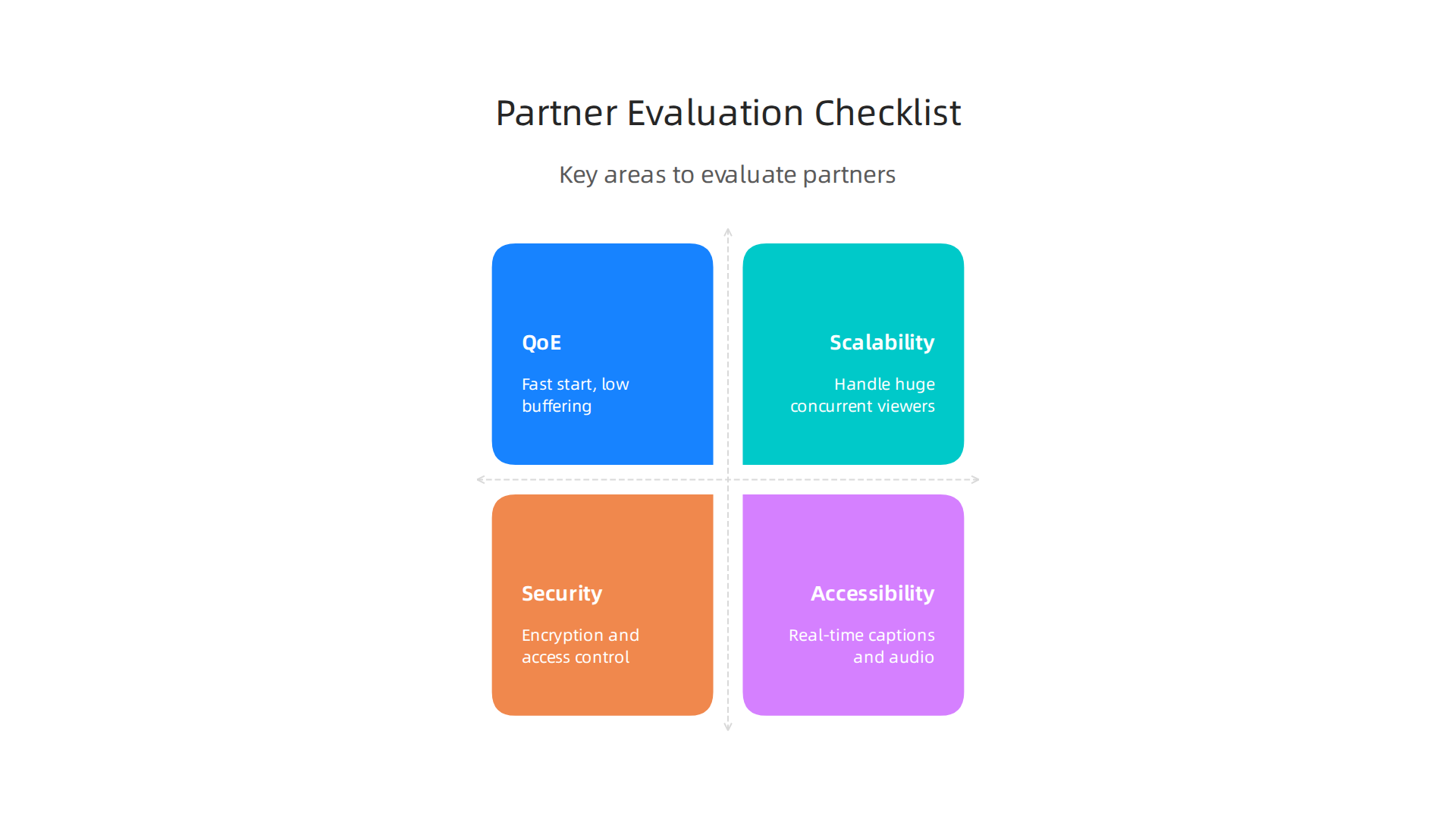
When picking a partner for your just sports broadcasts, think about these main areas:
Technical Checklist: How Good Is Their Tech?
- Quality of Experience (QoE): This is about how good the broadcast looks and feels to the viewer. You want a partner who can make sure the video starts fast, doesn’t stop to load (buffering), and looks clear. Good partners track things like "rebuffering ratio" (how much time viewers spend waiting for video to load) and "startup time" (how long it takes for the video to start playing) QoE Metrics: What Every Dashboard Should Show – Fora Soft. They should aim for very low buffering, ideally under 0.5% of viewing time, to keep viewers happy Video Analytics & QoS Monitoring Guide for Streaming – MwareTV.
- Scalability: Can they handle a huge number of viewers at once, especially for big events like a popular
fmhy live sportsmatch? The system needs to grow and shrink easily. - Security Features: They must protect your content from being stolen and keep viewer data safe. Look for things like strong encryption and strict rules on who can access the broadcast system Solutions for Enterprise & Government Live Streaming in 2026.
- Accessibility: Do they offer real-time captions and audio descriptions? This helps everyone enjoy the
sports youare broadcasting, which is very important in 2026.
Operational Checklist: How Do They Work?
- Experience: Have they worked with many types of sports before? Do they understand different global regions and how to handle an
espn activatelevel broadcast? - Team Expertise: Do they have experienced people who know what they are doing, from camera crews to technical support?
- Support and Response: What happens if something goes wrong during a live broadcast? How quickly can they fix it? Look for clear plans for quick help.
Commercial Checklist: What Are the Terms?
- Clear Pricing: Understand all costs upfront. No hidden fees.
- Service Level Agreements (SLAs): These are promises about how well the service will perform, like uptime guarantees and response times for issues.
- Flexibility: Can they change their services to fit your needs as your broadcast plans grow?
Evaluating What a Partner Can Do
It’s not enough for a partner to just say they can do something. You need to see proof.
- Test Events: Ask for a trial or a demo. This lets you see their system in action before you commit.
- Performance Reports: Ask for reports on how well they performed for other clients. This includes their QoE metrics like startup time and rebuffering.
- Commercial Terms: Look at their contracts carefully. Do they match your business goals?
Choosing the right partner means asking the right questions and seeing real results. It helps ensure your live sports broadcasts are top-notch and reach fans everywhere. If you want to dive deeper into how to select the best channels and platforms, consider reading our guide on Choosing Live TV Channels and Streaming Platforms for Global Sports Broadcasting.
Ready to discuss your specific broadcasting needs and find a partner that fits perfectly? Request a Broadcast Consultation today.
Summary
This article explains how global sports organizations can deliver high-quality, low-latency live sports in 2026 by moving from fragmented vendor stacks to unified, enterprise-grade broadcast platforms. It outlines the major challenges—high production costs, operational complexity, maintaining broadcast quality, and reaching diverse international audiences—and shows how remote production, cloud tools, CDN architectures and appropriate streaming protocols (e.g., WebRTC, LL‑HLS, SRT) solve them. The piece also covers rights management and localization at scale, workflow consolidation to cut OPEX, and the metrics teams must track to measure reach and engagement. Security, GDPR compliance, accessibility and disaster recovery are highlighted as essential safeguards. Finally, it gives practical guidance on what to look for in a broadcast partner—technical, operational and commercial checklists—and emphasizes testing and SLAs to validate performance before committing.