





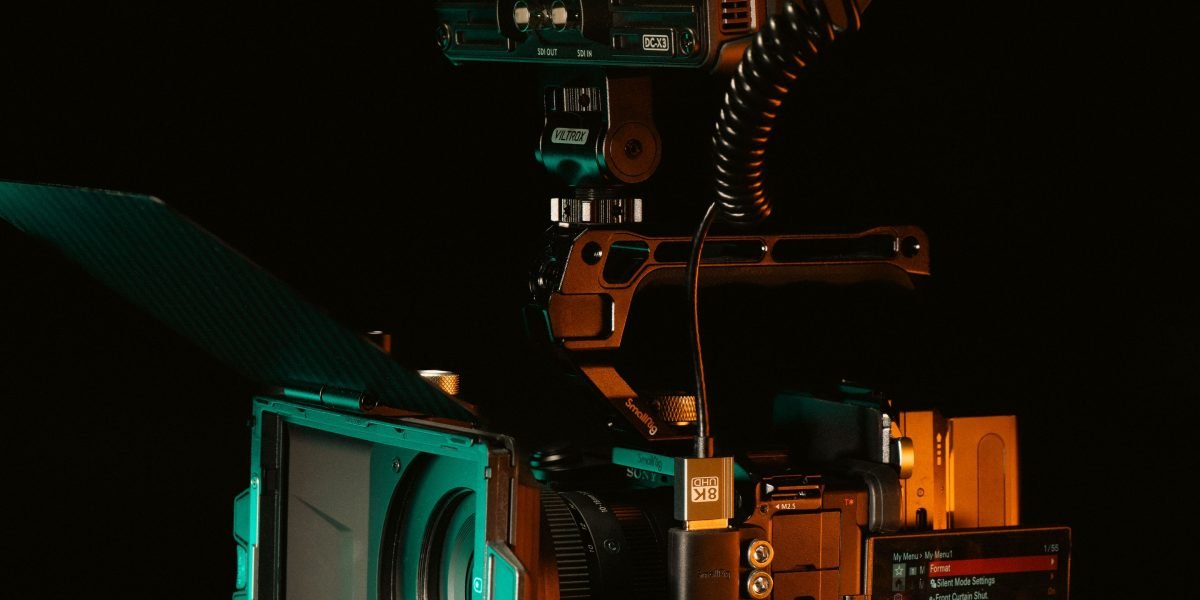
Have you ever watched a big game and felt like you were inside a movie? That is not an accident. Live sports broadcasting has changed a lot in recent years. Production teams now borrow tricks from Hollywood to make every match feel bigger, faster, and more emotional.

This shift is turning stadium events into epic mini-movies.
Here is the thing: fans expect more than just seeing the action. They want a story. They want close-ups that capture a player’s focus, slow-motion replays that highlight a perfect kick, and lighting that makes the whole arena glow. This is where film and cinematography come into play. By using camera angles, color grading, and pacing that you would usually see in a drama, broadcasters pull you deeper into the experience.
Top leagues and federations around the world now treat broadcast quality as a core part of the fan experience. They know that a well-shot game keeps viewers glued to the screen and builds loyalty over time. Understanding the principles of film and cinematography helps production teams deliver coverage that feels both polished and personal.
As one expert article on the crossover between Hollywood and sports points out, cinematic techniques are turning live games into something special. For example, the way artist live in studios can shape how replays feel, and smart use of producer tags helps editors find the best moments fast.
If you are curious about how this works behind the scenes, check out how production teams adopt these methods through advanced video editing workflows. And when it comes to global standards, organizations like the ICC set the bar for how international cricket events use these same cinematic tools.

The best part? You do not need a Hollywood budget to bring this approach to your own broadcasts. Want to see how a professional team handles it? You can explore our broadcast services to watch examples of high-quality production in action. Or if you are ready to talk about your next event, you can request a broadcast consultation to get started.
Camera Composition and Framing Techniques for Live Sports
Have you ever noticed how some broadcasts make athletes look larger than life? That feeling comes from how the camera frames the action. Think about it. A wide shot of a soccer field shows you the whole play. But a tight shot of a striker’s face right before a penalty kick tells a different story. It builds tension. It draws you in.
The basics of composition matter more than you might think. The rule of thirds splits the frame into nine equal boxes.
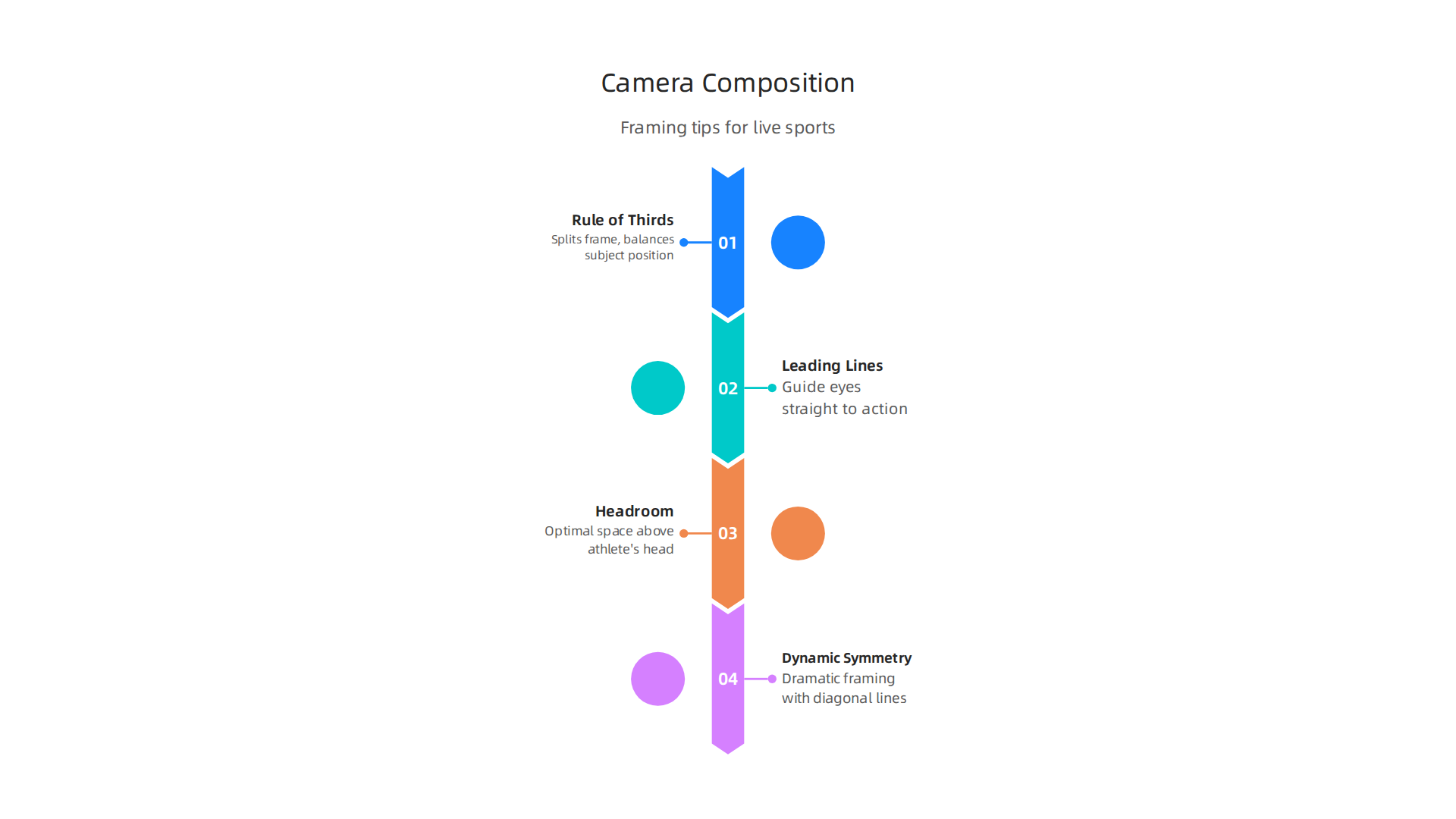
Place your subject along those lines instead of dead center. This creates visual balance and keeps the shot feeling natural. For example, a basketball player driving toward the hoop looks better when positioned on one side of the frame, with space ahead of them.
Leading lines are another powerful tool. Follow the court lines in a tennis match or the lanes on a track. These lines guide your eyes straight to the action. They make the shot feel intentional and polished.
Headroom also plays a big role. Leave too much space above an athlete’s head and they look small. Leave too little and the shot feels cramped. The sweet spot keeps the subject’s eyes roughly a third of the way down from the top of the frame.
Dynamic symmetry and the golden ratio take things a step further. These are the same principles used in classic paintings and Hollywood films. When you frame a quarterback throwing a pass or a gymnast landing a routine along these diagonal lines, the shot feels more dramatic. It is not random. It follows a proven visual rhythm.
"The demand for a cinematic aesthetic, often referred to as the film look, is growing in live production," according to a white paper on broadcast aesthetics. This is especially true for select camera angles where emotion matters most.
Multi-camera setups require careful coordination. Imagine having eight or twelve cameras covering a single match. Each operator needs to maintain consistent framing across changing scenes. One camera might stay wide for the overall field view. Another follows the ball carrier with a tighter shot. A third captures crowd reactions. Without clear communication, the broadcast feels disjointed.
Here is where modern tools help.
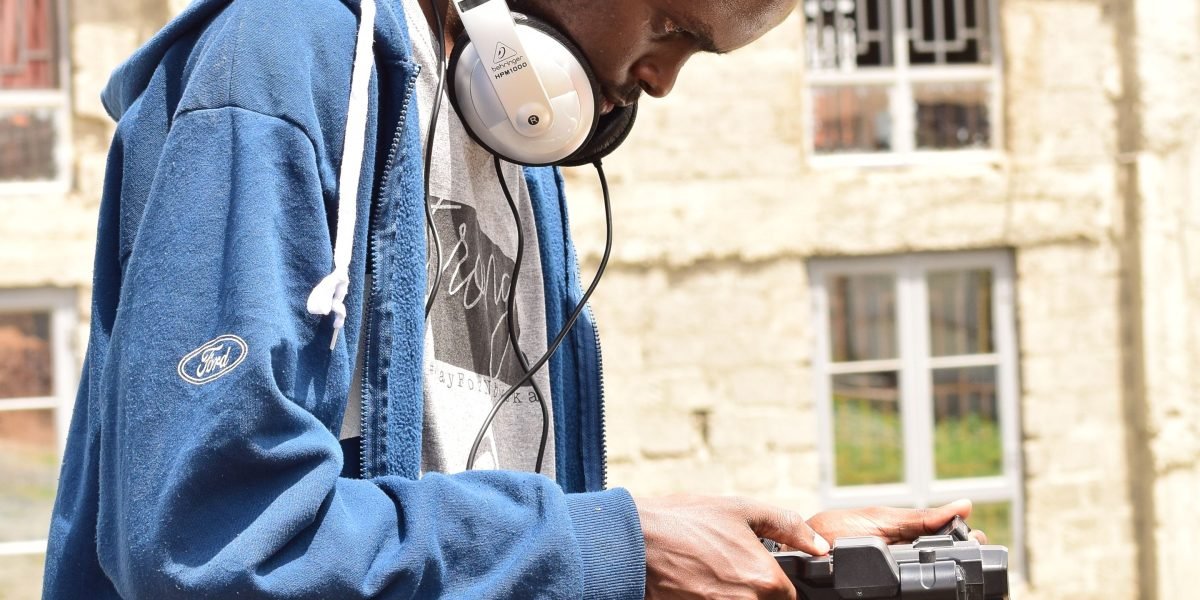
Replay systems now ingest feeds from many cameras at once. Operators mark key moments using producer tags so editors can find them fast. This saves time and keeps the storytelling smooth.
If you want to see how professional teams handle these techniques in real time, you can explore our broadcast services to watch examples of high-quality production in action. Or, for a direct look at finished work, watch our latest broadcast work to see composition principles applied across different sports.
Lighting for Emotion and Visibility in Sports Venues
Camera framing sets the stage, but lighting is what makes the scene come alive. Think about how a sunset game looks on TV. The golden light hits the field, and players cast long shadows. That beauty comes from natural light that changes every minute. Broadcast crews must plan for those shifts.
Outdoor venues throw a big challenge your way. The sun moves across the sky during a game. Shadows grow longer. Light levels drop. You cannot control the sun, but you can adjust your camera settings and choose which angles to use. For example, a shaded sideline might need a fill light to keep players’ faces visible. Without planning, half the frame could be too dark.
Indoor venues bring a different problem. You want even, shadow-free illumination across the whole court or field. No hotspots. No dark corners. Stadium lights need to be placed carefully to avoid harsh shadows under players’ eyes or behind them. The goal is to make every athlete look clear and sharp. Good indoor lighting follows standards that keep glare away from both cameras and spectators. Following proper guidelines helps you get that professional look every time.
Here is where techniques from film and cinematography step in. Three-point lighting is a classic setup used in Hollywood.

It uses a key light, a fill light, and a backlight. For live sports, you can adapt this idea. Your key light is the main overhead arena lighting. Your fill light comes from secondary fixtures that soften shadows. Your backlight helps separate players from the background. This combination makes athletes pop on screen and reduces harsh shadows that distract viewers.
Color temperature is another big piece of the puzzle. Every camera in your setup must see the same white balance. If one camera reads warm and another reads cool, the broadcast looks sloppy. Consistent color temperature across all cameras is critical for uniform broadcast quality. Modern LED systems make this easier because they produce stable, adjustable light. You can match them all to the same Kelvin value.
Bringing a cinematic feel to live sports is not just about fancy cameras. It is about how you light the scene. As one industry article explains, sports networks are adopting film techniques like dynamic color grading to heighten emotional impact. When the lighting is right, a routine play can feel like a movie moment.
If you want to see how professional teams handle lighting across different venues, consider using a unified production workflow that keeps every feed looking the same. For a deeper look at how seamless production works from start to finish, check out this overview of a simplified live sports production solution. It shows how lighting, cameras, and replay systems come together without hiccups.
Camera Movement Techniques: From Steadicam to Drone Shots
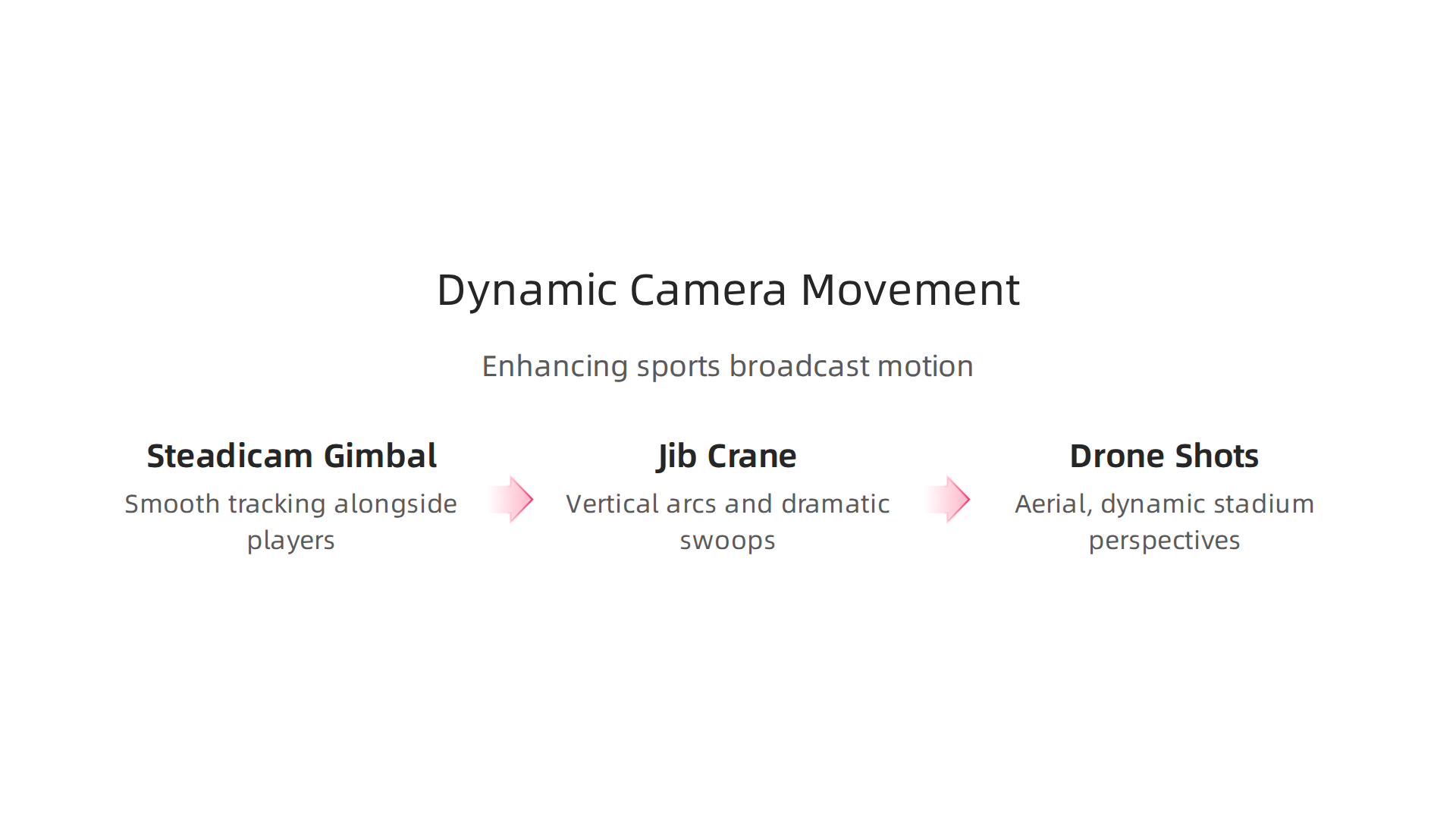
Lighting gives you the right look, but camera movement brings the action to your viewers in a way that feels alive. In film and cinematography, how you move the camera often matters more than where you place it. The same goes for live sports. A well-timed pan or a slow rise can turn a routine play into a highlight moment. Let’s look at three movement techniques that can upgrade your broadcast.
Steadicam and Gimbal Stabilizers for Smooth Tracking
Athletes move fast. Your camera needs to keep up without shaking. That is where Steadicam rigs and gimbal stabilizers come in. These tools let operators walk or run alongside players while the camera stays smooth. No bouncy frames. No jittery close-ups. In film and cinematography, these rigs are used for long walking shots. In sports, they work great for sideline tracking or following a player down the field.
You can get a similar effect with a handheld gimbal if you do not have a full Steadicam. The goal is the same: keep the subject sharp and the background steady. When you nail this, viewers feel like they are right there on the field. As one guide on setting up for different sports points out, you need wide, sweeping shots that capture the flow of the game along with occasional zoom-ins for key moments. A stabilizer makes those sweeping shots possible.
Jib and Crane Shots for Dramatic Vertical Movement
Sometimes you want the camera to rise up or drop down in a slow, graceful arc. That is what jib arms and camera cranes do. These devices let you get high above the action, then swoop back down to ground level. It adds a movie-like feeling to your broadcast.
Jib shots work best for opening sequences, halftime shows, or big moments like a game-winning goal. The slow vertical movement builds emotion. Viewers sense something important is happening. It is a simple trick from film and cinematography that makes your production look polished. Even a small jib can give you that dramatic angle.
Drone Cinematography for Aerial Views
Drones have changed sports broadcasting in a big way. A small quadcopter can fly over the stadium and give you angles that used to require a helicopter. Drone shots show the full field layout, the crowd energy, and the scale of the event.
In 2026, drones are a standard tool for live sports. They are quieter, safer, and cheaper than helicopters. A good drone operator can fly patterns that match the action, like following a wide receiver down the sideline from above. This gives fans a fresh perspective they do not get from fixed cameras. For broadcasters, drones add production value without a huge budget.
All these camera movement techniques come straight from film and cinematography. They require practice and coordination with your director and producer tags. But once you get them down, your livestream will look professional and exciting.
If you want to see these camera techniques applied in real game situations, check out our portfolio and Watch Our Latest Broadcast Work. For a full look at how our team handles end-to-end production, Learn More About TPT Global to see how we bring film-style thinking to every live event.
Depth of Field, Focus Pulling, and Slow Motion as Narrative Tools
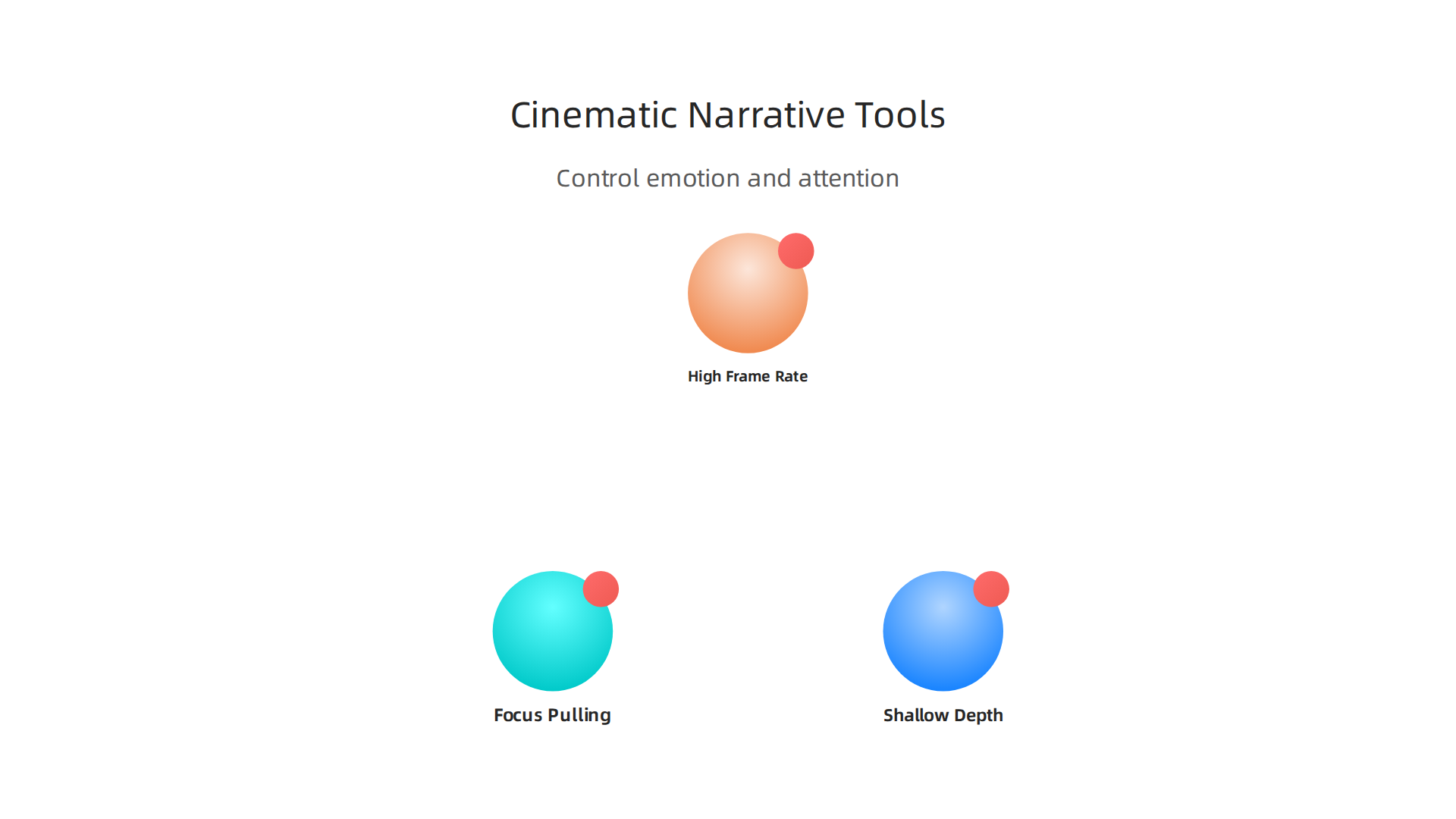
In film and cinematography, you do not just point the camera and record. You use visual tools to shape what the audience sees and feels. The same goes for live sports. Three of the strongest narrative tools are depth of field, focus pulling, and slow motion. Each one helps you control emotion and attention without saying a word.
Shallow Depth of Field Isolates the Athlete
Depth of field is the amount of your frame that stays in focus. A shallow depth of field keeps only your subject sharp. Everything else turns soft and blurry. In film and cinematography, directors use this to focus on a character’s face. In sports, you use it to separate a player from the crowd, the field, or the defenders.
Picture a basketball player at the free-throw line. With a shallow depth of field, the cheering crowd behind her disappears into a blur. The viewer sees only her face and the ball. That is a direct storytelling choice. It says, "This moment belongs to her." Professional broadcasters know that mixing wide shots with tighter shots changes how fans experience the game, as shown in this guide to camera angles for every sport. The same principle works here. Artists live in studios use shallow depth of field during intimate performances to pull the audience in. Your sports broadcast can do the same.
Focus Pulling Directs the Viewer’s Eye
Focus pulling shifts the focus from one subject to another during a single shot. A dedicated camera operator, often called the focus puller, turns the lens ring smoothly. In live sports this is tricky because athletes move fast. But when it works, it guides the viewer’s eye exactly where you want it.
Think of a soccer player lining up for a corner kick. You start with the defenders in the box soft, then pull focus to the kicker as he approaches the ball. The audience follows the change without thinking. This technique comes straight from film and cinematography. It adds polish to any broadcast. It also requires clear communication with your producer tags so everyone knows when the shift happens.
High-Frame-Rate Slow Motion Captures Critical Moments
Slow motion is everywhere in sports. But not all slow-mo is equal. To get smooth, sharp slow motion, you need a high frame rate. Standard video runs at 24 or 30 frames per second. For slow motion, you need at least 60 fps. Pro setups often use 120 or even 240 fps.
High-speed cameras let broadcasters capture fast action with very little motion blur. That means every detail stays crisp, whether it is a bat connecting with a ball or a wide receiver stretching for the end zone. In film and cinematography, slow motion builds emotion. In sports, it does the same thing. Replay a game-winning moment in slow motion, and the crowd’s roar lasts longer. The moment becomes a memory. These are narrative tools that turn a live event into a story.
All these techniques take practice and the right team. When your crew understands depth of field, focus pulling, and slow motion, your broadcast feels cinematic.
For a deeper look at how professional broadcasters edit these slow-motion clips into their productions, check out our advanced video editing techniques for live sports production.
To see how we apply film and cinematography thinking to every live event, Why Choose TPT Global. Ready to level up your next broadcast? Get in touch and let us show you what is possible.
Color Grading and Audio Design for an Immersive Sports Experience
Great visuals get your attention. But color and sound are what keep people glued to the screen. In film and cinematography, every scene has a color palette that tells you how to feel. The same idea works for live sports. When you control the colors and the audio, you create an experience that feels bigger than the game itself.
Color Grading Sets the Mood
Color grading is the process of adjusting the colors in your video to create a certain look. In live sports, you might use warm tones for a sunny afternoon game. Warm colors feel energetic and happy. Night games often use cooler blues and blacks to create a dramatic, intense mood. This is not just about looking pretty. It is about telling a story. For example, the Super Bowl halftime show in 2025 used a cool white balance that gave the performance a distinct cinematic feel, as seen in this discussion on Super Bowl color grading. Consistent color also keeps your brand looking professional. If your broadcast uses the same color style every week, viewers start to recognize your look.
New technology makes this easier than ever. High dynamic range (HDR) and wide color gamut workflows let sports broadcasts match the quality you see in movie theaters. At the 2026 NAB Show, RED Digital Cinema showed off a new Cine-Broadcast Module designed to bring that film look directly into live production.
The system integrates a broadcast color pipeline that treats every frame with the same care a feature film gets.
Audio Design Brings the Stadium Into Your Living Room
Color handles the eyes. Audio handles the ears. And in many ways, sound matters more. If the audio is flat or muddy, the whole broadcast feels cheap. Good audio design starts with crowd ambience. The roar of the crowd, the buzz between plays, the quiet tension before a big kick – these sounds make the viewer feel like they are in the stands.
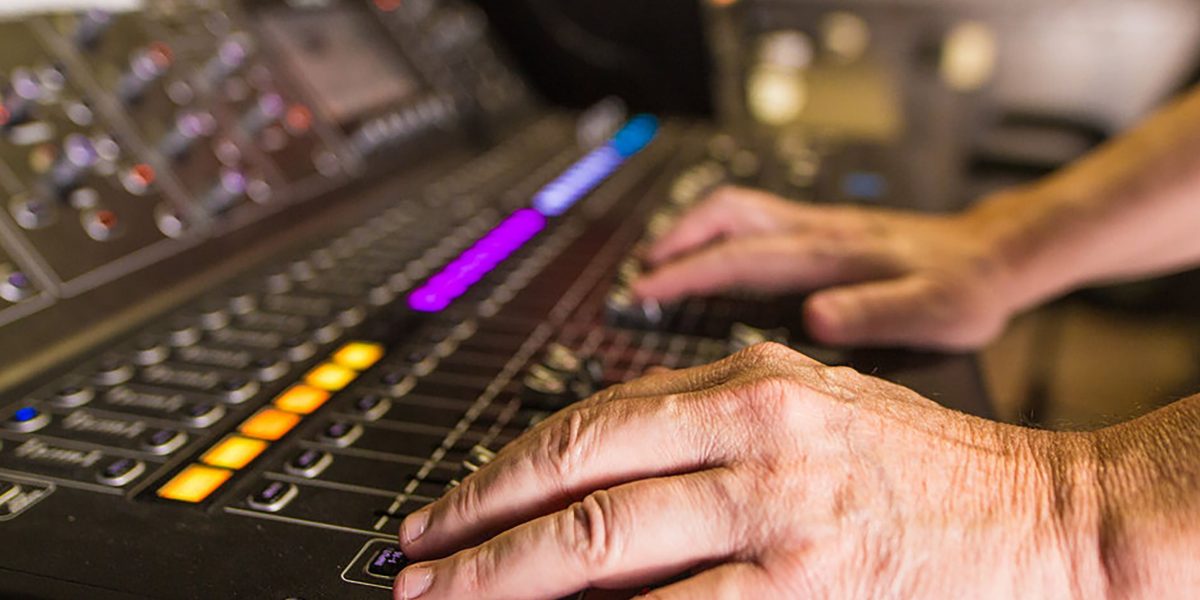
Impact sounds are just as important. The crack of a bat, the thud of a tackle, the swish of a net. These moments land harder when the audio is crisp. Professional sound mixers place microphones around the field to capture every hit and cheer. Then they mix those sounds together with clean commentator audio. The goal is to make the viewer forget they are watching from home.
HDR and Wide Color Gamut Raise the Bar
We mentioned HDR already, but it is worth repeating. Standard video shows a limited range of colors. HDR expands that range. Deep reds, bright whites, rich greens – everything pops more. Wide color gamut takes it further by covering more of the color spectrum. When you combine both, your broadcast looks like it was shot for IMAX. This is the level of quality that top production companies like NFL Films aim for every week.
Their color grading team works on each game to make sure the final product has a consistent, cinematic finish.
All of these tools work best when your whole team understands them. Color grading and audio mixing require clear communication. That is where producer tags come in. Your director and audio engineer need to know when to shift from a wide shot with ambient sound to a tight close-up with isolated player noise. Good tagging makes those transitions smooth.
If you are ready to bring this level of polish to your next event, check out how we help teams like Florida State football create that immersive fan experience. And if you want to see the full range of what we offer, explore our broadcast services to learn about our end-to-end production solutions.
When color and audio work together, your broadcast stops being just a game. It becomes an event people remember.
The Future of Cinematography in Live Sports: Drones, VR, and AI
Color grading and audio design already give your broadcast a cinematic feel. But the tools that capture those images are changing fast. The next wave of technology is making it possible to shoot live sports like a major motion picture. Drones, virtual reality, and artificial intelligence are the biggest drivers of that change.
Autonomous Drones for Dynamic Aerial Shots
Drones have been around sports for a while, but they are smarter now. Autonomous drone systems can fly pre-programmed paths during a game and capture sweeping aerial shots that used to require a helicopter. They weave through stadiums, follow players down the field, and even pull off smooth replays from angles no human operator could reach. In 2026, these systems are becoming standard in top-tier broadcasts. The latest drone technology for sports provides clear aerial views that help both fans and coaches see the full picture of the play.
Drones also bring a fresh perspective to highlight reels. A slow-motion drone shot of a touchdown catch from above feels like something out of a movie. That is the power of film and cinematography blending with live sports.
Virtual Reality and 360-Degree Immersion
You have heard about VR for gaming. But live sports is where it gets really exciting. With a VR headset, a fan can sit in the best seat in the stadium without ever leaving home.
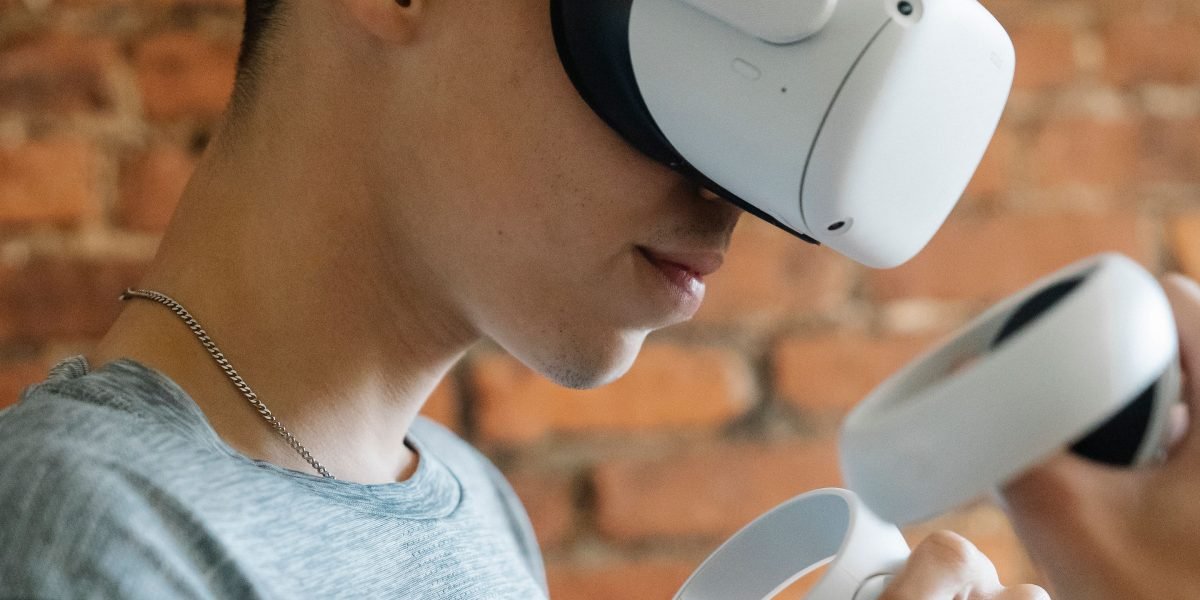
360-degree cameras placed around the field let viewers look anywhere they want. Want to watch the quarterback from behind? Turn your head. Want to see the crowd reaction? Look up. This kind of immersive experience is changing how fans connect with the game.
Teams and broadcasters are investing heavily in these systems. The goal is to make every viewer feel like they are there live. For example, during the 2026 season, several major leagues tested VR broadcasts that let fans switch between camera angles with a simple glance. That kind of control puts the viewer in the director’s chair.
AI-Driven Camera Control and Automated Editing
Now here is the real game changer. Artificial intelligence is taking over tasks that used to require a full crew. AI-driven cameras can follow the action automatically. They track the ball, zoom in on key players, and switch shots based on what is happening in real time. No human operator needed. This cuts production costs and keeps the broadcast looking professional.
AI is also helping with post-game editing. It can scan through hours of footage and pull out the best highlights in seconds. For content creators, that means less time searching and more time polishing. Some systems even use AI to apply consistent color grading across every clip, saving colorists hours of work.
These tools are not replacing the artist. They are giving the artist more freedom. When a camera tracks itself and an AI picks the best angles, the director can focus on the creative side. That is the future of live sports production.
If you are ready to bring this level of technology to your next broadcast, take a look at how we can help. Our team at Trans Group offers a full-stack approach to sports and media production, handling everything from planning to delivery.

And if you want to learn more about our capabilities, you can explore more about TPT Global to see how we support global sports federations and leagues.
The next time you watch a game, pay attention to the camera work. Chances are, a drone, a VR rig, or an AI system made that shot possible.
Summary
This article explains how live sports broadcasts borrow film and cinematography techniques to turn ordinary games into cinematic experiences that feel emotional and immersive. It covers practical production elements—composition, framing, lighting, camera movement, depth of field, slow motion, color grading, and audio design—and shows how each choice shapes what viewers feel and focus on. The piece also explains modern tools and workflows, including multi-camera coordination, producer tags, replay systems, and high-frame-rate capture, so production teams can work faster and tell clearer stories. It highlights advances such as drones, VR, and AI that extend creative possibilities and reduce crew burden, while stressing that you don’t need a Hollywood budget to raise production value. Readers will learn concrete techniques (rule of thirds, three-point lighting, stabilizers, focus pulling, HDR workflows) and understand how to apply them in both outdoor and indoor venues. The article points to real-world examples and internal services for seeing these methods in action and for getting help planning a broadcast. After reading, producers and content creators will be better equipped to plan, light, shoot, and finish live sports coverage with a cinematic mindset.