



Why collegiate broadcasting matters now a Georgia Tech football lens
Broadcasting college games has become a big deal. It’s not just about showing the game anymore. In 2026, fans expect to see every play perfectly, no matter where they are in the world.

This is especially true for popular teams like Georgia Tech football. These big college programs face many challenges when they try to share their games with fans both near and far.
One of the main problems is how complicated media rights can be. Who owns the right to show the game? Who can broadcast it? It’s like a puzzle with many pieces. Plus, stadiums themselves can be tricky. They might not have the best equipment for global broadcasts, and that makes it harder to get the game out to everyone who wants to watch. Fans also expect a lot. They want clear pictures, good sound, and almost no delay between the live action and what they see on their screen. Many people even use apps for betting while watching, and if the stream is too slow, it ruins the fun. For example, some experts say that for live sports, streams need to be super fast, with delays often less than one second, so fans don’t get spoilers from social media or betting apps don’t mess up. Getting to very low latency, like under 800 milliseconds, is now a key part of live sports broadcasting, allowing real-time betting and reactions to sync up perfectly for viewers around the world How Sub-800ms Latency Transforms Live Betting & Fan ….
Georgia Tech football shows us what many college sports programs go through. They need to figure out these tricky rights, deal with what their home stadium offers, keep their loyal fans happy, and still meet the high technical demands of modern livetv sports. This is also true for other big college teams, like those playing Utah football.
This article will help you understand all these parts better. We’ll look at practical ways to handle media rights, how to make the best broadcasts, what kind of equipment you need, how to keep costs down, and how to get ready for the future of broadcasting. We can help you deliver your best to fans everywhere. Learn More About TPT Global to see how we tackle these challenges for major sports events.
Media rights, distribution and audience reach for Georgia Tech football
Moving from the overall challenges, let’s talk about the specific parts that make broadcasting Georgia Tech football games tricky. The first big step is understanding "media rights." These are like special rules that say who can show the game, where they can show it, and when. It’s a complex system with different parts, whether the game is shown locally, across the whole country, or even around the world.
Most college sports conferences, like the ACC where Georgia Tech plays, gather the broadcast rights from their member schools. They then sell these rights together to big TV networks or streaming services. This way, the conference acts as one seller, which can make things simpler but also limits individual schools. Experts have studied how college football conferences bundle broadcast rights.
In 2026, we’re seeing more and more games move beyond traditional TV. About 20% to 30% of college games are now shown only on streaming platforms College Sports Media Rights Deep Dive. This means fans can watch on their phones, tablets, or smart TVs.
How games get to fans
Once the media rights are sorted, the next step is getting the game to all the eager fans. There are a few main ways to do this:

- Linear Broadcast: This is the traditional way, through regular TV channels like ESPN or ABC. It’s still very important for big games.
- OTT Platforms: "Over-the-top" platforms are streaming services. Think of apps like YouTube TV, Hulu Live, or specific sports apps. These give fans more flexibility to watch when and where they want.
- Conference Networks: Many conferences have their own networks, such as the ACC Network. These networks show more games that might not make it onto major national channels.
- International Syndication: For fans of Georgia Tech football living outside the United States, games can be sold to broadcasters in other countries. This is how the global reach happens.
The way money is shared from these deals is also changing. Conferences are looking at new models to split media revenue among their schools, especially after big settlements have made many schools rethink their future After the House v. NCAA Settlement: Expiring media rights deals set to …. If you want to dive deeper into how sports leagues can grow their viewership, check out how to maximize sports leagues and team broadcast coverage for global reach and revenue.
Reaching every fan
Who watches Georgia Tech football? It’s a mix of different people:
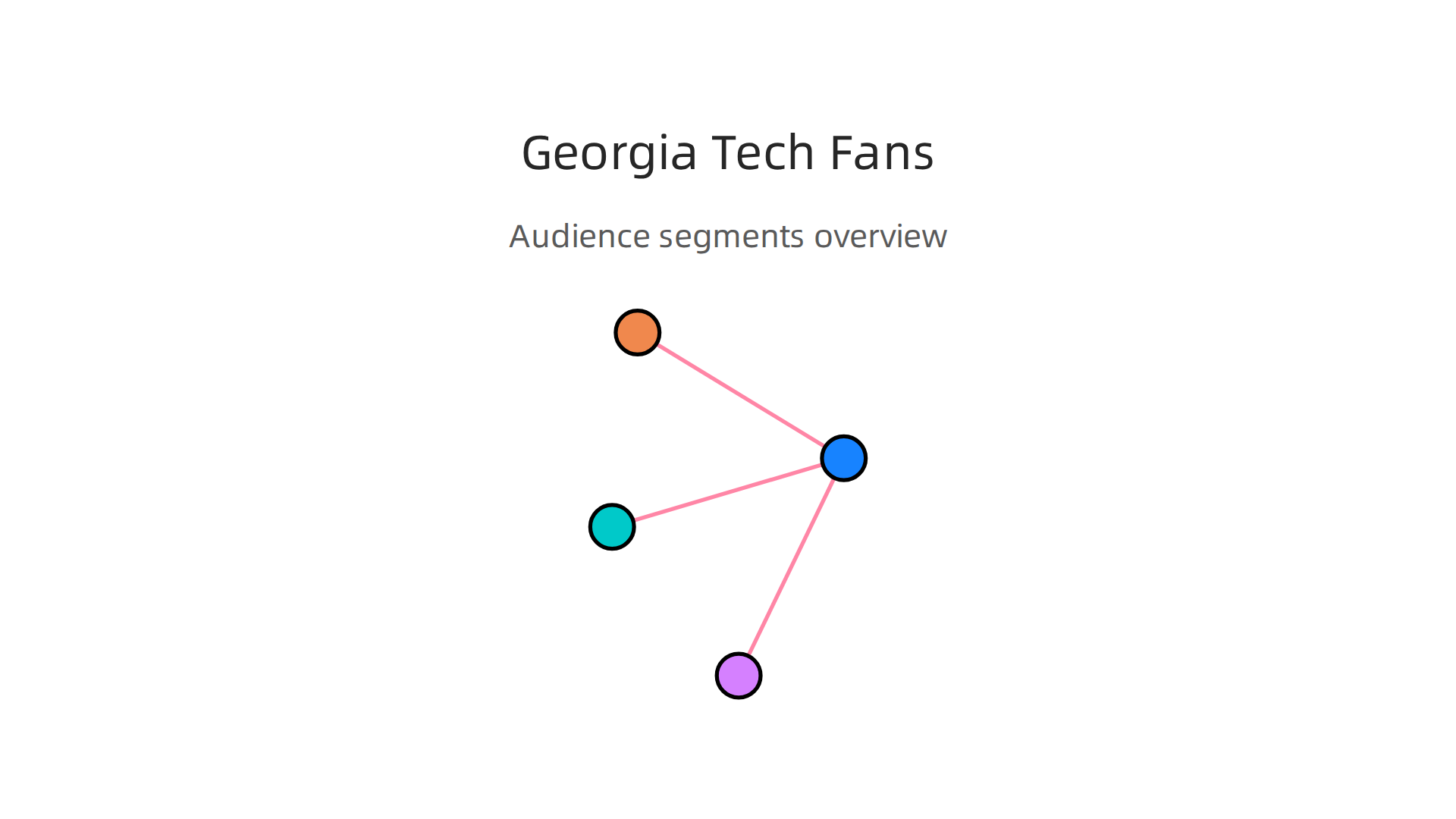
- Current Students: They often watch games on campus or through streaming services that come with their student plans.
- Alumni: Former students who live all over the country and the world. They rely on national broadcasts and streaming.
- Local Fans: People who live near the campus and might want to watch games for free, especially since the "Protect College Sports Act" in 2026 mandates that games be broadcast free in local markets.
- International Fans: People far away who follow the team through global streaming services or specific international deals.
To keep all these fans happy, it’s key to pick the right platforms. This means understanding where each group watches games and what they expect. It’s about tailoring the experience for everyone. A good strategy also involves learning to master regional fan engagement for global sports broadcast success.
Managing all these media rights, figuring out the best ways to distribute games, and making sure every fan can watch their favorite team like Georgia Tech football, can be a huge task.

TPT Global helps sports organizations handle these complex parts, ensuring top-quality livetv sports broadcasts reach a wide audience.
To discuss how to improve your reach and manage these challenges for your sports broadcasts, you can Request a Broadcast Consultation.
Managing all these media rights, figuring out the best ways to distribute games, and making sure every fan can watch their favorite team like Georgia Tech football, can be a huge task. TPT Global helps sports organizations handle these complex parts, ensuring top-quality livetv sports broadcasts reach a wide audience. Now, let’s look at how these games are actually made ready for viewing, from the field to your screen.
Production workflows: centralizing vendors and controlling costs
Making a live sports broadcast, whether it’s for Georgia Tech football or another big event, needs a lot of careful work. This work is called "production workflow." It’s all about how cameras, sound, graphics, and replays come together to make the show you watch. In 2026, there are a few main ways organizations set up this important job.
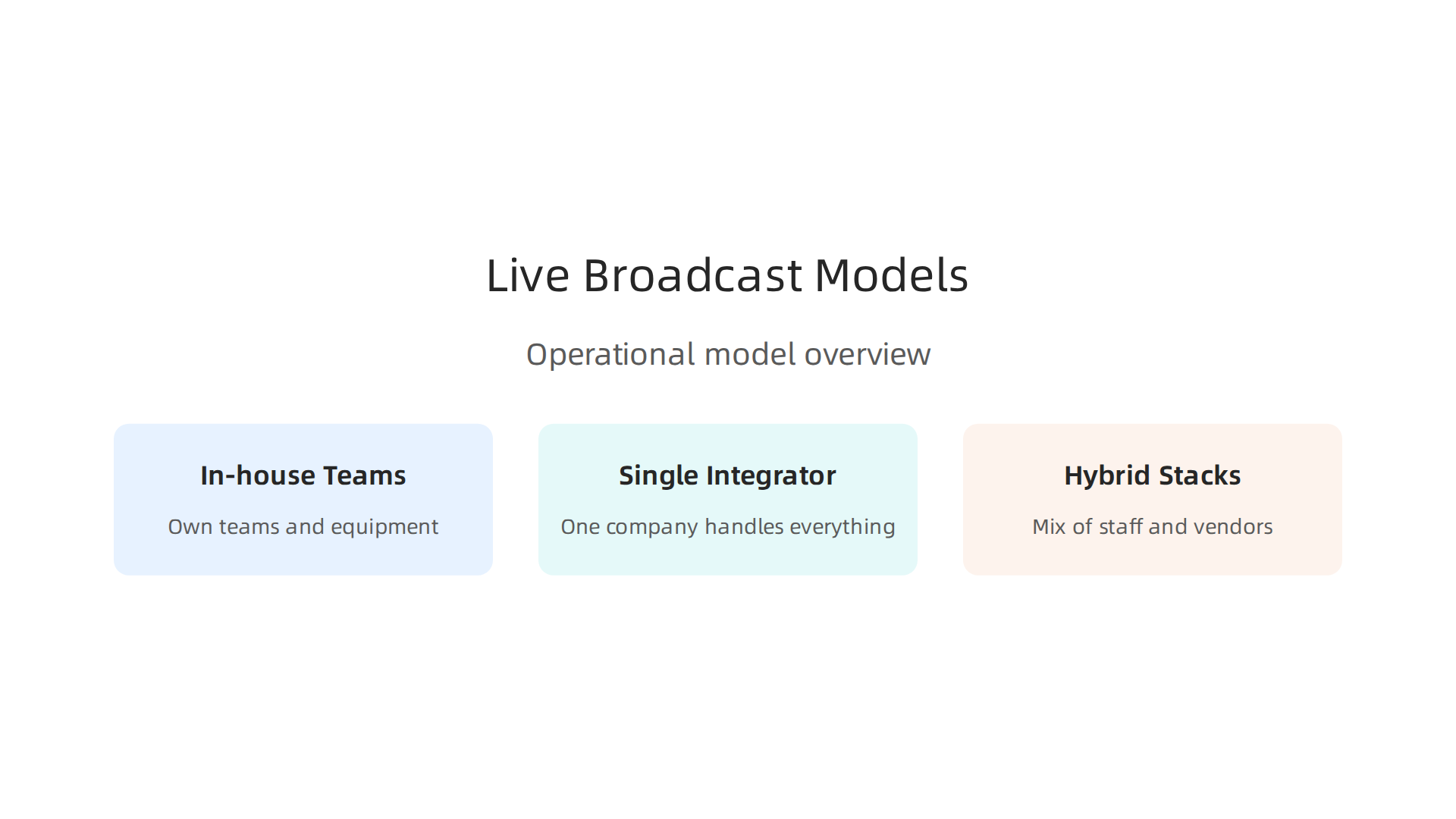
Common ways to produce a live broadcast
- In-house Teams: Some bigger schools or networks have their own full teams and gear. They do everything themselves. This gives them full control, but it can be very costly and needs a lot of experts.
- Single Integrator Partners: This is when one big company handles almost everything for the broadcast. They bring the cameras, the crew, and all the technical magic. This can make things simpler because you only deal with one group. For those seeking a complete solution from start to finish, Trans Group offers a single-window service for all aspects of sports and media.
- Hybrid Vendor Stacks: Many places use a mix. They might have some of their own staff and equipment, but then they hire different companies for specific parts, like special camera angles or graphics. This gives some flexibility but can sometimes lead to more confusion with many different teams working together.
Today, there’s a big move to make production workflows simpler and cheaper. Broadcasters are bringing together different parts of the production into one place. This helps avoid doing the same work twice and cuts down on costs, especially with new tools like AI and cloud-based systems Broadcast in 2026: 3 Key Trends Reshaping the Industry.
For example, using AI can cut down costs by up to 73% for things like making commentary in many languages Real-Time AI Agents for Live Sports Broadcasting.
Why a single partner can help
Working with one full-service partner, like TPT Global, can really help when producing a game.
- Less Complex: Instead of talking to many different vendors (one for cameras, one for sound, one for graphics), you talk to just one. This makes planning and fixing problems much easier.
- Fewer Handoffs: When different teams pass tasks back and forth, things can get lost or delayed. A single partner means fewer times the ball is dropped.
- Better Quality: When one team is in charge of everything, they can make sure all parts of the broadcast work together smoothly, giving fans a better experience.
- Lower Costs: Centralizing production can save money. Instead of paying many different companies, you get one overall price, and they can often find ways to be more efficient. New "cloud workflows" also help lower costs and make things more efficient by connecting events to infrastructure in the cloud instead of moving heavy equipment to every game Cloud Workflows Are Redefining Live Sports Production.
These changes are important for how we see big events, like how FIFA plans its broadcast technology blueprint for the future, showing how one setup can handle many different needs. You can learn more about making this whole process easier with a unified approach by checking out how to simplify your live sports production with a unified end-to-end solution.
Getting ready for game day: The operational playbook
Every successful livetv sports broadcast needs a solid plan. This plan is often called an "operational playbook."
- Pre-game Planning: This involves planning every little detail before the game. What cameras will be where? Who is calling the game? What graphics will be ready?
- Crew Rosters: Knowing exactly who does what. Each person has a role, from camera operators to sound mixers to replay experts.
- Remote Workflows: More and more, parts of the production happen away from the actual stadium. Experts might be in a studio far away, making replays or adding graphics. This is called "remote production" and it’s become a new normal for live football Football Summit 2026: The New Normal in Live Sports. It helps save travel costs and allows for more flexible teams.
- Contingency Planning: What happens if it rains? What if equipment breaks? Having backup plans for everything is key to making sure the broadcast never stops.
TPT Global specializes in setting up these smooth production workflows. They make sure that the excitement of Georgia Tech football and other total sports tv events is captured and shared perfectly, no matter the challenges. They use the latest technology and smart planning to deliver broadcasts that keep fans watching.
To see examples of how expert production quality can make a difference for global sports events, you can Explore Our Broadcast Services.
Making sure a high-quality livestream for Georgia Tech football or any college game gets to your screen means thinking about money.

After all the planning and workflows are in place, the costs of making these total sports tv broadcasts add up. It’s like planning a big trip: you need to know how much everything will cost.
What are the main costs for a live sports broadcast?
Bringing a college football game to fans involves several big spending areas.
- People who do the work: You need lots of skilled people. These include camera operators, sound engineers, directors, graphic designers, and replay specialists. These are all real careers in sports. Paying these teams is a major part of the cost.
- Rentals for equipment: Not every school owns all the fancy cameras, special microphones, and huge screens needed. Many rent this gear for each game or season.
- Sending the signal: Once the game is filmed, the video and sound have to travel from the stadium to your TV or phone. This "transmission" uses special internet connections or satellites, and that costs money too.
- Rights fees: This is often the biggest cost. It’s the money paid to the school or league to get permission to show the game. For example, big deals are made for college sports television contracts, where billions of dollars are paid over many years for these rights Current College Sports Television Contracts.

Football programs alone can have billions in operating expenses across the country The Billion-Dollar World of College Football Budgeting.
- Stadium help: Things like special lighting, extra power, and security at the stadium for the broadcast crew also add to the overall cost.
Top-tier college football programs, like those in the Associated Press’ pre-season top-25 poll, often have very large budgets for their football operations TV Money Drives Budgets of Top-25 College Football Programs. For instance, some universities can have football operating budgets over $100 million for a single fiscal year FY24 FOOTBALL operating budgets.
How schools plan their spending
Schools and broadcasters have to be very smart with their money. They might budget for a whole season of games, or they might plan costs game by game. For a team like Utah football, planning involves looking at every game on the schedule.
- Saving money wisely: It’s important to cut costs without making the broadcast look bad. This could mean using remote teams (as we talked about earlier) or finding ways to share resources.
- Detailed budgets: The NCAA even provides budget templates to help plan for championship games, showing all the small details that need to be accounted for BUDGET TEMPLATE OUTLINE Championship: Division II Football. Learning how to make good broadcast budgets is key for anyone in the business. You can dive deeper into optimizing college football broadcasting for sports enterprises to understand better how these plans are made.
Getting help and finding extra money
Dealing with these big costs means schools and broadcast companies often look for smart solutions.
- Outsourcing trade-offs: Sometimes, it’s cheaper and easier to hire a company like TPT Global to handle all or most of the broadcast work. This saves them from buying expensive equipment or hiring full-time staff for every single job.
- Sharing costs: College conferences sometimes work together. They might share equipment or production teams across different schools, lowering costs for everyone.
- Sponsorships: Companies often pay to have their names or products shown during a game. This "sponsorship money" can help cover some of the broadcasting costs.
Managing the money side of livetv sports is just as important as the cameras and microphones. It helps ensure that fans can keep watching their favorite teams, like Georgia Tech football, with the best quality.
If you are a large sports organization looking for expert help to manage the costs and complexities of producing and distributing your live sports content, we’re here to help.
Request a Broadcast Consultation
After looking at the costs, we must think about how the game actually gets from the stadium to your screen. This involves a lot of smart planning and special gear. Getting a flawless live broadcast, whether it’s for georgia tech football or another college team, means having the right technical setup, from the camera spots to the very moment the picture shows up on your device.
Technical infrastructure: venues, broadcast chains, and latency mitigation
Making a live sports broadcast happen involves careful planning at the stadium and making sure the signal travels perfectly.

It’s not just about pointing cameras; it’s about setting up a whole system that works without a hitch.
Setting up at the stadium
Every stadium needs special preparation for a live broadcast. This includes finding the best spots for cameras, like high up for wide shots or close to the field for action shots. For example, for a game with utah football, camera placements are crucial to capture every play.
Beyond cameras, there are lots of wires. Special fiber optic cables help send video and audio signals quickly. Also, thinking about power and how radio signals (RF) will work is very important so that wireless microphones and other devices don’t have problems. Even the press area needs to be planned so that reporters and commentators can do their jobs smoothly.
The journey of the live signal
Once the game is being filmed, the video and sound signals begin a long trip. This is called the "end-to-end signal chain."

- Capture and Encoding: First, cameras and microphones capture everything. Then, these raw signals are turned into digital information. This process is called encoding. Modern ways use special mixing equipment that can handle many video angles at once without needing a lot of local machines How Live Broadcasting Workflows Handled the 2026 U.S. World Cup.
- Uplink and Backhaul: The encoded signal then leaves the stadium. It might go through a satellite dish (uplink) or high-speed internet cables (backhaul) to a main broadcast center. This part of the journey is key for livetv sports events.
- Delivery to Viewers: From the broadcast center, the signal is sent out to everyone. This often uses special networks called Content Delivery Networks (CDNs). CDNs have servers all over the world, which means the signal can travel from a server close to you, making it faster. This whole process, from the field to your screen, involves many steps The Unseen Workflow of Live Sports Broadcast (Case of FIFA 2026). Many broadcasters now use cloud-based systems for managing and delivering live sports, connecting events to infrastructure in the cloud instead of moving heavy equipment to each game Cloud Workflows Are Redefining Live Sports Production.
Making it faster: reducing latency
One of the biggest challenges in live sports is "latency." This is the delay between something happening in the game and you seeing it on your screen. If the delay is too long, you might see a spoiler on social media before you see the play!
For standard TV, the delay might be about 3-7 seconds. But for streaming, it used to be much longer, sometimes 20-60 seconds Why low latency matters in sports streaming (and how to achieve it). Today, people expect much faster speeds. For live sports, a delay under 5 seconds is generally seen as good. For things like betting, even less than one second is needed How Sub-800ms Latency Transforms Live Betting & Fan Engagement.
To make broadcasts faster, special tools and methods are used:
- Better Protocols: Newer streaming methods like Low-Latency HLS (LL-HLS) and Low-Latency DASH (LL-DASH) can cut delays down to 2-5 seconds or even less Low-Latency Live Streaming: Sub-3-Second Guide 2026.
- Edge Encoding: Instead of sending all the raw video data to a far-away center, some processing happens closer to the stadium ("at the edge"). This saves time.
- Smart CDN Choices: Picking a CDN that has many servers close to viewers helps deliver the signal faster.
- Quality of Service (QoS): This means making sure the internet connection gives priority to the video stream, so it doesn’t get slowed down by other internet traffic.
By handling these technical parts well, broadcast companies make sure fans can watch total sports tv with the best quality and least delay possible in 2026. This means you won’t miss a beat of your favorite team’s action.
We understand these complex technical needs. Explore Our Broadcast Services to see how we help deliver top-notch live sports experiences. If you have immediate questions about setting up your next broadcast, we’re here to help. Chat now on WhatsApp.
Making sure a live sports broadcast runs smoothly is only half the battle. Once the game gets to your screen, the next big steps are about how to make money from it and keep fans excited. This means thinking about ads, sponsorships, and ways to connect with viewers, whether they are watching total sports tv on a big screen or catching highlights on their phone.
Monetization, sponsorship integration, and fan engagement across platforms
Live sports broadcasting is a big business. It brings together teams, fans, and companies that want to reach those fans. Broadcasters use different ways to make money and keep everyone happy.
Ways to make money from live sports
There are many ways for broadcasters to earn money from games, which helps support the entire sports world, including teams like georgia tech football and others.
- Ads and Commercials: Just like regular TV, ads play before, during, and after games. Digital ads also show up for people watching online. Companies pay good money to get their message in front of a lot of sports fans.
- Sponsorship Deals: Big companies pay to have their names or logos seen during a broadcast. This can be on scoreboards, jerseys, or even special segments. For college sports, multimedia rights deals are a huge source of income, with football-related exposure making up a big part of that value Negotiating College Sports Multimedia Rights Deals.
- Pay-per-view and Subscriptions: Many fans pay a monthly fee for streaming services or special channels to watch their favorite games. Some big events are even sold as "pay-per-view," meaning you pay just for that one game. By 2026, about 20-30% of games are expected to be shown only on streaming platforms College Sports Media Rights Deep Dive.
- Conference Revenue Sharing: For college sports, schools often give their broadcast rights to their conference. The conference then sells these rights as a package. A huge deal, like the College Football Playoff’s $1.3 billion-a-year agreement starting in 2026-2027, sends a lot of money to conferences like the Big Ten and SEC THE GROWING COLLEGE SPORTS FUNDING GAP 1. In 2025, a new system also started, allowing Division I schools to share up to 22% of certain revenues with athletes What College Athletes Need to Know About the New Model. However, an act in 2026 makes sure that local fans can still watch football and basketball games for free in their area Protect College Sports Act Reshapes NIL and Athlete Rights.
Keeping fans excited across all screens
It’s not enough to just show the game. Broadcasters want fans to feel truly connected.
- Second-Screen Apps: Many fans watch games on TV while using an app on their phone or tablet. These "second-screen" apps give live stats, replays, polls, and ways to chat with other fans. This boosts engagement for games like utah football.
- Social Media Highlights: Almost immediately after a big play, short video clips are shared on social media. This keeps fans who might be away from their screens updated and draws them back to the live action.
- Personalized Content: Broadcasters are getting smarter about what each fan likes. They can use data to show you highlights of your favorite player or team, making your livetv sports experience feel special. Learn more about how to engage fans through personalized content by checking out our guide on how to Master regional fan engagement for global sports broadcast success.
How to know if it’s working: measuring success
To prove value to sponsors and the teams, broadcasters need to measure how well they are doing. This includes:
- Viewership Numbers: How many people are watching? This is still a key measure.
- Engagement Rates: How long do people watch? Do they use second-screen apps? Do they share content on social media?
- Sponsor Impact: Are sponsors getting their money’s worth? This means checking if people remember their brands after seeing ads during a game.
By carefully tracking these numbers, broadcasters can show that they are delivering a strong audience and a good return for their partners.
We help global sports federations and major sports leagues achieve these goals by providing innovative production and distribution solutions. If you want to see how we’ve helped others, you can Watch Our Latest Broadcast Work. We use state-of-the-art equipment and a team of experts to manage all parts of broadcasting, ensuring high-quality and smooth delivery across many platforms. We can help you navigate these complex areas. Discover more about our services and Why Choose TPT Global.
As broadcasters aim to give fans a top-notch experience and help businesses thrive, they are constantly embracing new technologies. In 2026, exciting advancements in cloud computing, artificial intelligence (AI), and 5G networks are changing how we produce and deliver livetv sports content. These tools are helping to make broadcasts smoother, more creative, and available to more people than ever before.
Cloud-native production: making broadcasting flexible
Imagine making a live sports broadcast not from one big control room, but using tools on the internet. That’s what cloud-native production is all about. Instead of heavy, expensive equipment, broadcasters use software that runs in the cloud. This means different parts of the production team can work from anywhere, whether they are in the stadium or across the world. For big events like the 2026 Winter Olympics, over half the coverage is already being delivered this way, showing how powerful and reliable cloud systems are becoming Behind the Scenes of Broadcasting the 2026 Winter Olympics.
Using the cloud also lets broadcasters grow quickly. If a big game like a georgia tech football match needs more cameras or special graphics, the cloud can quickly provide the resources without needing to buy new machines. This makes producing total sports tv much more efficient and reduces costs, too. For more insights on this, you can learn how cloud workflows are Cloud Workflows Are Redefining Live Sports Production.
AI in broadcasting: smarter content, faster
Artificial Intelligence is no longer just a fancy idea; it’s a real helper in live sports broadcasting. By 2026, AI tools have moved from being experimental to truly useful. AI can quickly:
- Generate highlights: AI can watch a game and automatically pick out the most exciting moments, like a touchdown in a utah football game, and create short video clips right away. This makes sure fans get to see important plays quickly on social media.
- Create metadata: This means tagging videos with details like which player scored, the type of play, or when it happened. AI does this much faster than a human, making it easy to find old clips or make new highlight reels 2026 Sports Media Tech Trends.
- Help with commentary: Some AI tools can even assist commentators by giving them real-time stats and facts about players or teams, making the live broadcast even more interesting Real-Time AI Agents for Live Sports Broadcasting.
This use of AI speeds up many parts of making a broadcast, helping teams streamline global live sports production for major rights holders and deliver content faster than ever.
5G networks and remote production: bringing the game closer
Imagine a camera person at a game sending video back to the main studio with almost no delay, using just a super-fast wireless connection. That’s the power of 5G. This new network technology is making remote production much easier and better. Instead of needing big trucks and lots of people at every game site, a smaller crew can be at the stadium, with most of the production happening back at a central office.
This means more games can be covered, even smaller regional events, without a huge setup cost. Private 5G networks are especially helpful for this, allowing cameras and production equipment to send high-quality video reliably and quickly Q&A: Verizon CTO Josh Arensberg Talks Revolutionizing Live Sports Streaming via Private 5G Networks. This shift opens up new careers in sports for people who can work with these advanced remote systems.
A roadmap for future broadcasting
Adopting these new technologies can seem like a big task. For broadcasters, it usually means:
- Pilot Projects: Trying out cloud, AI, or 5G in a small way first, perhaps for a few regional games or specific parts of production.
- Vendor Evaluation: Working with companies that specialize in these new tools to find the best fit.
- Training Teams: Making sure the people who work on broadcasts know how to use the new systems. This is an important step to help broadcast teams optimize college football broadcasting for sports enterprises and other events.
TPT Global is at the forefront of these changes, offering comprehensive services that help sports federations and leagues navigate the complexities of modern broadcasting. We provide advanced tools and expert teams to ensure high-quality production and smooth delivery using these cutting-edge technologies.
If you’re looking to understand how these advanced broadcast technologies can transform your sports coverage, we can help. Explore Our Broadcast Services to see how we deliver world-class solutions.
Summary
This article uses Georgia Tech football as a lens to explain why collegiate broadcasting is now strategically and technically complex. It walks through media‑rights structures and distribution channels, how to reach students, alumni, local and international fans, and which platforms matter. The piece compares production models—insourced teams, single integrators and hybrid stacks—showing how centralizing workflows and using cloud/AI can cut costs and improve quality. It breaks down the main budget items, offers practical cost‑saving approaches like remote production and revenue sources such as ads and sponsorships, and explains the end‑to‑end signal chain with a focus on latency mitigation. Finally, it outlines a technology roadmap (cloud, AI, 5G) and operational checklists to help schools and broadcasters deliver fast, reliable, monetized live sports to modern audiences.